
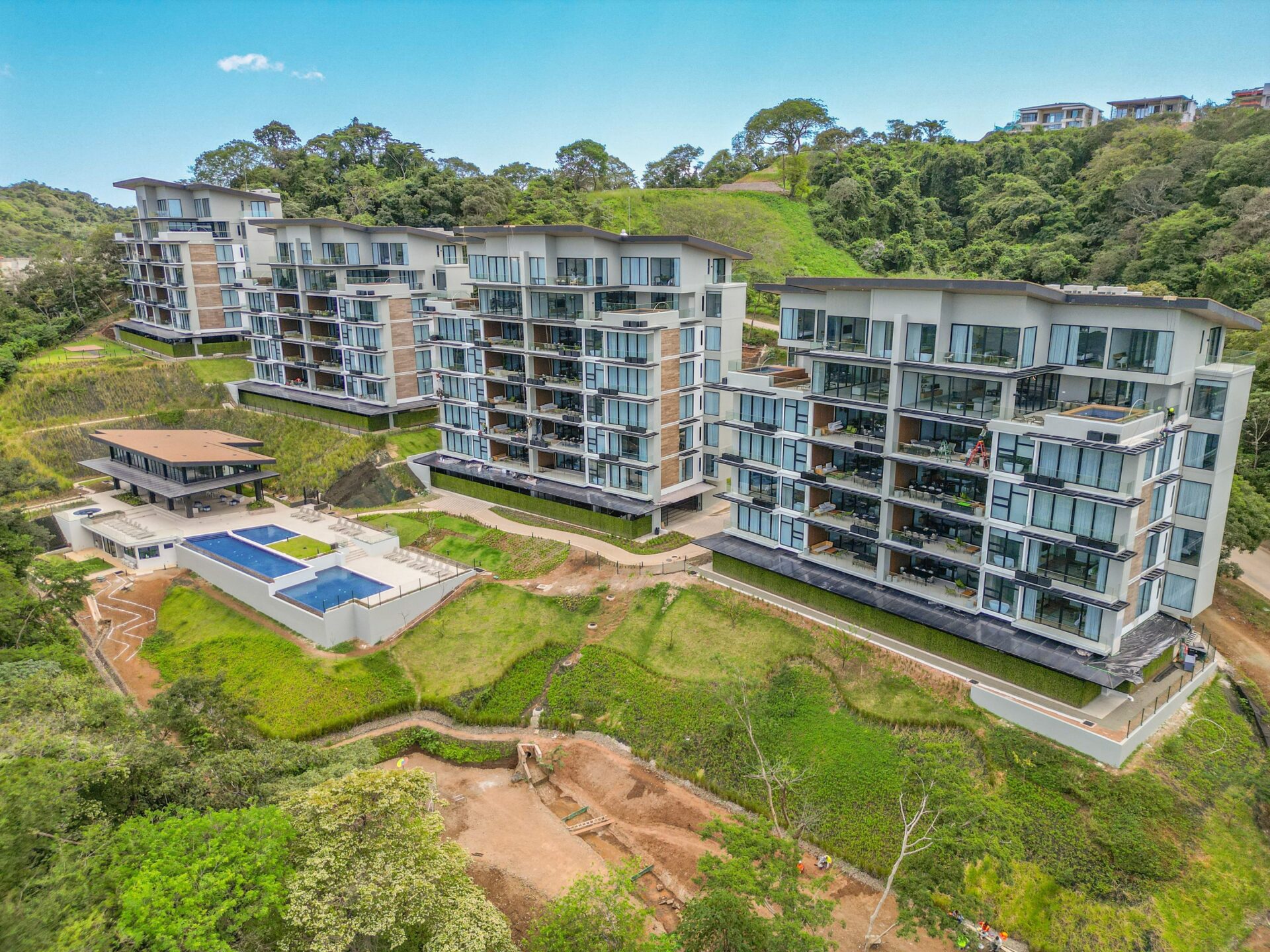
Buying property in Costa Rica is a meaningful step toward a lifestyle defined by balance, natural beauty, and long term value. From beachfront communities to inland towns, the country offers diverse ownership opportunities for international buyers. Costa Rica allows foreigners to own property with the same rights as locals, creating confidence for families, retirees, and investors alike. This guide provides a clear, factual overview of how the process works, what to expect financially, and how to align your purchase with your lifestyle or investment goals.
Table of Contents
- Why Costa Rica Appeals to Foreign Buyers
- Understanding the Costa Rica Real Estate Market
- Legal Framework for Buying Property in Costa Rica
- Step by Step Guide to Buying Property
- Living and Investing in Costa Rica as a Property Owner
1. Why Costa Rica Appeals to Foreign Buyers

Costa Rica continues to attract international buyers seeking stability, quality of life, and long term security. Several core factors contribute to its growing appeal among investors, retirees, and lifestyle driven purchasers from North America and Europe.
1. Political stability and ownership rights
- Costa Rica has a long standing democratic system.
- Foreigners can own titled property in their personal name or through a corporation.
- Property rights for foreigners are equal to those of Costa Rican citizens.
2. Lifestyle and environment
- The country offers beaches, mountains, rainforests, and walkable coastal towns.
- The pace of life supports family living, wellness, and outdoor activities.
- The Pura Vida culture emphasizes balance, respect, and community.
3. Healthcare and daily living
- Costa Rica provides both public and private healthcare systems.
- Private healthcare is widely used by expats and offers high quality care.
- Cost of living varies by region, allowing flexibility based on lifestyle preferences
2. Understanding the Costa Rica Real Estate Market
The Costa Rica real estate market is diverse and regionally driven. Understanding how it functions helps buyers make informed decisions.
Unlike many North American markets, Costa Rica does not operate under a centralized multiple listing system. Properties are often shared among broker networks, and it is common for listings to appear with different agencies at varying prices. Working with a knowledgeable local advisor is essential to navigate this structure and ensure accurate information.
Market activity is heavily influenced by location. Coastal destinations such as Tamarindo and Flamingo in Guanacaste tend to be driven by international buyers and vacation rental demand, while areas around Arenal Lake attract retirees and lifestyle investors seeking natural surroundings. The Greater Metropolitan Area near San Jose is supported more by local demand and long term residential growth.
1. Market structure and pricing
- Property values vary significantly by location and zoning.
- Coastal and lifestyle driven markets are influenced by tourism and expat demand.
- Inland areas often offer larger land parcels at lower price points.
2. Common property types
- Condominiums in coastal and resort style communities.
- Single family homes in beach towns and residential neighborhoods.
- Land parcels suitable for residential or long term development.
3. What influences property value
- Proximity to the beach or town center.
- Access to infrastructure such as roads and utilities.
- Legal status of the property, including titled versus concession land.
Summary of common property options
- Condos offer ease of ownership and shared maintenance.
- Homes provide privacy and long term residential value.
- Land appeals to buyers planning future construction.
3. Legal Framework for Buying Property in Costa Rica

Costa Rica offers a transparent legal structure for property ownership, but due diligence is essential.
Foreign buyers have the same ownership rights as citizens for titled property and may purchase in personal name or through a corporation for asset protection and estate planning. Ownership records, liens, and encumbrances are tracked through the National Registry, where a qualified attorney performs a title search before closing.
Buyers must understand the difference between titled property and concession property within the Maritime Zone. Beachfront land within 200 meters of the high tide line may be subject to concession rules rather than full ownership, requiring municipal approval.
Transactions are completed before a Costa Rican notary public, who formalizes and registers the transfer. Closing costs typically range from 2.5 percent to 4 percent of the purchase price, and annual property tax remains low at approximately 0.25 percent of registered value.
With proper legal guidance and thorough verification of zoning, utilities, and permits, the buying process is secure and well established.
1. Titled property versus concession property
- Titled property provides full ownership rights.
- Concession property is typically located in the Maritime Zone.
- Concession land has usage restrictions and government oversight.
2. Role of legal professionals
- A Costa Rican attorney conducts title searches and legal verification.
- The notary public prepares and registers the transfer deed.
- Legal review confirms zoning, ownership history, and liens.
3. Key legal considerations
- Confirm property boundaries and registered size.
- Verify zoning and permitted use.
- Ensure utilities and access are legally established.
Checklist before proceeding
- Title search completed
- Zoning confirmed
- No liens or encumbrances
- Survey matches registry records
4. Step by Step Guide to Buying Property
Buying property in Costa Rica follows a clear process when guided by experienced professionals.
1. Define goals and budget
- Determine lifestyle or investment priorities.
- Establish a realistic purchase budget including closing costs.
- Decide whether the property will be personal use or rental.
2. Work with a qualified real estate advisor
- Choose an advisor experienced with foreign buyers.
- Local expertise helps identify suitable areas and properties.
- Advisors coordinate with attorneys and inspectors.
3. Conduct due diligence
- Legal review of title and zoning.
- Property inspection when applicable.
- Review of condominium rules and fees if relevant.
4. Purchase agreement and deposit
- Terms are outlined in a formal purchase agreement.
- Deposit is typically held in escrow.
- Timelines and conditions are clearly defined.
5. Closing and registration
- Notary public prepares the transfer deed.
- Funds are transferred and taxes paid.
- Property is registered in the buyer’s name.
5. Living and Investing in Costa Rica as a Property Owner

Property ownership in Costa Rica supports both lifestyle enjoyment and long term planning.
Many owners choose to divide their time between Costa Rica and their home country, using the property for personal stays while generating income through vacation rentals during peak tourism seasons. Strong demand in coastal markets such as Tamarindo and Flamingo supports consistent rental performance, particularly during high season months.
1. Daily life and integration
- Many buyers choose walkable beach towns or residential communities.
- Learning basic Spanish supports smoother integration.
- Community involvement enhances the ownership experience.
2. Rental and investment considerations
- Short term and long term rentals are common in lifestyle markets.
- Rental demand varies by location and season.
- Professional property management is widely available.
Pros and considerations of rental ownership
Pros
- Strong demand in established markets
- Long term appreciation potential
- Lifestyle flexibility
Considerations
- Maintenance and management costs
- Seasonal income variation
- Regulatory compliance
3. Ongoing costs and planning
- Annual property tax is modest compared to many countries.
- Insurance is recommended for natural events.
- Estate planning ensures assets are protected across jurisdictions.