
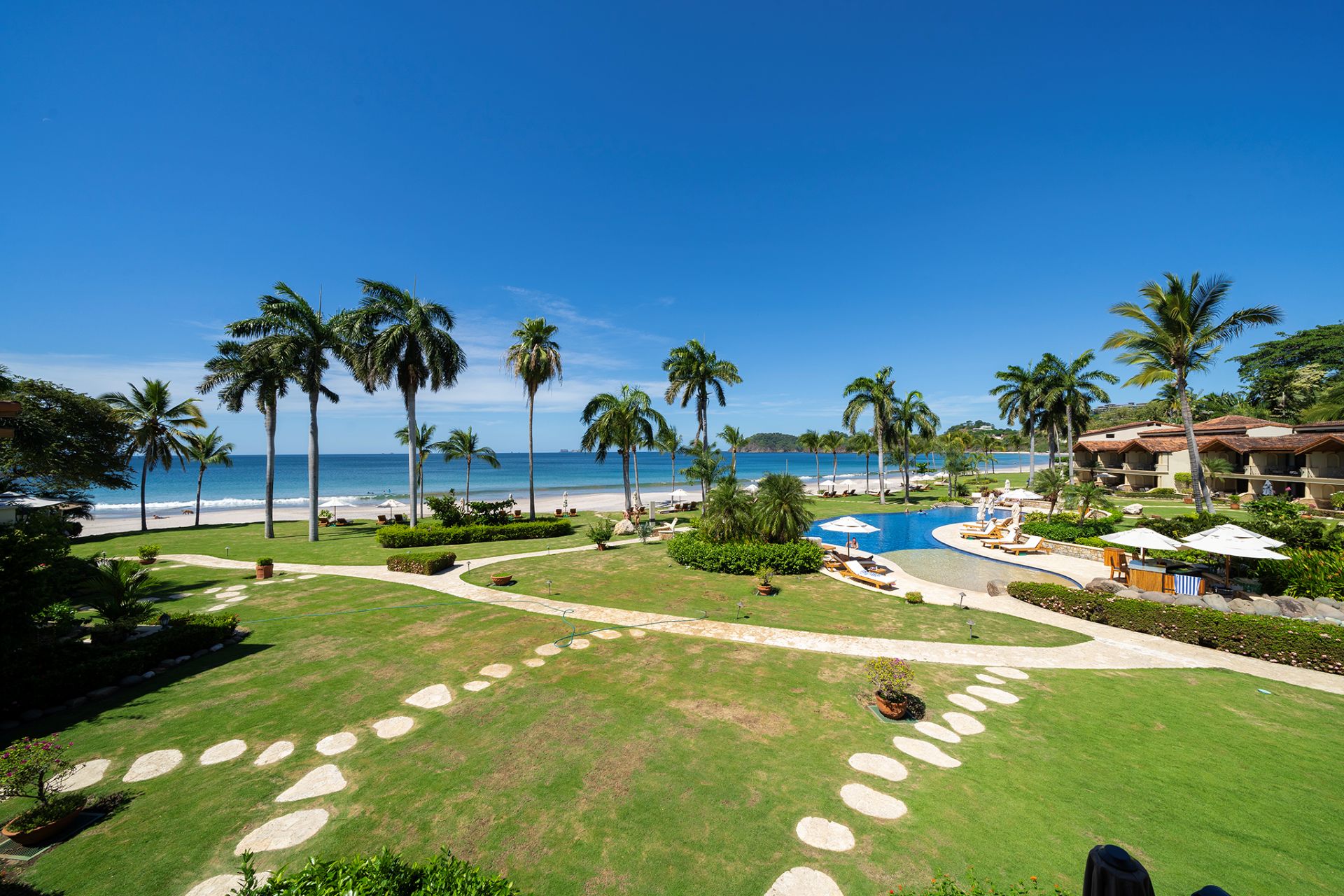
Costa Rica offers more than paradise — it offers a real opportunity for expats to invest in property with confidence. For many, the idea of owning a beachfront condo, a mountain retreat, or a rental investment blends lifestyle and financial sense. This guide is crafted to give expats a clear, factual roadmap — from understanding property laws to navigating the buying process — so you can make informed decisions with calm confidence and expertise.
Table of Contents
- Why Costa Rica Appeals to Expats
- What You Should Know About the Real Estate Market
- How Expats Can Buy Property: Legal & Practical Steps
- Costs, Fees, and Due Diligence: What to Budget For
- Lifestyle, Investment Potential, and Long-Term Considerations
Why Costa Rica Appeals to Expats

- Stability and Legal Protection
Foreign buyers enjoy full ownership rights for titled land, on par with locals.
No residency or special visa is required to own property. - Natural Beauty and Climate
From beaches to mountains, Costa Rica’s natural landscapes draw those looking for relaxed, nature-infused living. The warm, tropical climate and varied geography support a variety of lifestyles — from coastal living to rainforest retreats. - Quality of Life and Accessible Costs
Compared to many North American or European destinations, living costs and property taxes are modest. Many expats choose Costa Rica for retirement or rental income potential. - Flexibility and Lifestyle Choices
Whether you want a modern city apartment, a coastal condo, or a rustic countryside home — Costa Rica offers a broad spectrum of options. Popular regions for foreign buyers include coastal zones and provinces like Guanacaste and the Central Valley.
These factors combine to make Costa Rica not only a dream destination but also a realistic and attractive place to live, invest, or retire.
What You Should Know About the Real Estate Market

- Diverse Property Types
Expats can choose from condos, single-family homes, rural land, commercial properties, and more. As long as the land is titled (fee-simple), foreign buyers have equal rights. - Maritime Zone Restrictions
Coastal beachfront and concession-zone properties are treated differently. The first 50 meters from the high tide line is public land; the next 150 meters are concession areas. Foreigners typically cannot hold full ownership in those concessions often limited to 49%, usually via a corporation or with Costa Rican partners.
Inland and non-coastal titled properties remain fully available for foreign ownership. - Market Drivers: Demand and Tourism
Tourism and expatriate interest continue to influence demand especially in coastal regions, popular towns, and areas known for natural beauty or relaxed lifestyle. This rising demand often translates to good rental yields and potential property value appreciation. - Popular Regions for Buyers
Many foreign buyers focus on regions like Guanacaste, the Central Pacific coast, and the Central Valley, balancing accessibility, amenities, and natural setting.
This variety gives expats the flexibility to align their purchase with personal goals whether to live, rent, or invest.
How Expats Can Buy Property: Legal & Practical Steps

Step-by-Step Buying Process
- Decide on Location and Property Type
Consider whether you prefer coastal, countryside, or urban living. Each region in Costa Rica offers distinct lifestyle and investment trade-offs. - Engage a Trusted Real Estate Agent
An experienced local agent helps identify suitable properties and offers insight into neighborhoods, infrastructure, and investment potential. - Visit Properties (When Possible)
If feasible, visiting in person is highly recommended. It helps assess the condition, surroundings, and access to services first-hand. - Hire a Qualified Attorney (Notary)
In Costa Rica, only a licensed attorney-notary can execute property transfers. They will handle legal checks, draft necessary documents, and manage the transfer process. - Conduct Due Diligence
This involves verifying the title at the Registro Nacional (National Registry) to ensure there are no liens or legal issues. It also means checking zoning, environmental regulations, concession-zone restrictions (if applicable) and a technical inspection if the property has any building on it. - Negotiate and Sign the Purchase Agreement
Often with a deposit held in escrow. If you do not speak Spanish, having certified translation and attending carefully to the Spanish “escritura pública” (deed) is essential. - Finalize Closing and Register Title
Pay required legal fees and taxes; the notary registers the title under your name at the National Registry. Once completed, you own the property legally.
Remote Purchase Is Possible
Foreign buyers do not need to be physically present. Many complete purchases using a power of attorney assigned to a trusted legal representative in Costa Rica.
Costs, Fees, and Due Diligence: What to Budget For

When planning a real estate purchase in Costa Rica, it is wise to budget not only for the price of the property but also for associated legal, administrative, and ongoing costs.
Common Closing Costs
Why Due Diligence Matters
- Ensures clear title and detects liens or encumbrances.
- Confirms zoning laws, land use type, legal access, water, utilities if building is planned.
- For coastal or concession-zone properties: ensures you understand restrictions on foreign ownership and permissible uses.
- Identify repairs, improvements needed and potential issues in the existing structures according to the current building code.
- Check the state of main electrical appliances if applicable.
Engaging a reputable attorney-notary and possibly an escrow service helps protect your investment and brings clarity and transparency.
Lifestyle, Investment Potential, and Long-Term Considerations
- Flexibility for Owners and Investors
Costa Rica welcomes foreign property owners without requiring residency.
For those considering becoming long-term residents, investing in real estate may support eligibility under certain residency programs. - Rental Income and Tourism-Driven Demand
Many owners leverage short-term rentals and vacation properties, especially in coastal or high-tourism areas. Demand from visitors can support attractive rental yields. - Affordability Compared with Many Western Markets
With modest property taxes and manageable closing costs, owning property in Costa Rica can represent good value — whether for living, retirement, or investment. - Risk Awareness and Smart Planning
Waterfront concessions have ownership limitations. Infrastructure, services, and access may vary depending on location — urban areas and developed zones often offer more amenities, but rural or remote properties may require due diligence regarding utilities, roads, and services. - Cultural and Regulatory Adjustment
Buying property in a foreign country demands legal oversight, careful understanding of local regulations, and respect for environmental and zoning laws. Working with experienced professionals helps ensure compliance and protects your long-term interests.
Final Thoughts
Investing in Costa Rica real estate can offer expats a unique blend of lifestyle, natural beauty, and long-term value. Ownership rights are protected, the legal framework is transparent for foreigners, and the variety of housing options makes it possible to match property type with personal needs or investment strategy.
That said, success depends on careful planning, due diligence, and the guidance of trusted professionals — agents, attorneys, notaries — familiar with Costa Rican law and market practices. If you approach the process with a clear plan, realistic expectations, and respect for local regulations, Costa Rica may well become your home or your investment haven.
Explore Guanacaste listings.
Frequently Asked Questions (FAQ)
Q: Can foreign buyers own property in Costa Rica just like locals?
A: Yes. For titled (fee-simple) properties outside maritime-concession zones, foreigners have the same property rights as Costa Rican citizens.
Q: Do I need residency or a special visa to buy property?
A: No. Foreigners may purchase property while on a tourist visa or from abroad. Residency or citizenship is not required.
Q: What restrictions apply to beachfront or coastal properties?
A: Coastal properties within the maritime zone (first 200 meters from the high tide line) often fall under concession rules. These typically limit foreign ownership (often around 49%), usually requiring a corporation or local partner.
Q: What costs should I expect when buying property?
A: Common fees at closing include a transfer tax (1.5%), registry and stamp fees (~0.5%), notary/legal fees (~1.25–2%), plus other administrative costs. Total closing costs typically range between 3.5% and 5% of the purchase price.
Q: Are there ongoing costs after purchase?
A: Yes. Annual property tax is modest, about 0.25% of the assessed value. Depending on the property, there may also be maintenance, municipal fees, HOA fees, or additional taxes for higher-value homes.