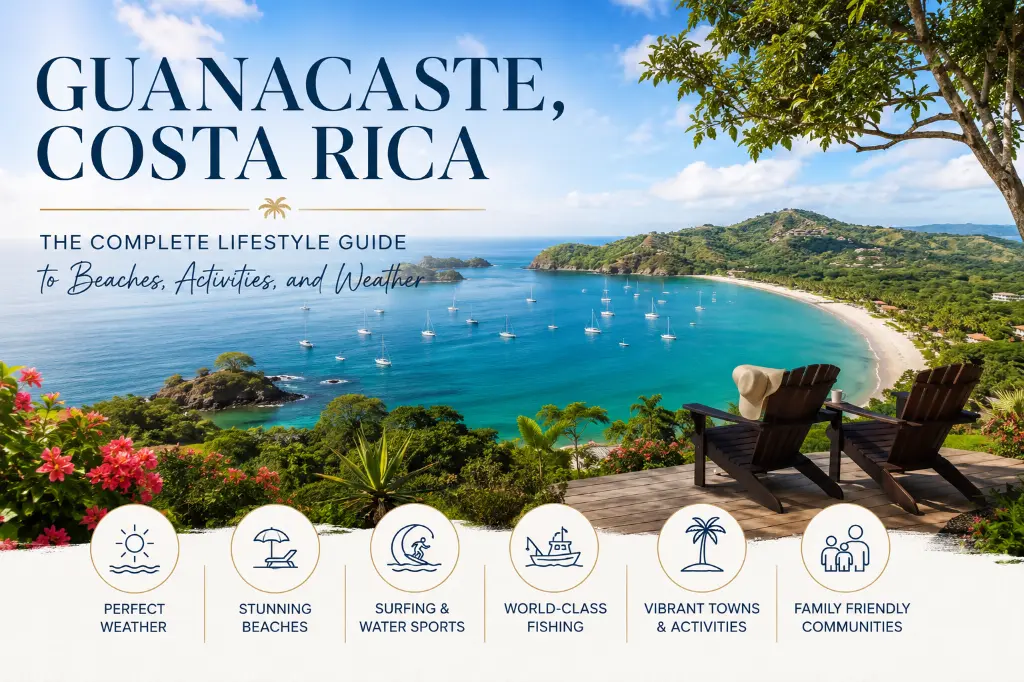
Guanacaste, Costa Rica: The Complete Lifestyle Guide to Beaches, Activities, and Weather
For people considering a property in Guanacaste, the lifestyle question is as important as the investment question. What is daily life actually like here? What are the best beaches? When is the weather perfect? What is there to do year-round? This guide answers all of it — not from a travel brochure perspective, but from the perspective of people who know what it’s like to live, work, and spend meaningful time in this part of Costa Rica.
Table of Contents
- Guanacaste Weather: The Dry Season and Green Season
- The Best Beaches in Guanacaste
- Surfing in Guanacaste
- Sport Fishing at Playa Flamingo
- Things to Do in Tamarindo
- Things to Do in Playa Flamingo
- Guanacaste for Families: Schools, Activities, and Community
- Frequently Asked Questions About Guanacaste Lifestyle
Guanacaste Weather: The Dry Season and Green Season
Guanacaste has one of the most enviable weather patterns of any tropical destination in the Americas — and it’s the primary reason this region attracts so many buyers and visitors.
The Dry Season: December through April
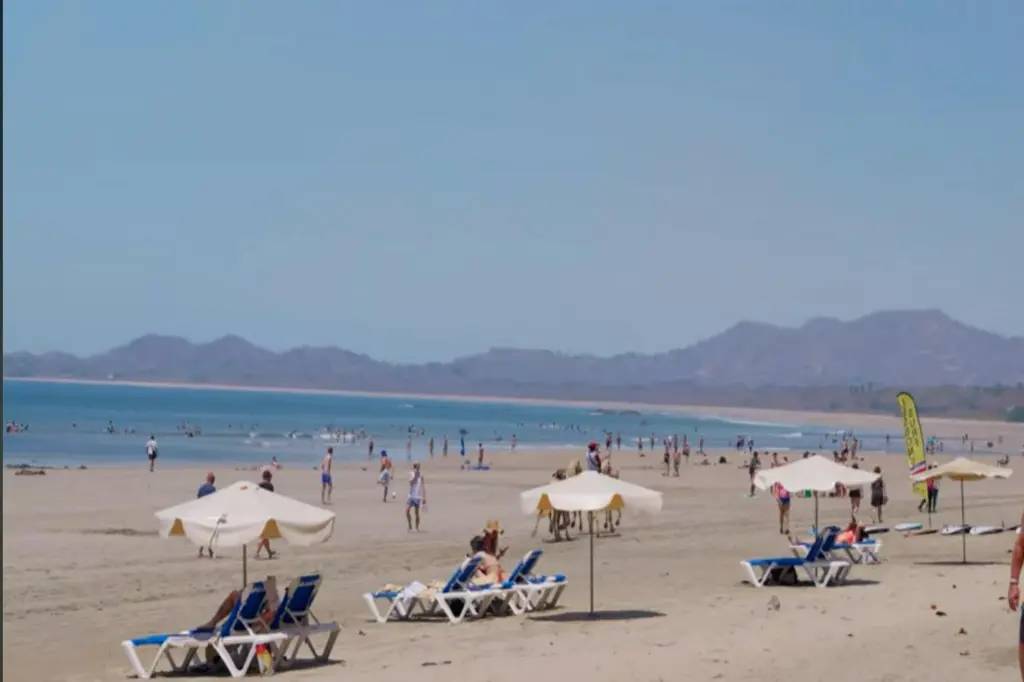
The dry season is what makes Guanacaste famous. For five consecutive months, the weather is near-perfect: no rain, low humidity, blue skies, consistent sunshine, and temperatures in the mid-80s°F (29–30°C). This is the peak tourist season, when flights fill up, rentals book out, and the restaurants and beach clubs run at full capacity.
The dry season also brings the famous Papagayo winds — strong, consistent offshore winds that typically blow from December through February. These winds keep the heat manageable even at the height of the season. They’re excellent for sailors and kitesurfers, less comfortable for casual beach days if you’re sensitive to wind.
The Green Season: May through November
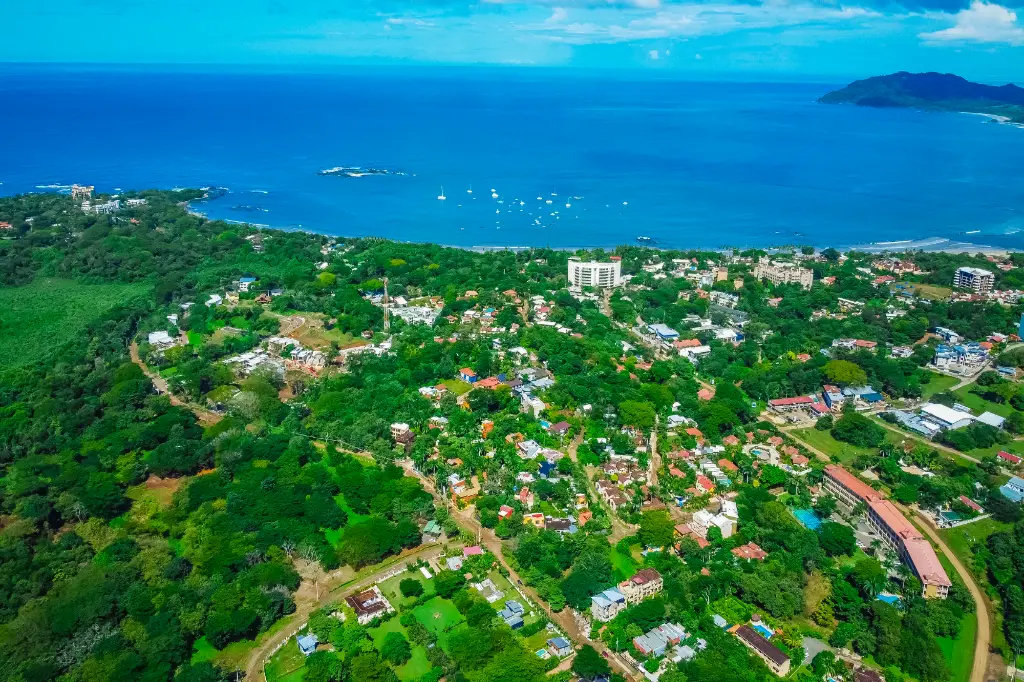
The green season is misunderstood by buyers who haven’t experienced it firsthand. This is not a six-month monsoon. The typical green season day in Guanacaste looks like this: clear, warm morning; some cloud buildup midday; an hour or two of afternoon rain; clear evening. The rains typically come in the afternoon and leave quickly.
The result is a landscape that transforms from the golden-brown of the dry season to an extraordinary deep green. Rivers fill, waterfalls appear, frogs emerge, and the dry forest comes alive. For buyers who care about biodiversity and natural beauty, the green season offers a different and genuinely beautiful version of Guanacaste.
September and October are the wettest months — this is when multi-day rain is more common and outdoor activities are more weather-dependent. Many experienced residents treat these two months as the window for travel or home renovations.
Why the green season is underrated for property buyers:
- Prices are lower for short-term rentals and often for property transactions
- The community is smaller and more local
- The landscape is at its most beautiful
- Heat is actually moderated by cloud cover and rain
Annual rainfall comparison: Guanacaste’s capital, Liberia, receives approximately 1,500mm of rain per year — roughly comparable to Seattle. By contrast, the Caribbean coast of Costa Rica receives 4,000–7,000mm annually. Guanacaste is one of the driest regions in the country.
The Best Beaches in Guanacaste
Guanacaste has more great beaches per kilometer of coastline than almost anywhere in the Americas. Here are the ones that matter most:
Playa Flamingo
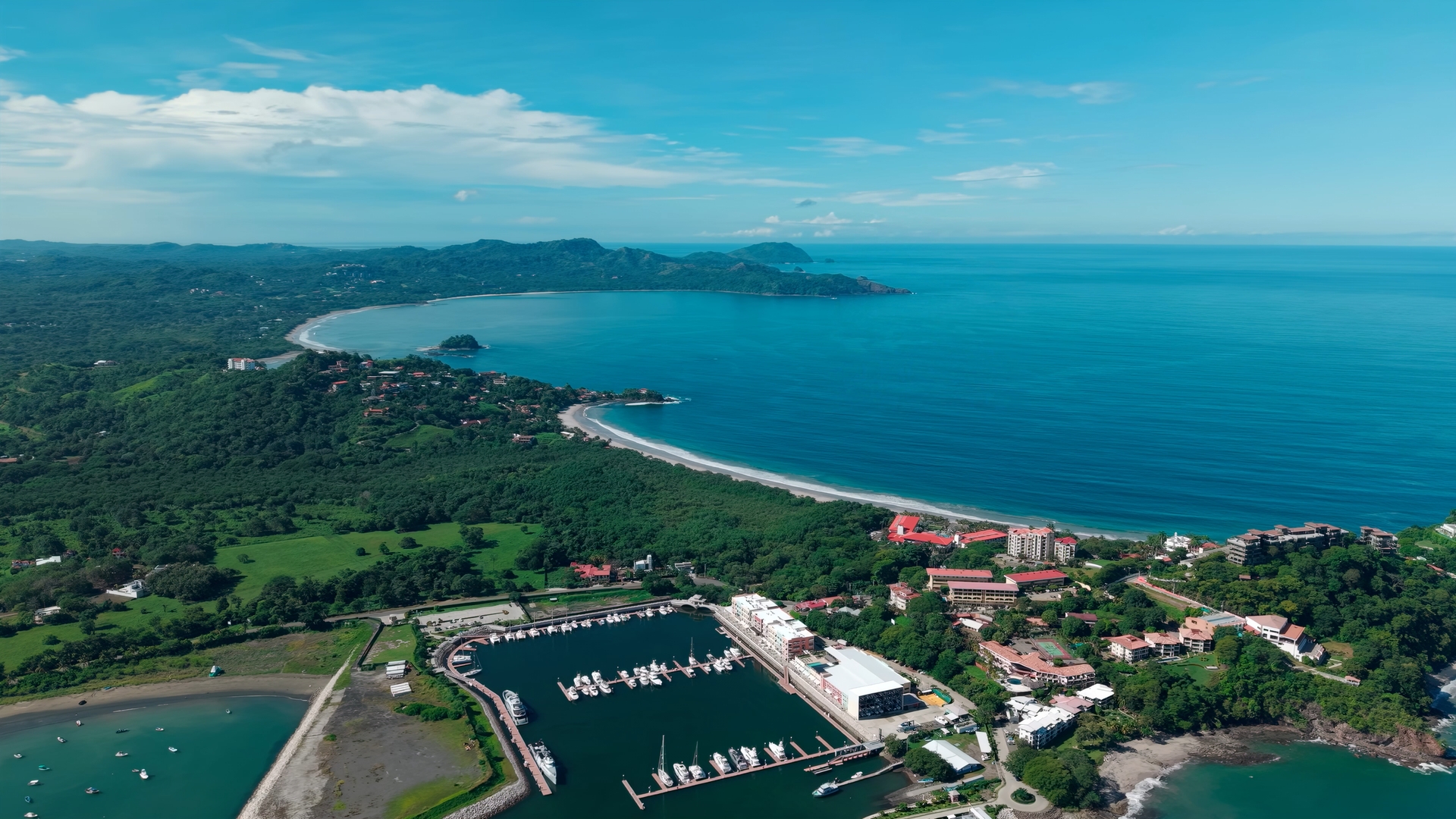
The flagship beach of the northern corridor. Playa Flamingo is a 1.5-kilometer stretch of white sand — genuinely white, which is rare on the Pacific coast — facing a protected bay that creates calm, swimmable conditions for most of the year. The new Flamingo Marina sits at the northern end of the bay, bringing restaurants, charter boats, and a waterfront energy that has transformed the area in recent years.
Flamingo is best for: families, swimmers, snorkelers, sport fishing departures, sunset dinners.
Playa Conchal
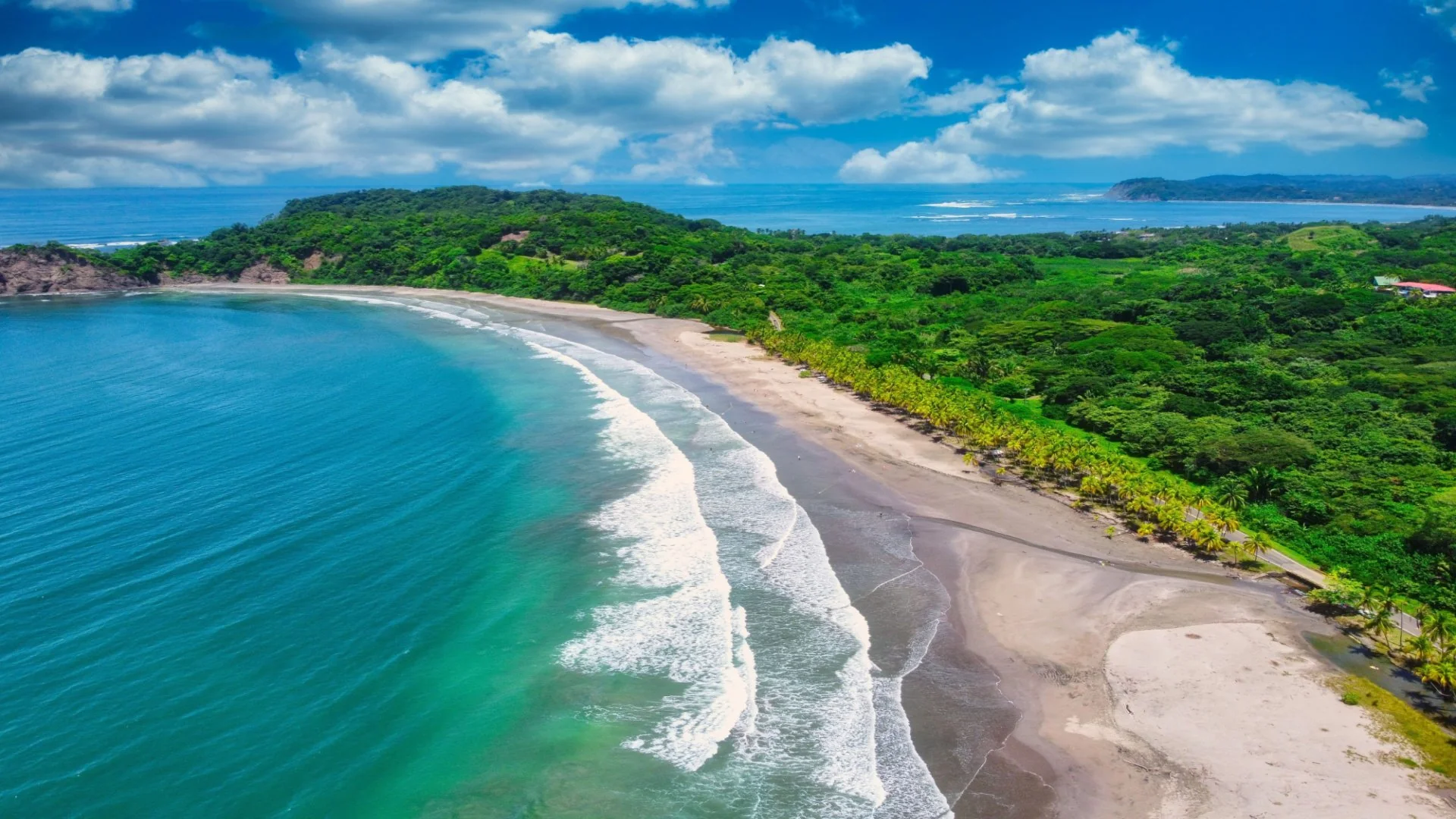
One of the most visually extraordinary beaches in Costa Rica. The sand at Conchal is made of crushed shells that give it a distinctive texture and color — ranging from cream to rose to pale blue-green in different light. The water is crystal-clear and generally calm. Access through Reserva Conchal is controlled (guests and owners), which keeps crowds manageable.
Conchal is best for: snorkeling, swimming, couples, resort lifestyle, photography.
Playa Tamarindo
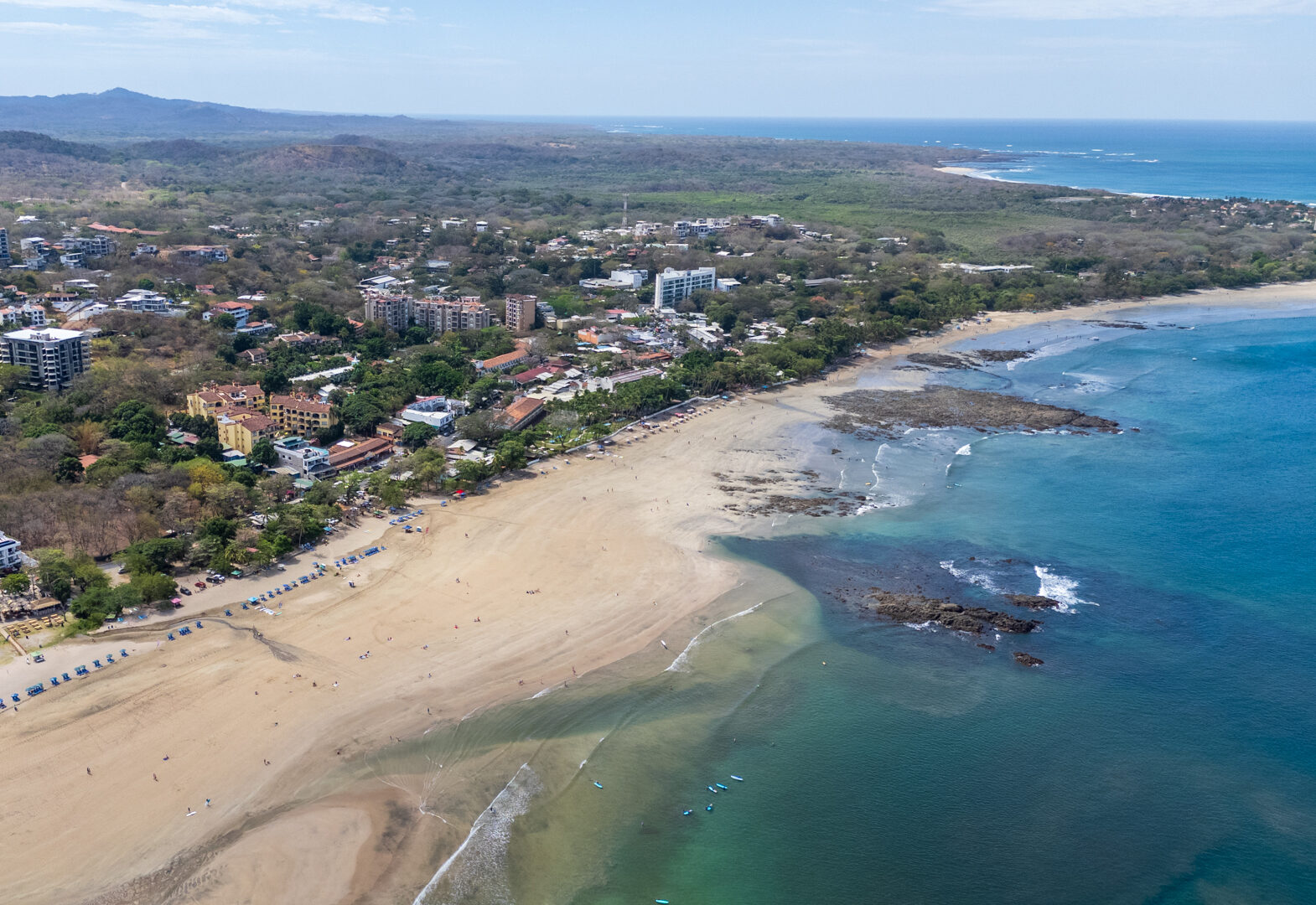
The most famous beach in Guanacaste and the tourism hub of the northern Pacific. The beach itself is long, energetic, and always active — surfers, walkers, volleyball players, and tourists fill the sand year-round. The town behind the beach is Guanacaste’s most developed, with dozens of restaurants, bars, surf schools, and services.
Tamarindo is best for: surfing, first-time visitors, people who want services and nightlife, solo travelers.
Playa Potrero
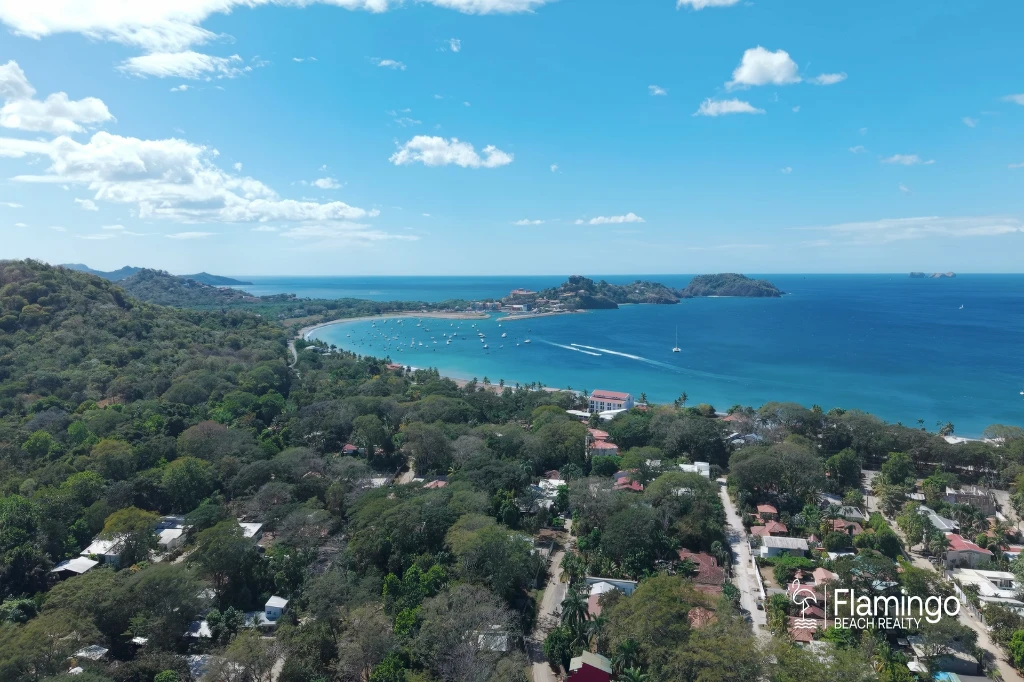
The quieter neighbor to Flamingo, separated only by the small community of Brasilito. Potrero’s beach is longer and slightly less polished than Flamingo’s, but it’s calm, beautiful, and significantly less busy. The town behind it is authentic and low-key.
Potrero is best for: long beach walks, quiet mornings, kayaking, buyers who want beach access without crowds.
Playa Grande
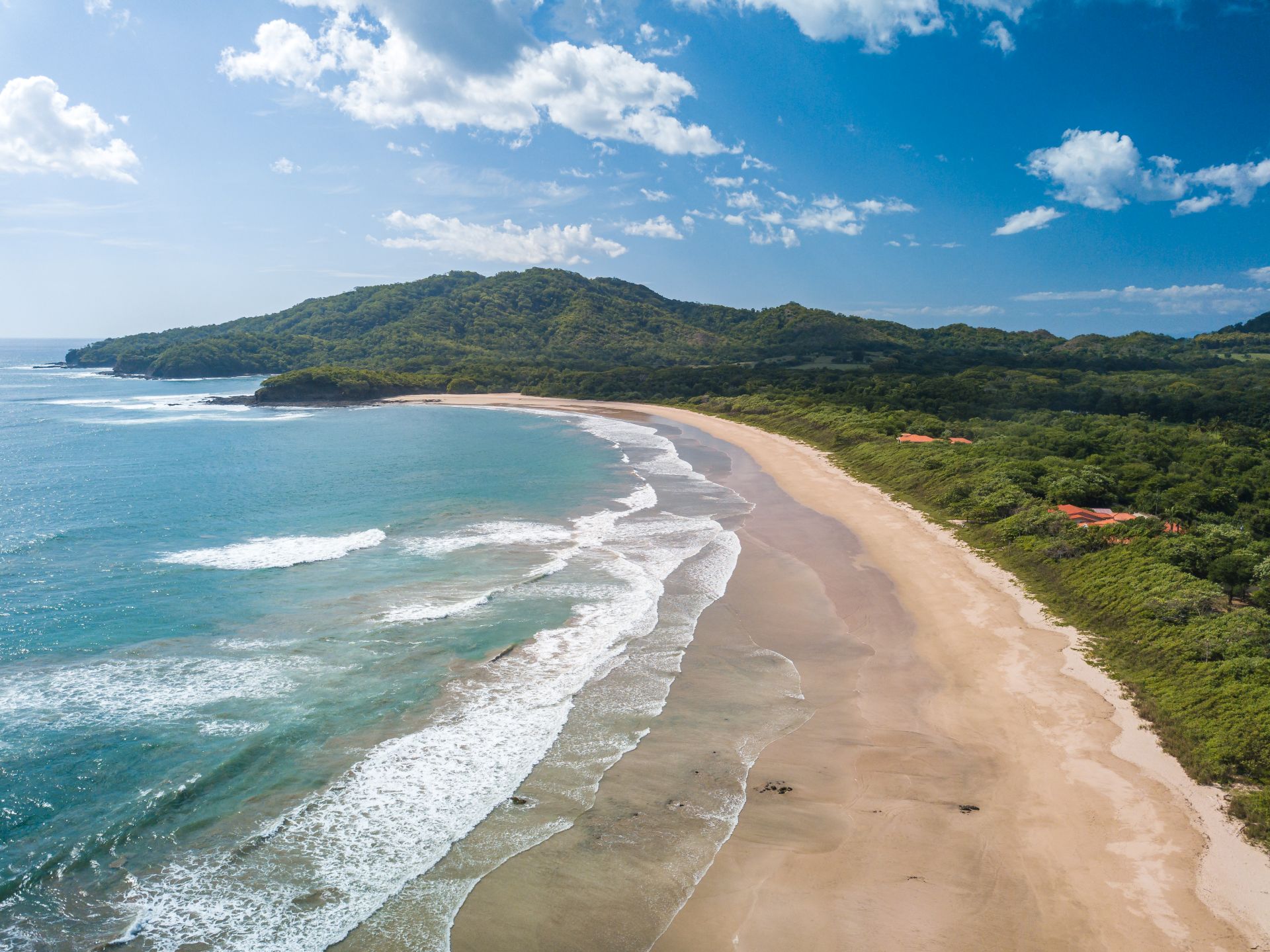
Just north of Tamarindo, across the estuary, Playa Grande is a protected beach that serves as a nesting site for leatherback sea turtles. The beach is magnificent — long, relatively undeveloped, with consistent surf. Development is restricted due to the wildlife protection area, which preserves its character.
Grande is best for: surfing (intermediate to advanced), sea turtle watching (October–February), nature lovers.
Playa Avellanas and Playa Negra

Two surf beaches south of Tamarindo, more remote and community-oriented. Both have reliable waves, low crowds, and a laid-back surfer atmosphere. The community of Avellanas is home to a small but devoted expat population.
Avellanas/Negra is best for: intermediate and advanced surfers, buyers seeking value and quiet.
Surfing in Guanacaste
Guanacaste is one of the best places in the world to surf — not just in Costa Rica, but globally. The consistent Pacific swell, the variety of breaks (from beginner beach breaks to advanced reef breaks), and the warm water year-round create conditions that attract serious surfers from all over the world.
Best Surf Spots by Level
Beginners: Tamarindo’s main break is one of the best places in the world to learn to surf. The river mouth break is a long, forgiving left that gives beginners time to stand and ride. Surf schools in Tamarindo are professional and numerous. The water is warm (82–84°F) and the waves are consistent from October through April.
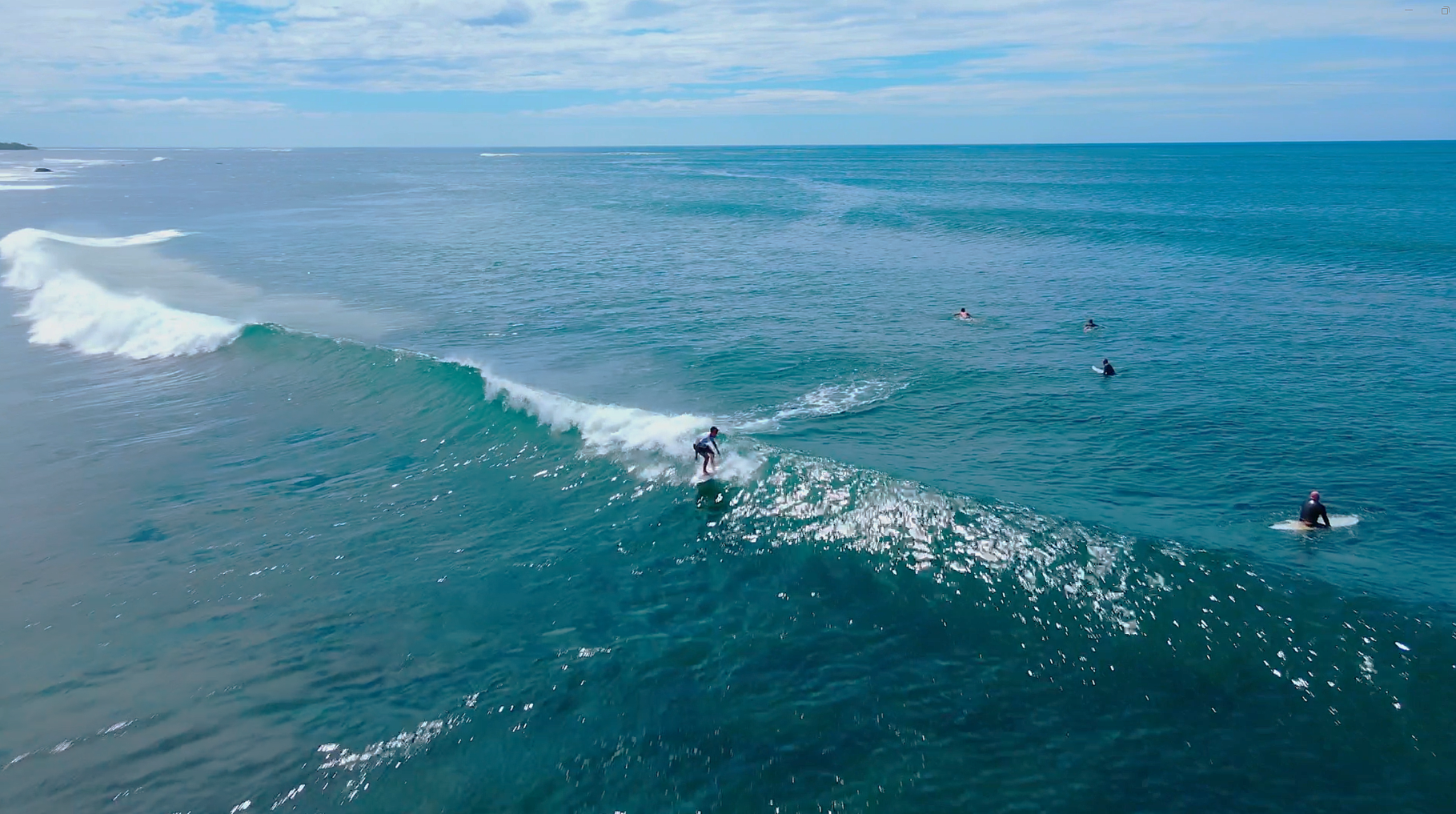
Playa Avellanas has a beach break section that’s gentle enough for beginners while offering something for more experienced riders on the outer reef.
Intermediate: Playa Grande’s beach break offers more size and power than Tamarindo, ideal for surfers who are past the beginner stage and want to develop their surfing on real waves. The estuary crossing (by small boat or at low tide on foot) to reach the beach keeps crowds manageable.
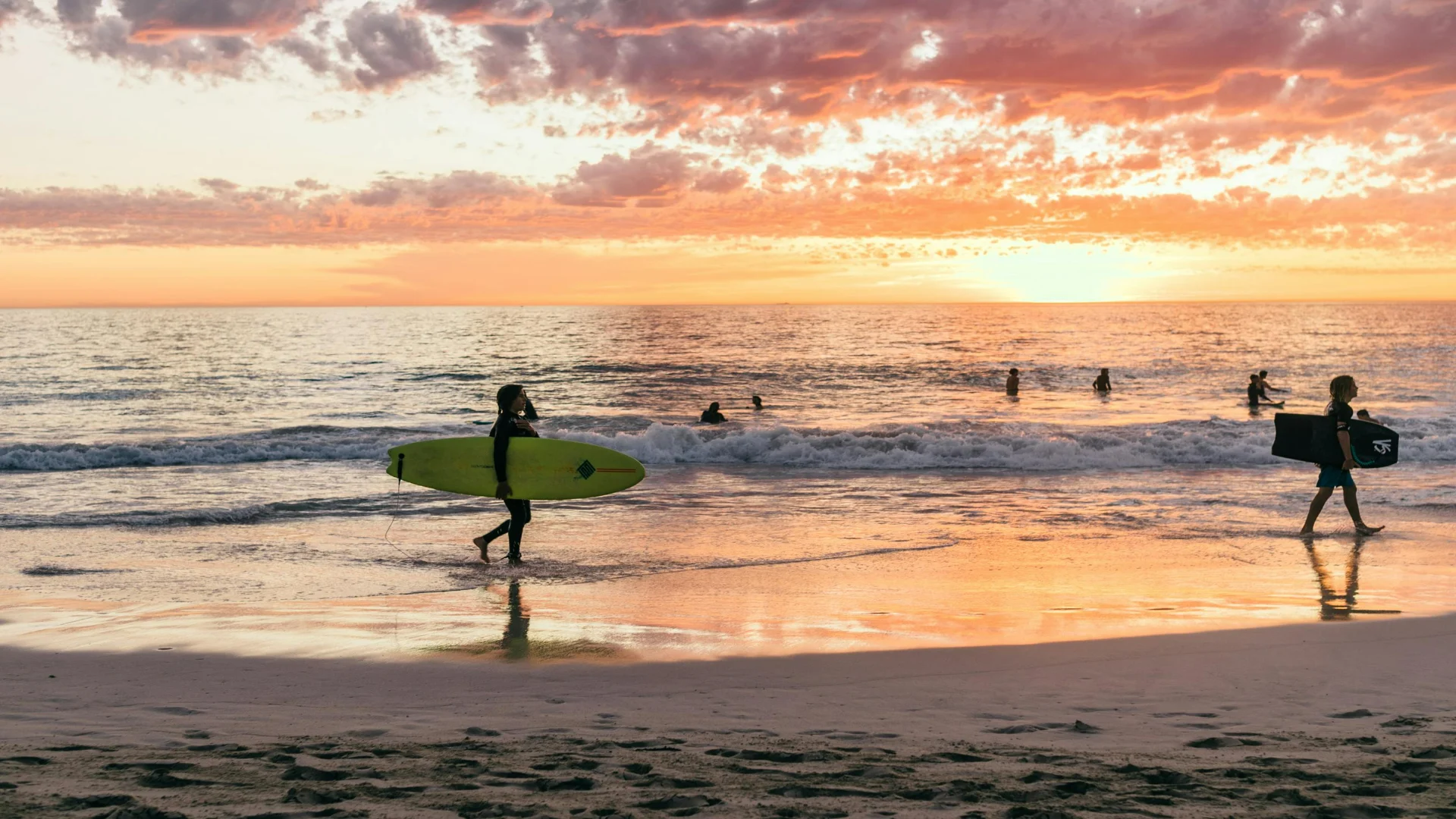
Witch’s Rock (Roca Bruja) — accessible by boat from Playa Tamarindo, within the Santa Rosa National Park — is a legendary break among intermediate and advanced surfers. A long right-hand point break over a sand bottom, it’s one of the iconic waves of Central America.
Advanced: Ollie’s Point (also within Santa Rosa National Park) is a powerful right-hand point break that produces long, fast walls ideal for experienced surfers. Like Witch’s Rock, it requires a boat or sea kayak.
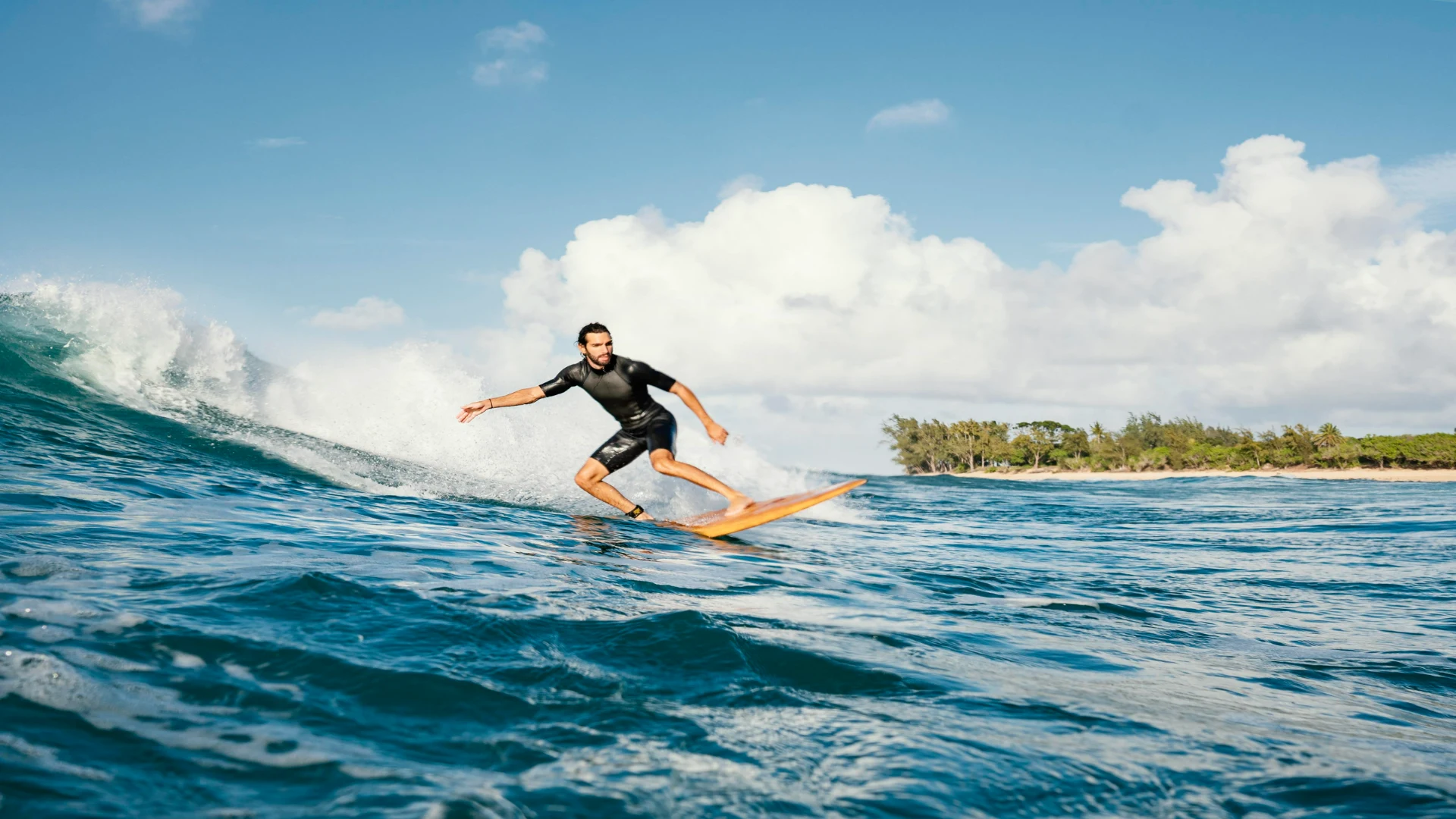
Playa Negra offers a barreling reef break that is considered one of the better advanced waves in the region.
Surfing the Green Season
The May–November green season is actually the preferred surf season for serious surfers. Southern hemisphere swells are more consistent and powerful during this period. Offshore winds from the northwest (late afternoon) create cleaner conditions. The tradeoff is rain, but most surfers in Guanacaste simply surf in the morning and let the afternoon rains come.
Sport Fishing at Playa Flamingo
Playa Flamingo is one of the premier sport fishing destinations on the Pacific coast of Central America. The Pacific waters off the Guanacaste coast are exceptionally productive: deep water drops quickly offshore, creating a consistent food chain that supports some of the best billfish fishing in the world.
What You Can Catch
Sailfish are the signature catch of the Flamingo area. Pacific sailfish are plentiful year-round, but peak season runs from December through April. They’re acrobatic, fast, and typically catch-and-release.
Marlin — both striped marlin and the larger Pacific blue marlin — are caught year-round. Big marlin over 500 pounds are possible in the peak January–April season.
Roosterfish are an inshore specialty of the Flamingo coast. This aggressive, powerful fish is caught in shallow inshore waters and is one of the most exciting catches in the region.
Yellowfin tuna are plentiful offshore. They run in schools, often alongside dolphins, and the best action is usually 25–40 miles offshore.
Dorado (mahi-mahi) are caught year-round but are particularly abundant during the green season (May–October) when they follow the temperature gradients in the Pacific.
The Flamingo Marina
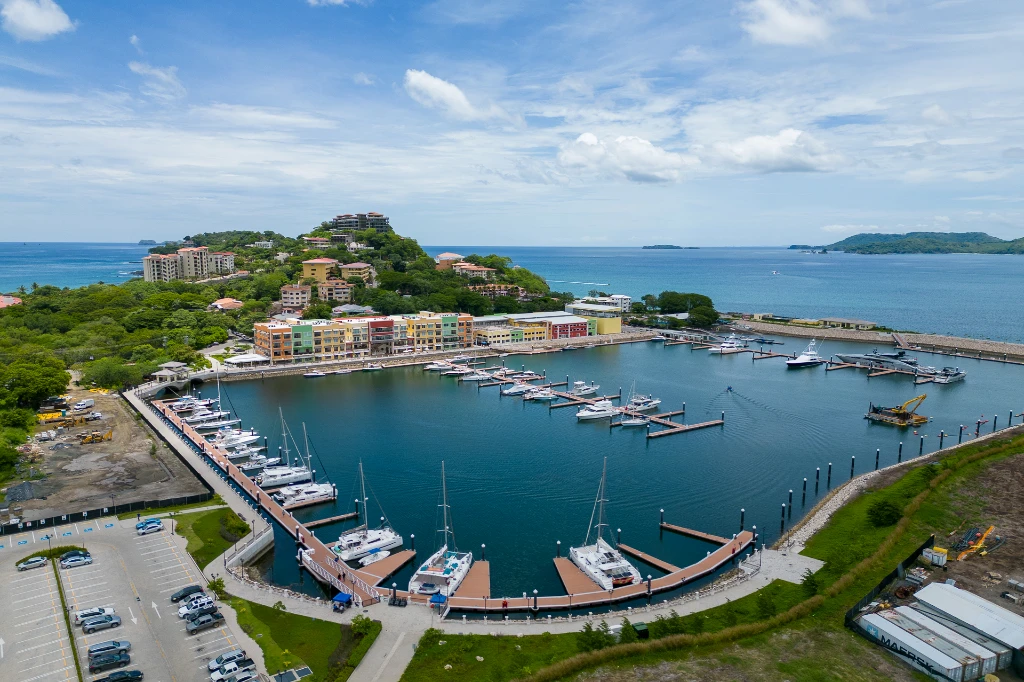
The Flamingo Marina provides full charter infrastructure for the northern corridor:
- 200+ wet slips for vessels up to 150 feet
- Full fueling service
- Dockside fish cleaning and storage
- Charter booking infrastructure
- Dockside restaurants for post-fishing meals
Full-day charters from the Flamingo Marina typically run $800–$2,000 depending on boat size, species target, and duration. Half-day inshore charters (roosterfish, snapper) start around $400–$600.
Things to Do in Tamarindo
Tamarindo is the most active, tourist-focused town in Guanacaste — and for good reason. The combination of beaches, waves, and a critical mass of services creates an energy that the smaller beach towns can’t match.
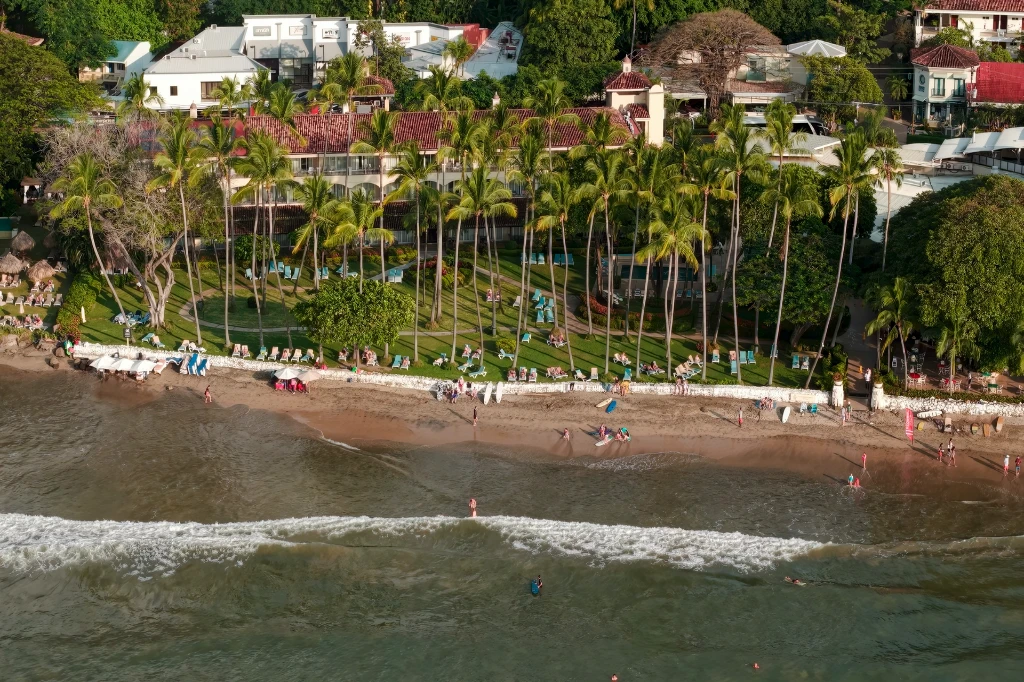
Surf: Tamarindo’s waves are the reason the town exists. The main beach break runs the length of the town; surf schools and rentals are everywhere.
Restaurants: Tamarindo has the best restaurant scene of any town on the Guanacaste coast. From authentic casados in sodas to sushi, wood-fired pizza, and farm-to-table dining, the options match what you’d expect from a sophisticated international resort town.
Nightlife: The Tamarindo nightlife scene is genuine — multiple beach bars, live music venues, and a party atmosphere on weekends that can go late. This is one clear differentiator from the calmer towns like Flamingo or Potrero.
Water activities: Beyond surfing, Tamarindo supports kayaking in the estuary (excellent birdwatching), stand-up paddleboarding, scuba diving off the point at Playa Langosta, and whale watching tours (particularly August–October when humpbacks pass through).
Sea turtle watching: Las Baulas Marine National Park, which protects Playa Grande just across the estuary from Tamarindo, offers guided night tours during leatherback nesting season (October–February). This is a genuinely extraordinary wildlife experience.
Things to Do in Playa Flamingo
Flamingo is quieter than Tamarindo — that’s by design and by preference. The community has a residential character that skews toward property owners and longer-stay visitors rather than package tourists. The activities are oriented toward the water, the outdoors, and the good life.
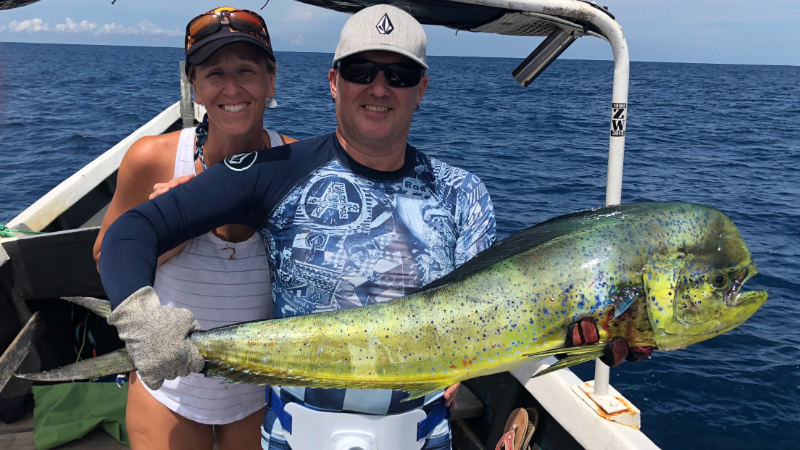
Sport fishing: The Flamingo Marina is the beating heart of the Flamingo lifestyle. Daily fishing charters depart early morning and return mid-afternoon; the dock and marina restaurants fill up as boats come in.
Snorkeling and diving: The rocky points flanking Flamingo Bay support coral and abundant marine life. Several dive operators work out of the marina.
Beach days: Playa Flamingo’s calm bay makes it the best beach in the northern corridor for relaxed swimming, paddleboarding, and doing nothing particularly well. Sunset from the beach looking west over the bay is among the better sunsets in the region.
Hiking and wildlife: The hills surrounding Flamingo harbor dry forest that is home to howler monkeys, white-tailed deer, coatis, and an extraordinary variety of birds. Early mornings in the Flamingo hills are excellent for wildlife observation.
Day trips: Flamingo’s central location on the northern Guanacaste coast makes it an excellent base for day trips: Rincon de la Vieja volcano (1.5 hours northeast), Palo Verde National Park (waterfowl, crocodiles, boat tours), or the quieter beaches south toward Nosara.
Guanacaste for Families: Schools, Activities, and Community
For families considering a relocation or extended stay, Guanacaste has developed significantly in the past decade.
International schools: Several quality international schools operate in the greater Tamarindo-Flamingo corridor, offering English-language instruction following US or IB curricula. These schools have grown substantially to serve the expanding expat community. Waiting lists exist in the early grades at some schools — enrollment planning matters for families with young children.
Children’s activities: Guanacaste offers a remarkable variety of outdoor and experiential activities for children: swimming, surfing lessons, horseback riding on the beach, wildlife tours, zip-lining, and ATV excursions. The nature-rich environment creates a childhood experience quite different from a typical suburban American upbringing.
Community: The expat community in Guanacaste has grown large enough to support genuine community structure: organized children’s sports leagues, parent groups, school events, and regular community gatherings. Families who come to Guanacaste typically find community faster than they expect.
Frequently Asked Questions About Guanacaste Lifestyle
When is the best time to visit Guanacaste?
January through March is the peak of the dry season — near-perfect weather, full activity calendars, and maximum beach enjoyment. November–December and April–May offer good weather with lighter tourist traffic and lower rental rates. Surfers and nature-oriented visitors often prefer the green season for better swell and greener landscapes.
What are the best beaches in Guanacaste for families?
Playa Flamingo’s calm, protected bay is ideal for families with children — gentle water, white sand, and easy access. Playa Conchal is stunning and generally calm. Playa Potrero is flat, gentle, and quiet. Tamarindo Beach has more wave action but the town infrastructure (restaurants, shops, activities) makes it very family-friendly for older children.
Is Guanacaste good for surfing beginners?
Tamarindo is one of the best places in the world to learn to surf. The river mouth break is forgiving and consistent, surf schools are professional and numerous, and the warm water makes spending hours in the water comfortable. Most beginners are standing up on their first or second day.
What is sport fishing like at Playa Flamingo?
Exceptional. The Flamingo Marina provides full charter infrastructure, and the Pacific waters off the Guanacaste coast produce world-class sailfish, marlin, roosterfish, yellowfin tuna, and dorado fishing year-round. January through April is peak season for offshore billfish.
Does it rain a lot in Guanacaste?
During the dry season (December–April), rainfall is extremely rare — weeks can pass without a drop. The green season (May–November) brings afternoon rains, typically one to two hours in the afternoon following clear mornings. September and October are the wettest months. Guanacaste receives significantly less annual rainfall than other regions of Costa Rica.
What international schools are available in Guanacaste?
Several international schools operate in the Tamarindo-Flamingo corridor offering English-language instruction. The landscape has grown substantially over the past decade. The team at Flamingo Beach Realty can refer you to current school options in the area as part of the relocation support process.
Guanacaste offers a lifestyle that’s genuinely difficult to find anywhere else: Pacific beaches, year-round warmth, extraordinary nature, world-class fishing and surfing, and an expat community large enough to feel like home. The team at Flamingo Beach Realty is here to help you find the right property in the right community. Contact us today to start the conversation.