Everything You Need to Know Before You Move
Moving abroad is one of the biggest decisions you’ll ever make. For thousands of Americans each year, that decision lands on Costa Rica — and Guanacaste in particular. The combination of tropical weather, affordable living, world-class beaches, and a welcoming expat culture makes it uniquely compelling. This Costa Rica relocation guide walks you through the essentials: what it actually costs to live here, where to settle, how to meet your community, and what the moving process really looks like.
Table of Contents
- Why Americans Are Moving to Costa Rica
- Cost of Living in Costa Rica: What to Budget
- Best Places to Live in Costa Rica
- US Expat Communities in Costa Rica
- The Moving Process: What to Know Before You Go
- Frequently Asked Questions About Relocating to Costa Rica
Why Americans Are Moving to Costa Rica
Costa Rica has been drawing American expats for decades, but the pace has accelerated significantly since 2020. The reasons aren’t hard to identify.
The weather is exceptional. Guanacaste’s dry season runs from December through April — wall-to-wall sunshine, low humidity, and warm Pacific water. Even the green season (May through November) delivers lush landscapes and manageable afternoon rains, not the relentless gray of a northern winter.
The healthcare is surprisingly strong. Costa Rica’s public healthcare system (the CAJA) is one of the best in Latin America, and private options are affordable and high quality by any standard. Many American retirees find their medical costs drop dramatically after moving here.
The legal framework protects foreign buyers. Unlike many countries, Costa Rica gives foreign nationals the same property ownership rights as citizens. You don’t need residency to buy, and there are no restrictions on ownership of titled property. That legal security is a major reason this country continues to attract serious buyers rather than just tourists.
And then there’s the lifestyle itself. Moving to Costa Rica from the USA means trading rush-hour traffic for sunrise surf sessions, suburban sprawl for walkable beach towns, and the relentless pace of American professional life for something the Ticos call Pura Vida — a genuine cultural commitment to slowing down and being grateful for what you have.
Cost of Living in Costa Rica: What to Budget

One of the most common questions in any Costa Rica relocation guide is simply: how much does it cost? The honest answer is that it depends significantly on where you live and how you live — but here are realistic numbers for Guanacaste.
Housing is the biggest variable. A comfortable two-bedroom home in Playa Flamingo or Playa Potrero might rent for $1,200–$2,500 per month depending on amenities, distance to the beach, and whether the property is inside a gated community. Long-term renters who commit to 12-month leases often negotiate below market rates. Buyers who purchase property naturally eliminate the monthly rent entirely, which is part of why so many expats who start as renters end up buying within a few years.
Groceries and dining are genuinely affordable. Shopping at local markets (ferias) and Tico supermarkets keeps food costs low — a couple can eat well on $400–$600/month for groceries. Imported US products cost more, so expats who cook locally and eat at casados (traditional Costa Rican lunch spots) spend far less than those who insist on American brands.
Healthcare is a strong value. As a legal resident, you can access the CAJA public system for a monthly contribution tied to your income. Private health insurance for an American in their 50s typically runs $150–$300/month depending on the plan and coverage level.
Utilities are reasonable. Electricity runs $50–$150/month depending on air conditioning use. Internet is fast in the Guanacaste corridor — most communities have fiber or high-speed cable. Water is inexpensive.
Transportation depends on whether you bring or buy a vehicle. Owning a car is common among expats; fuel and basic maintenance are comparable to US costs, though vehicle import taxes can be steep if you’re shipping from the US.
A realistic monthly budget for a couple living comfortably in Guanacaste — renting a nice home, dining out a few times per week, traveling locally — falls in the range of $2,500–$4,500/month. Those who buy property and cook locally can live well for significantly less.
Best Places to Live in Costa Rica
Costa Rica offers several distinct regions with different characters. For most Americans moving here, the decision comes down to a handful of anchor areas.
Guanacaste (Northern Pacific Coast) is the clear choice for those who want a beach lifestyle with expat infrastructure. The corridor running from Tamarindo north through Playa Flamingo, Playa Potrero, and on to the Papagayo Peninsula offers the country’s best combination of beaches, services, international schools, and property values. Liberia International Airport is 50–60 minutes away with direct flights to dozens of US cities — which matters enormously when family visits or medical travel is part of your life.
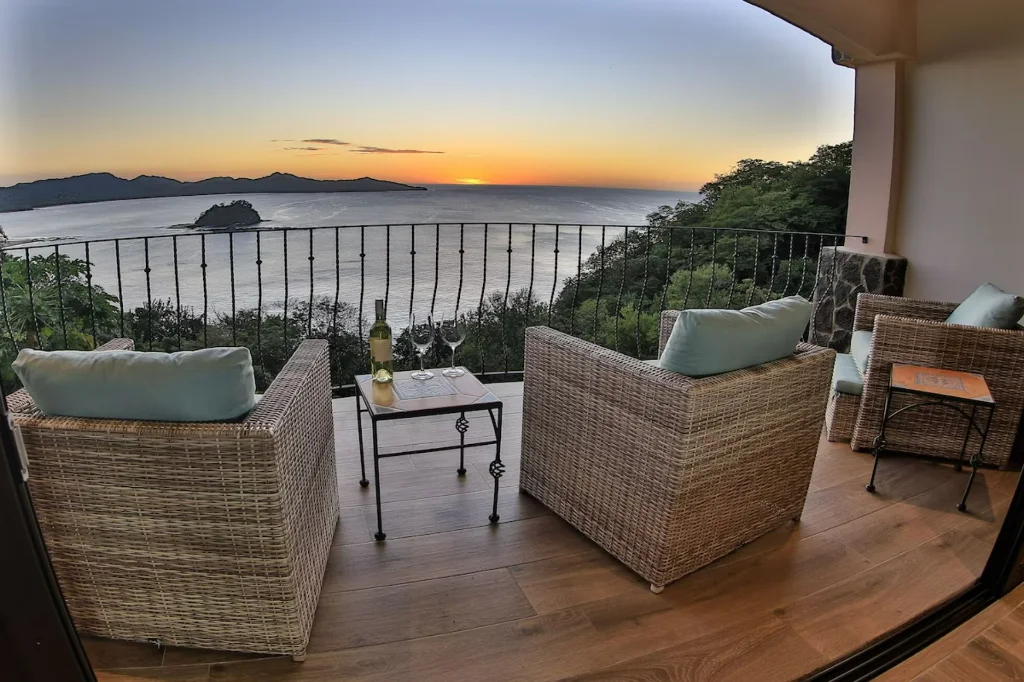
Within Guanacaste, Playa Flamingo stands out as the most refined option. The beach itself is one of Costa Rica’s only true white-sand Pacific beaches, the new Flamingo Marina has brought 200+ wet slips and world-class dining to the bay, and the surrounding hillside communities offer spectacular ocean views. It’s quieter than Tamarindo but more polished than many of the smaller villages nearby.
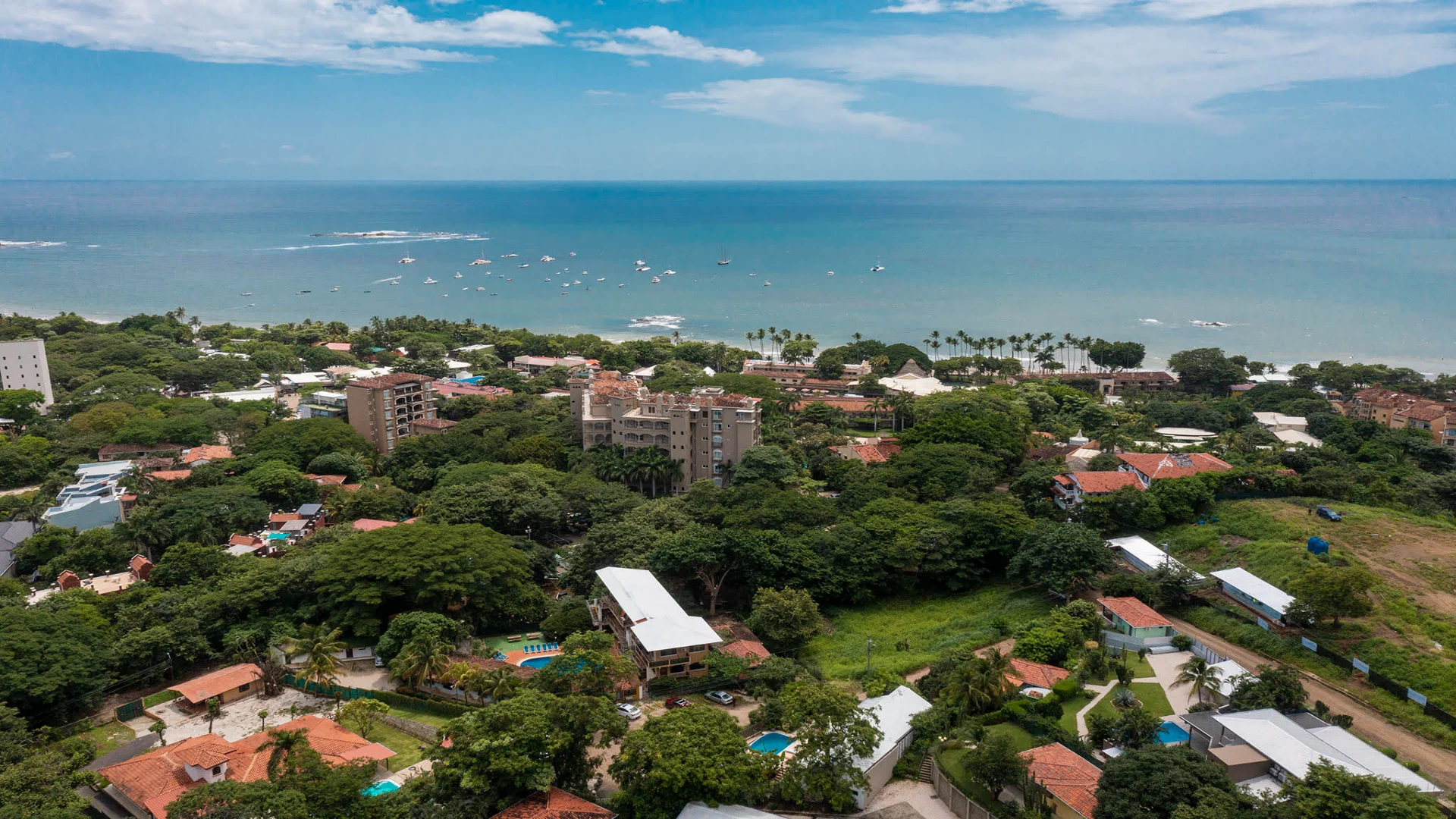
Playa Tamarindo is for those who want more urban energy. It’s the most developed expat beach town in Guanacaste, with a full range of restaurants, surf schools, gyms, coworking spaces, and nightlife. It’s also the most tourist-trafficked, which some love and others find too busy.
The Central Valley (San José area) appeals to expats who want a more urban experience, cooler weather (higher elevation moderates the heat), and maximum access to healthcare and services. It’s less scenic than the coast but extremely convenient.
The Southern Pacific (Manuel Antonio, Dominical, Uvita) offers lush rainforest and stunning scenery with a smaller, tighter-knit expat community. It’s more remote but deeply beloved by those who find it.
For most American buyers and retirees, Guanacaste remains the top choice — and Playa Flamingo specifically has seen consistent appreciation in property values over the past decade.
US Expat Communities in Costa Rica
One thing that surprises many people planning their move is just how established the US expat communities in Costa Rica are. You won’t be starting from scratch socially.
In Guanacaste, the expat community is large, active, and well-organized. American, Canadian, and European residents have formed clubs, charity organizations, weekly social gatherings, and informal networks that help newcomers get settled quickly. Facebook groups like “Expats in Guanacaste” and “Flamingo-Potrero Expat Community” are active daily, fielding questions from everything from recommended dentists to where to find a good plumber.
La Paz Community School, located just 5–10 minutes from Playa Flamingo, is a key anchor for expat families. Offering bilingual education from pre-K through high school, it’s consistently one of the top reasons families cite for choosing the Flamingo-Potrero corridor over other communities. CRIA (the Costa Rican International Academy) is another option in the area.
The expat social scene in Playa Potrero and Flamingo tends to be more low-key and community-oriented — Friday-night happy hours at local bars, beach volleyball groups, charity fundraisers. In Tamarindo, the scene is larger and faster-paced, with a younger demographic mix of surfers, digital nomads, and established expat families.
Many expats also connect through Flamingo Beach Realty’s relocation services, which goes beyond property transactions to help new arrivals understand the logistics of settling in — from banking to building permits to understanding local customs.
The Moving Process: What to Know Before You Go
You don’t need residency to move here. Americans can enter Costa Rica as tourists and stay for 90 days. Many expats initially operate on 90-day tourist visas while they establish residency, which involves brief border runs or simply flying back to the US and returning. It’s not ideal long-term, but it’s workable during the transition.
Residency takes time but isn’t complicated. The Pensionado visa (for retirees receiving $1,000+/month in pension/Social Security income) and the Rentista visa (for those with passive income) are the most common paths. The Digital Nomad visa is a newer option for remote workers. All require patience with Costa Rica’s bureaucracy — most applicants work with a local immigration attorney.
Shipping belongings is expensive and time-consuming. Most expats find it more practical to sell or store most possessions in the US and furnish locally. Furniture, appliances, and home goods are widely available in Costa Rica. Items that are hard to find or expensive locally include quality tools, certain electronics, and specialty American foods.
Open a local bank account early. This is one of the more frustrating parts of the process. Costa Rican banks require residency or significant documentation for foreigners. Banco Nacional and BAC are the two most expat-friendly options. Many expats rely on US accounts with low foreign transaction fees (Charles Schwab’s debit card is widely used) while they establish local banking.
Hire a bilingual real estate attorney. Whether you’re buying property or signing a long-term lease, having a qualified Costa Rican real estate attorney (see our full guide to attorney fees and the buying process) protects your investment and ensures documents are registered correctly.
Frequently Asked Questions About Relocating to Costa Rica
How much money do I need to retire in Costa Rica?
A couple can retire comfortably in Guanacaste on $2,500–$4,000/month, which includes housing (either rent or ownership costs), food, utilities, transportation, and healthcare. Those with a paid-off property and modest lifestyle can live well on less than $2,000/month.
Can Americans buy property in Costa Rica without residency?
Yes. Foreign nationals have the same legal right to own titled property in Costa Rica as citizens. Residency is not required to purchase real estate. You can buy, hold, and sell property as a tourist.
What is the cost of living in Costa Rica compared to the US?
For most Americans, Costa Rica offers a noticeably lower cost of living — especially in housing, healthcare, and dining. Imported goods and vehicles can be expensive, but local food, services, and utilities are generally cheaper than comparable US prices.
Is Costa Rica safe for American expats?
Guanacaste is considered one of the safer regions in Central America. Like anywhere, exercising common sense about valuables and neighborhood choices matters. Most expats in the Flamingo, Tamarindo, and Potrero corridor report feeling very safe and comfortable.
What is the best place to live in Costa Rica for expats?
Guanacaste consistently tops the list for Americans due to its direct flight access from the US, strong expat infrastructure, international schools, high-quality beaches, and established property market. Playa Flamingo and Tamarindo are the most popular anchors in the region.
Do I need to speak Spanish to live in Costa Rica?
Not in the major Guanacaste expat communities. English is widely spoken in Tamarindo, Flamingo, Potrero, and the surrounding areas. That said, learning basic Spanish dramatically improves the experience and is warmly appreciated by locals.
How long does it take to get Costa Rica residency?
The process typically takes 12–24 months from initial application to approval. Most expats work with a local immigration attorney. Once residency is approved, you can access the public healthcare system (CAJA) and stay indefinitely without tourist visa renewals.
–
The team at Flamingo Beach Realty has helped hundreds of Americans navigate the move to Guanacaste — from first property search to keys in hand. Contact us today to talk through your relocation goals with someone who lives and works here.