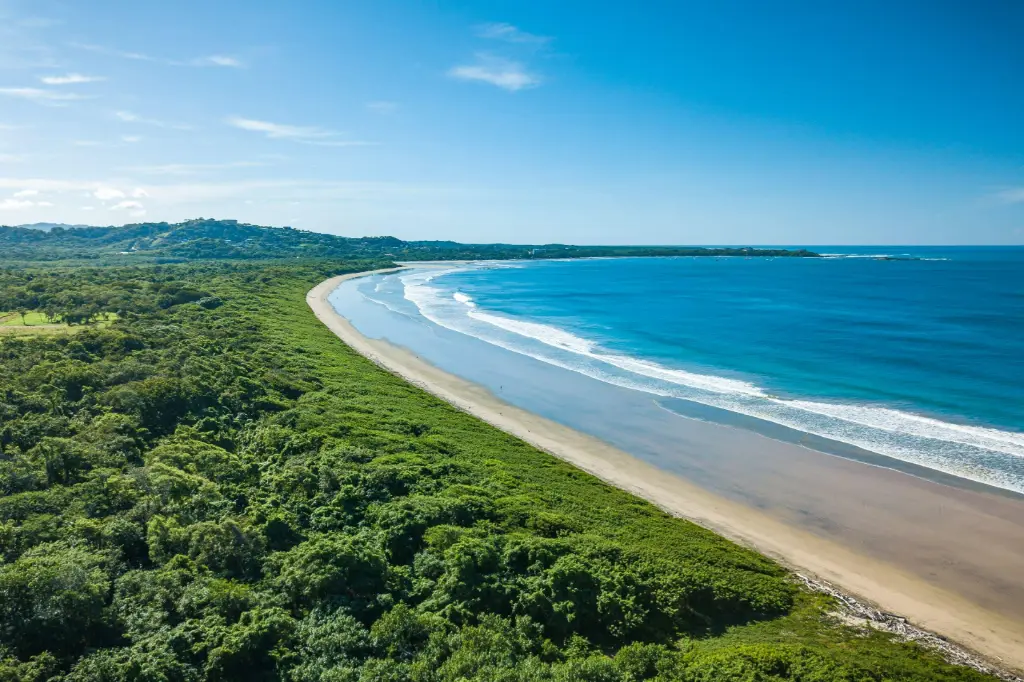
Playa Grande offers a different way to experience Costa Rica’s Pacific coast. Located in Guanacaste within the Bay of Tamarindo, this beach community is known for its surf, wide sandy beach, tropical dry forest, and close relationship with one of Costa Rica’s important coastal conservation areas.
The community sits alongside Las Baulas National Marine Park, a protected area created to safeguard leatherback sea turtles and important coastal ecosystems. Nearby mangroves and the Tamarindo estuary add another layer to the area’s natural character, creating a landscape where beaches, forests, wetlands, and marine habitats are closely connected.
For homebuyers, that setting is part of what makes Playa Grande interesting. The appeal goes beyond owning a property near the ocean. Many buyers are drawn to the opportunity to enjoy a quieter coastal lifestyle, spend more time outdoors, and live in a community where conservation remains an important part of the surrounding environment.
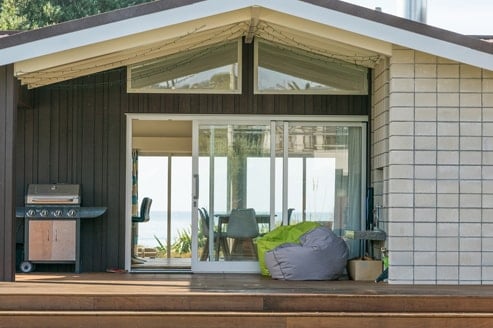
At the same time, Playa Grande offers a growing selection of homes, villas, condominiums, and custom properties. Some incorporate features suited to the tropical climate, including outdoor living spaces, natural ventilation, tropical landscaping, and energy conscious systems.
For buyers exploring Guanacaste real estate, Playa Grande presents an interesting balance between coastal living, outdoor recreation, conservation, and residential opportunity.
Table of Contents
- Las Baulas National Marine Park and Playa Grande
- The Natural Environment Around Playa Grande
- Sustainable Design and Eco Conscious Living
- Buying Real Estate in Playa Grande
- The Playa Grande Outdoor Lifestyle
- Playa Grande as a Real Estate Investment
1. Las Baulas National Marine Park and Playa Grande
One of the most important things to understand about Playa Grande is its relationship with Las Baulas National Marine Park.
The park was established to protect important nesting beaches for leatherback sea turtles, including Playa Grande, Playa Ventanas, and Playa Langosta. The leatherback turtle, Dermochelys coriacea, is the largest sea turtle species in the world and is classified as critically endangered.
Las Baulas National Marine Park covers approximately 175 square kilometers, with the majority of the protected area consisting of marine territory. SINAC identifies approximately 7.7 square kilometers as terrestrial and 171.36 square kilometers as marine, extending offshore to 12 nautical miles.
This protected status is important for anyone considering property in Playa Grande. Being located near the national park does not mean that every property in the broader community falls within protected land. Residential properties exist outside the protected zones, and individual properties still need to be evaluated according to their own boundaries, zoning, access, and development conditions.
For buyers considering land or a property with plans for future construction, this makes professional due diligence particularly important. Zoning, environmental regulations, property boundaries, water availability, and construction permissions should all be reviewed before making assumptions about what can be developed.
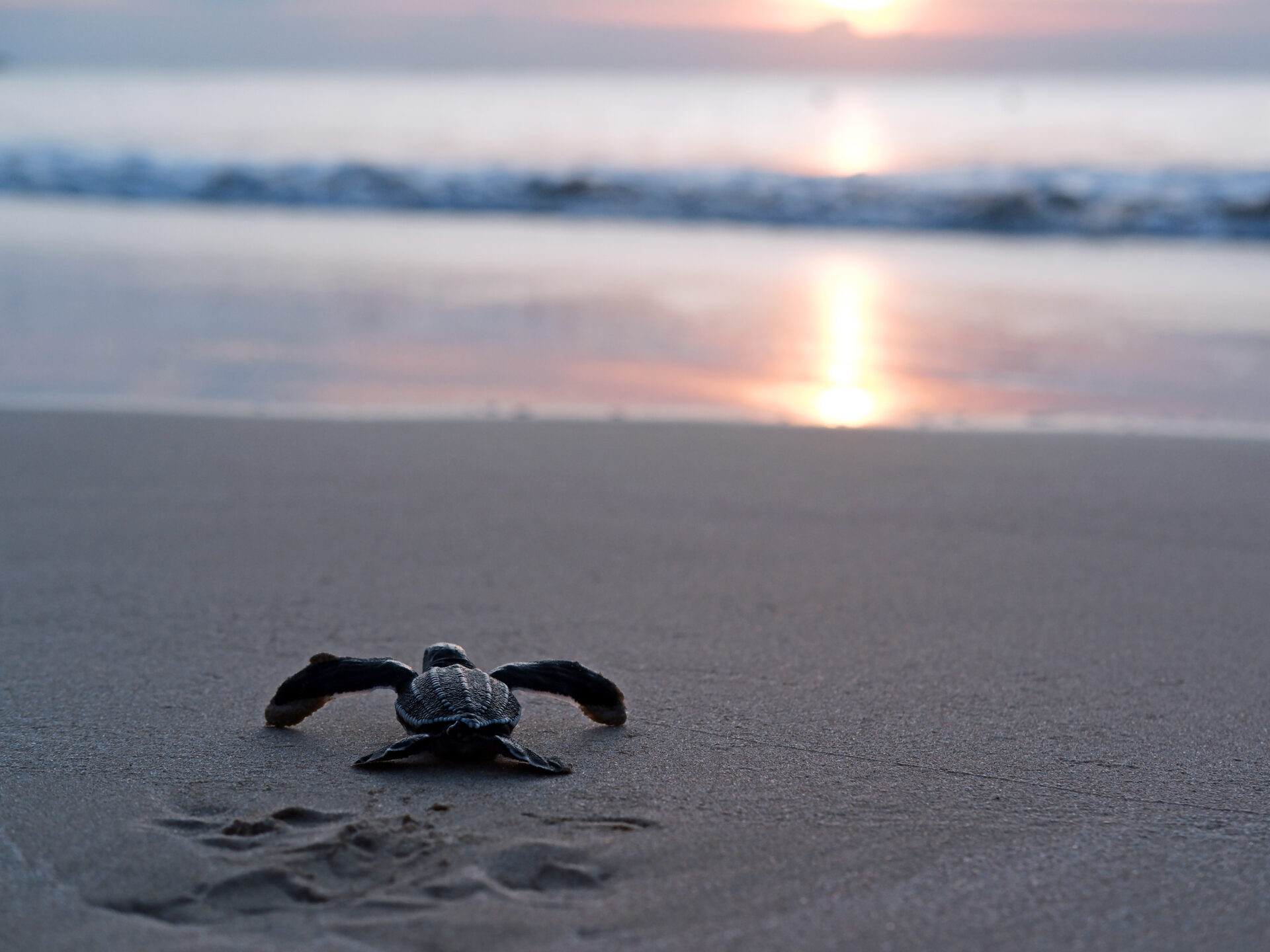
The leatherback nesting season is another important part of the area’s identity. SINAC identifies the main turtle observation period as October 20 through February 15. During this period, access and turtle observation are regulated to reduce disturbance to nesting turtles. Visitors are required to follow park rules, including restrictions around approaching, photographing, or otherwise disturbing the animals.
For Playa Grande residents, the protected coastline is therefore more than a nearby attraction. It is part of the community’s identity and one of the reasons the area has maintained a strong connection to conservation.
2. The Natural Environment Around Playa Grande
Playa Grande’s appeal is not limited to its main beach. The surrounding landscape includes tropical dry forest, coastal habitats, mangroves, and estuarine environments that support a wide range of wildlife.
The beach is well known for surfing, but the area’s natural setting also creates opportunities for swimming, hiking, wildlife observation, kayaking, and exploring the coastline. Costa Rica’s tourism authorities recognize Playa Grande as one of Guanacaste’s established surfing destinations.
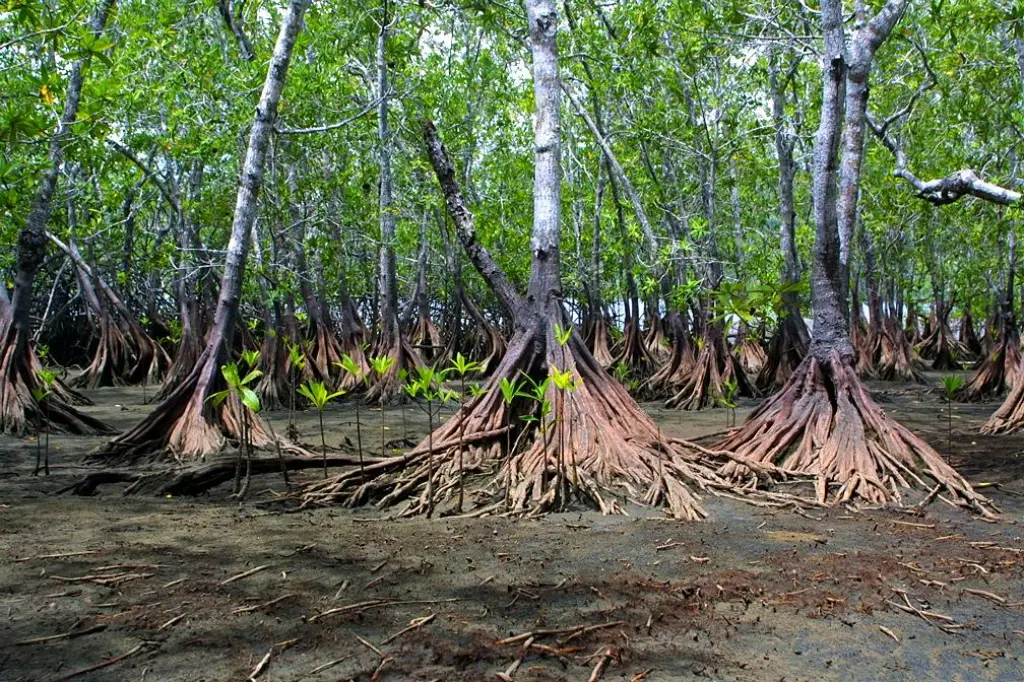
Nearby, the Tamarindo estuary and mangrove ecosystems provide habitat for birds and other wildlife. According to the information included in the article, approximately 117 species of trees and shrubs and 139 bird species have been identified within Las Baulas National Marine Park.
The landscape also changes with the seasons.
Guanacaste has a pronounced dry season and rainy season. During the drier months, the tropical dry forest takes on a more open and brown appearance, while the arrival of the rains transforms the landscape with greener vegetation and renewed growth.
This seasonal variation is part of the experience of living in this part of Costa Rica. Instead of a landscape that looks the same throughout the year, residents experience noticeable changes in vegetation, weather, wildlife, and outdoor conditions.
For buyers who appreciate the natural side of Costa Rica, this can be an important consideration when choosing a property. A home’s surroundings, privacy, mature vegetation, views, and proximity to beaches or natural areas can influence the experience just as much as the interior of the house.
That is one reason properties with thoughtful landscaping and usable outdoor areas can be particularly appealing in Playa Grande. The environment becomes an extension of the home rather than simply something to look at from a window.
3. Sustainable Design and Eco Conscious Living
Sustainable living in Playa Grande does not necessarily mean choosing a home with a specific “eco” label. It can be as simple as selecting a property that responds well to the local climate and makes thoughtful use of its surroundings.
Guanacaste’s warm climate makes design choices such as shade, airflow, covered terraces, window placement, and outdoor living particularly relevant. A home designed around these principles can create comfortable spaces while making better use of natural conditions.
The way a property uses its land is also worth considering. Mature trees, tropical landscaping, shaded outdoor areas, and gardens can provide privacy and help create a more comfortable setting around the home. For buyers who value environmental responsibility, preserving existing vegetation and minimizing unnecessary disturbance can be meaningful considerations.
Corona del Cabo #13 provides one example of a property where the surrounding environment is a major part of the residential experience. Located on nearly two acres in Playa Grande, the property combines ocean and jungle views with several spaces designed around outdoor use. It includes a luxury safari tent with a kitchen, living area, bedroom, and outdoor bathroom, as well as a large deck designed for yoga and meditation. A separate two bedroom residence is also part of the property, with additional land available for future development.
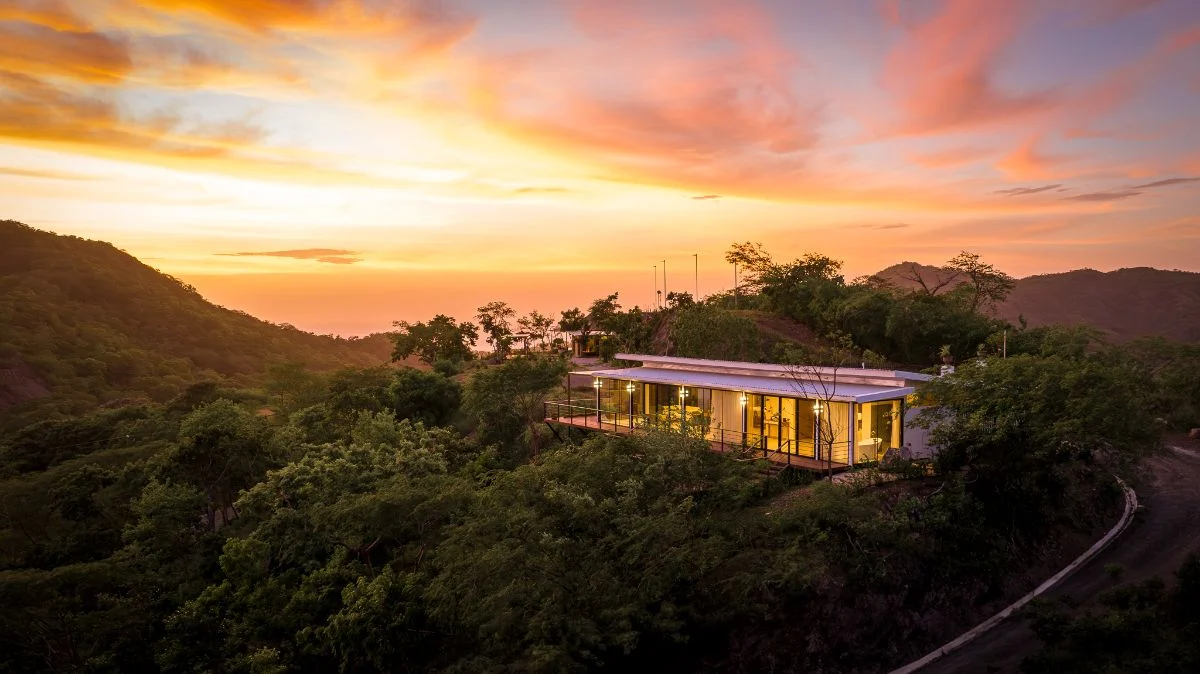
The property should not be presented as a certified sustainable home because the available listing information does not establish that. Instead, it is a useful example of how a property can be designed around its setting, with outdoor areas and natural surroundings playing a central role in the way the property is enjoyed.
Villa Pacha & Casita Coco offers another perspective. Located between Matapalo and Playa Grande, the property was completed in 2022 and includes a main residence, separate guest house, swimming pool, tropical landscaping, and extensive outdoor living areas. Its covered wraparound terrace, outdoor living room, BBQ area, balconies, and large openings create a strong connection between the interior and exterior spaces.
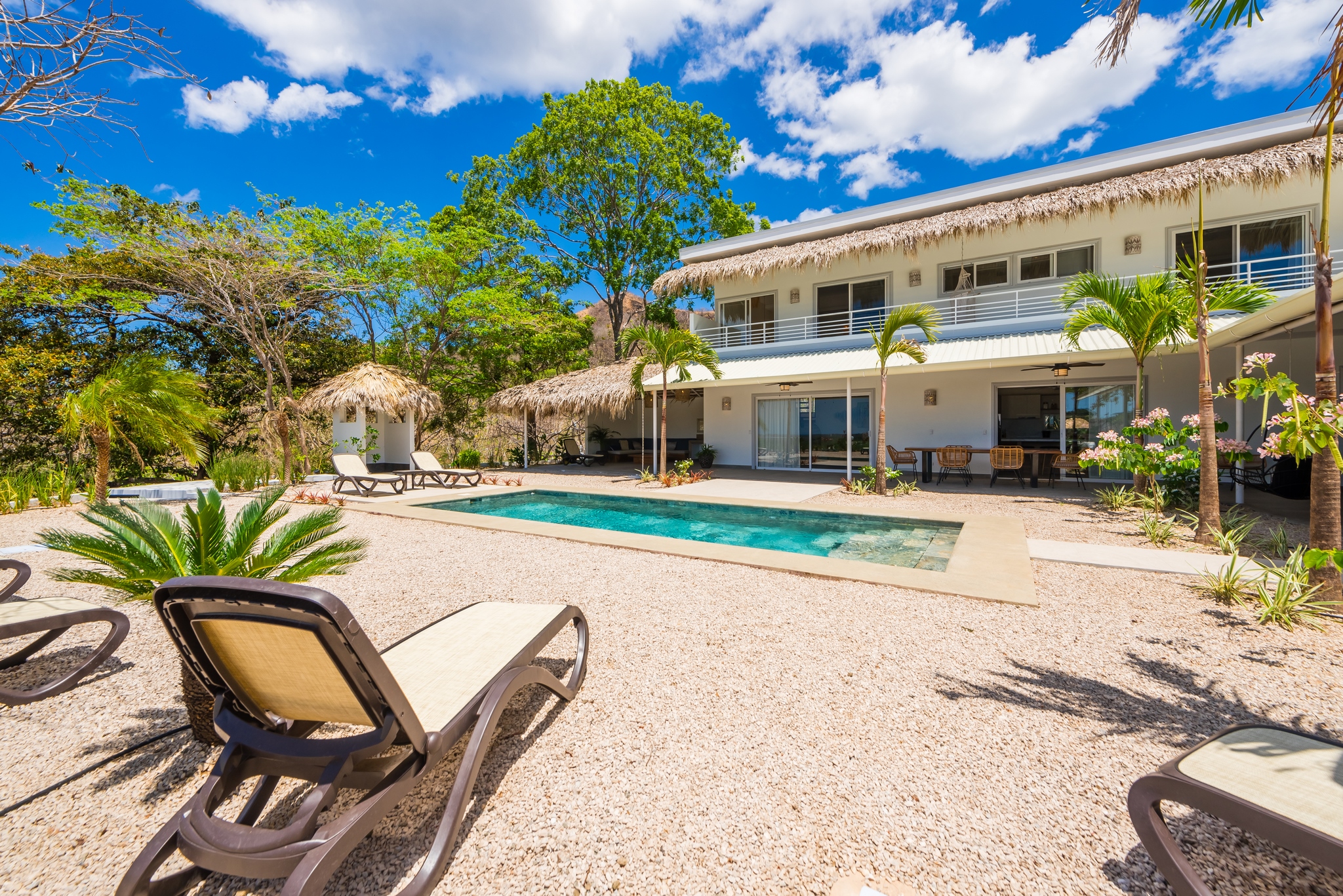
For buyers, these examples demonstrate that environmentally conscious living can be about more than technology. It can also involve architecture, landscaping, orientation, outdoor space, and the relationship between a home and its surroundings.
Of course, features such as solar power, energy efficient appliances, water saving fixtures, efficient cooling systems, and water management can also contribute to a property’s environmental performance. Buyers should verify these features individually rather than assuming that every property marketed as eco friendly includes them.
4. Buying Real Estate in Playa Grande
Playa Grande real estate offers several options for buyers, including homes, condominiums, larger private residences, and land for those interested in creating a custom property.
One of the advantages of the area is that buyers can approach the market with different priorities. Someone looking for a vacation home may place more importance on beach access and outdoor entertaining spaces. A full time resident may prioritize privacy, practical access, and comfortable year round living. An investor may be more interested in rental potential, property configuration, and proximity to tourist attractions.
Location is therefore one of the most important factors to consider.
A property within walking distance of the beach offers a different experience from a larger home farther inland. Ocean views, road access, privacy, existing infrastructure, water availability, and the potential for future improvements can all influence how a property functions and how it may appeal to future buyers.
For buyers considering land, due diligence becomes particularly important. Playa Grande’s proximity to protected natural areas means that zoning, environmental considerations, water availability, property boundaries, and development permissions should be reviewed before purchasing with future construction in mind.
It is also important to understand that not every property will have the same infrastructure or development potential. Two homes that appear similar online may have very different considerations once access, utilities, water, title, zoning, and building conditions are examined.
This is where working with experienced local professionals can make the process easier. A real estate professional can help buyers understand the market and compare properties, while a Costa Rican attorney can conduct the appropriate legal due diligence. Architects and engineers can also help determine what improvements or construction may be realistic for a particular property.
For international buyers especially, understanding the property beyond the listing description is an important part of making a sound purchase.
5. The Playa Grande Outdoor Lifestyle
For many people, the attraction of Playa Grande begins with the ocean.
Surfing is one of the community’s defining activities, and Playa Grande is recognized as an important surf destination in Guanacaste.
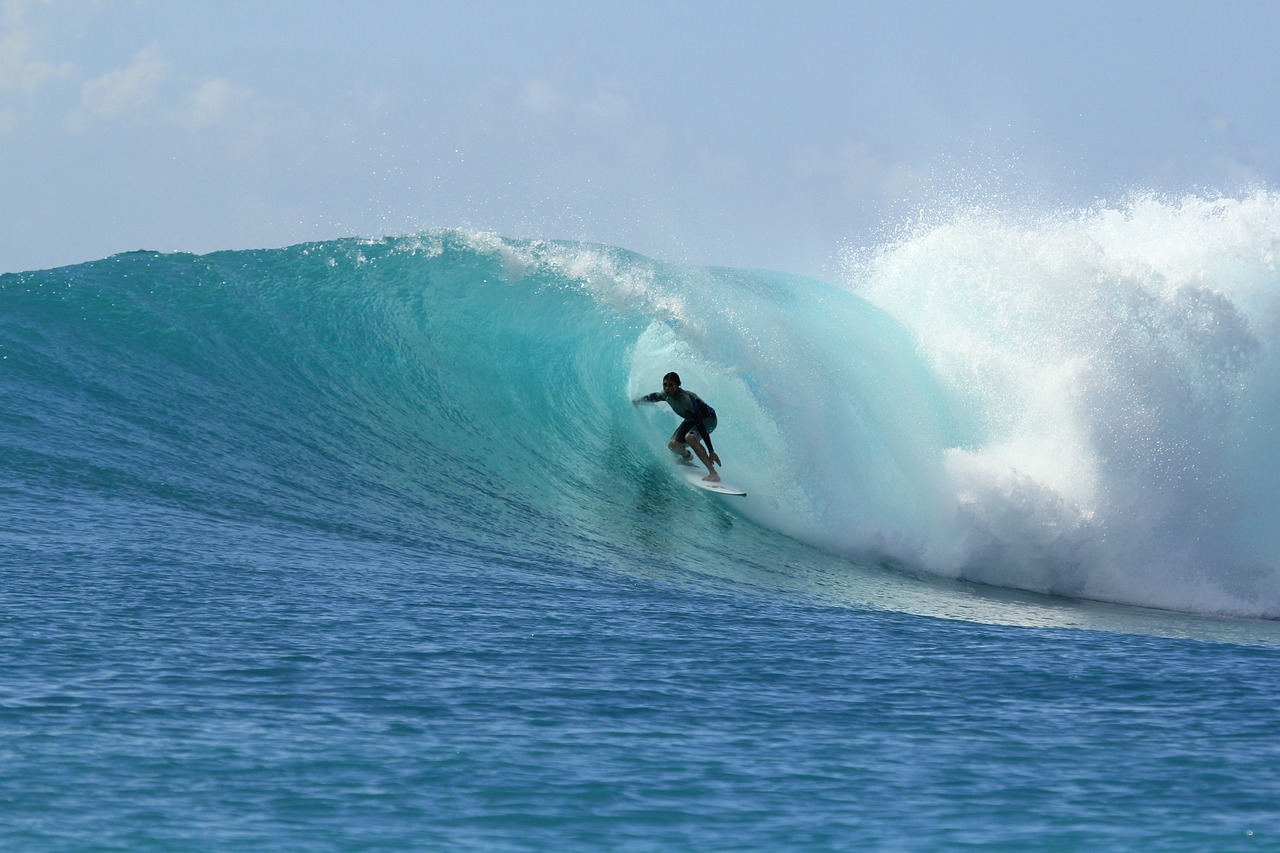
But the outdoor lifestyle extends well beyond the surf break.
Residents can enjoy beach walks, swimming, kayaking, fishing, hiking, wildlife observation, and exploring the area’s mangrove ecosystems. During the appropriate season, turtle observation also provides an opportunity to learn more about the conservation work taking place along the coast.
This can be particularly attractive to families. A weekend in Playa Grande might involve a morning surf lesson, an afternoon at the beach, or an outing through the mangroves rather than the more structured entertainment found in larger resort destinations.
The same environment can appeal to retirees and remote professionals who want a lifestyle where outdoor activities are easily incorporated into the day.
There is also a community element to Playa Grande’s environmental identity. Asociación Playa Grande Sostenible works around the balance between coastal development, community wellbeing, and environmental conservation.
That broader community involvement is important because sustainability is not only a question of how an individual home is built. Long term environmental responsibility also depends on how development is managed across the community.
For residents, that creates a different kind of coastal lifestyle. The goal is not simply to live beside a beautiful beach, but to be part of a community that recognizes the value of the landscape around it.
6. Playa Grande as a Real Estate Investment
Playa Grande is not designed to appeal to everyone, and that can be part of its strength.
Buyers looking for a highly developed resort destination, extensive nightlife, or a dense commercial center may prefer Tamarindo or another established coastal market. Playa Grande offers a quieter alternative with a stronger emphasis on surfing, nature, community, and lower density coastal living.
For real estate investors, this difference is worth considering.
Properties in desirable coastal communities can attract interest from vacation buyers and renters, but investment performance should always be evaluated on an individual property basis. Rental income can be influenced by location, property condition, management, seasonality, pricing, competition, and overall tourism demand.
A beach area alone does not guarantee a successful rental investment.
Instead, investors should look at the complete picture. How close is the property to the beach? Is the home well designed for guests? Does it have appealing outdoor space? How many bedrooms and bathrooms does it offer? Is there parking? What are the operating costs? Is professional property management available? What does the property’s actual rental history show?
These questions provide a much more realistic way to evaluate an investment.
Properties with thoughtful design and strong outdoor spaces may have an additional advantage when marketing to buyers who value the Costa Rican lifestyle. Features such as energy efficiency, solar power, mature landscaping, or climate appropriate architecture can also help distinguish a property, although they should be evaluated as part of the property’s overall value rather than treated as a guarantee of financial performance.
For buyers planning to use a property personally, the equation can be different. A home may provide value through personal use, lifestyle, privacy, and the potential to generate rental income when the owner is away.
The best investment is therefore not necessarily the property with the highest projected return. It is the property that makes sense based on the buyer’s goals, budget, intended use, location preferences, and long term plans.
Final Thoughts
Playa Grande offers a distinctive version of coastal living in Costa Rica. Its appeal comes from the combination of a well known surf beach, protected natural areas, tropical landscapes, and a real estate market that remains closely connected to the surrounding environment.
The presence of Las Baulas National Marine Park gives the area an added layer of environmental importance, while the nearby estuary and mangrove ecosystems provide another way for residents to experience the region’s biodiversity.
For homebuyers, this means there is more to consider than the house itself. The surrounding land, access to the beach, views, vegetation, water supply, zoning, and development potential can all influence the value and suitability of a property.
For those interested in sustainable living, Playa Grande also demonstrates that environmentally conscious design can take many forms. It can involve renewable energy and efficient systems, but it can also be reflected in architecture that responds to the climate, landscaping that respects the land, and homes that make outdoor living a natural part of everyday life.
For investors, the market offers opportunities but requires realistic expectations and careful property specific analysis. Location, rental demand, property condition, operating costs, and management should all be considered before making an investment decision.
At Flamingo Beach Realty, we help buyers explore real estate opportunities throughout Guanacaste, including Playa Grande and surrounding communities. Our goal is to help clients understand not only the property, but also the location, lifestyle, ownership considerations, and investment factors that come with it.
For buyers looking for a Costa Rica home where the beach, outdoor lifestyle, and natural environment are central to everyday living, Playa Grande is a market worth exploring.
Frequently Asked Questions
Is Playa Grande a good place to live in Costa Rica?
Playa Grande can be a strong choice for people who enjoy surfing, beaches, nature, and a quieter coastal lifestyle. The community offers access to outdoor activities while remaining within the broader Guanacaste tourism region.
Is Playa Grande inside Las Baulas National Marine Park?
Playa Grande beach is part of Las Baulas National Marine Park, but not every property in the wider Playa Grande community is located within the protected area. Buyers should confirm the exact location, boundaries, and zoning of any property they are considering.
When is turtle nesting season in Playa Grande?
SINAC identifies the main turtle observation period as October 20 through February 15. Turtle observation is regulated, and visitors must follow park rules designed to minimize disturbance to nesting turtles.
Can foreigners buy real estate in Playa Grande?
Playa Grande has a range of properties available to buyers, including homes, condominiums, and land. International buyers should complete appropriate legal, zoning, environmental, and infrastructure due diligence before purchasing.
Is Playa Grande good for vacation rentals?
Playa Grande’s surfing, beaches, natural attractions, and proximity to Tamarindo can create opportunities for vacation rentals. However, rental performance varies by property. Buyers should review actual rental history, operating expenses, location, management, seasonality, and competition rather than relying on general market assumptions.
What makes a home eco friendly in Costa Rica?
Eco conscious properties can incorporate features such as solar power, passive ventilation, energy efficient appliances, water management systems, native or climate appropriate landscaping, and construction methods suited to the local environment. The specific features vary from property to property.
Is Playa Grande a good choice for an eco conscious buyer?
Playa Grande can appeal to buyers who want their home and lifestyle to be closely connected to nature. Its proximity to protected ecosystems and its conservation focused identity are important considerations. Buyers should still evaluate the specific environmental and sustainability features of each property rather than assuming that every home meets the same standard.