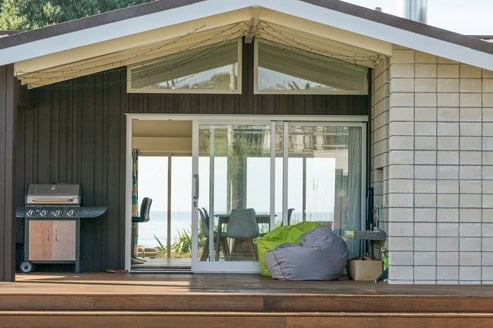

Owning a beachfront home in Guanacaste offers direct access to the Pacific coast, but the coastal climate requires consistent property care. Salt in the air, strong ultraviolet exposure, and seasonal humidity can affect exterior finishes, metal hardware, air conditioning systems, and other parts of a home.
The key to maintaining a beachfront home in Costa Rica is having a plan that accounts for the dry and green seasons. Regular inspections and preventative maintenance can help homeowners identify wear early, manage repair costs, and protect their property’s condition over time.
Table of Contents
- What the Guanacaste Climate Means for Coastal Homes
- The Areas That Need the Most Attention
- A Seasonal Maintenance Plan
- Understanding Coastal Property Maintenance Costs
- Coastal Property Ownership and the Maritime Zone
- Frequently Asked Questions
1. What the Guanacaste Climate Means for Coastal Homes
Guanacaste’s Pacific coast experiences a pronounced dry season followed by months of heavier rainfall. According to the Instituto Meteorológico Nacional (IMN), the Pacific North climate region includes the Guanacaste plains and much of the Gold Coast. Annual rainfall in the region is approximately 1,800 millimeters, with a dry season lasting around five months.
Data from the Las Baulas area, just south of the Gold Coast, illustrates this seasonal pattern. SINAC, Costa Rica’s national system of conservation areas, records annual precipitation there of 1,811.2 millimeters, with approximately 95% falling between May and November and only 4.2% between December and April.
These changing conditions create different maintenance priorities throughout the year. During the dry season, salt can accumulate on windows, railings, fixtures, and outdoor equipment without regular rainfall to rinse it away. During the green season, sustained moisture can affect finishes, wood, indoor furnishings, and ventilation.
For homeowners, understanding this cycle makes it easier to schedule maintenance before minor issues become more expensive repairs.
2. The Areas That Need the Most Attention
Coastal exposure does not affect every part of a property equally. Metal hardware, air conditioning equipment, and exterior finishes deserve particular attention because they are regularly exposed to salt, sun, or moisture.
Metal Fixtures and Hardware
Hinges, fasteners, window tracks, railings, gate motors, outdoor kitchen fittings, and exterior lights can be vulnerable to corrosion in salt air.
The grade of stainless steel can make a difference. Type 316 stainless steel contains molybdenum and generally offers better resistance to chloride corrosion than Type 304, making it a common choice for marine environments.
When buying a beachfront home or reviewing a recent construction project, ask which materials were used for exposed hardware and fixtures. The specifications can help you understand the property’s long-term maintenance requirements.
Air Conditioning Systems
Air conditioning is especially important in Guanacaste’s warm climate, and outdoor condenser units are exposed to coastal conditions. Salt accumulation and corrosion can affect coils and other components, potentially reducing efficiency and contributing to premature wear.
Regular servicing is important for coastal properties. Ask an HVAC professional to recommend an inspection and cleaning schedule based on the home’s distance from the ocean, equipment type, and exposure.
Exterior Paint, Sealants, and Wood
Strong sun can gradually break down paint, stains, and sealants. Decking, pergolas, exterior doors, and other wood features need periodic inspection and refinishing to maintain their protective coating.
If a finish deteriorates before the green season, rain and humidity can reach the underlying material. Addressing peeling paint, cracked sealant, and exposed wood during the dry season can help prevent more extensive repairs later.
3. A Seasonal Maintenance Plan
A maintenance schedule built around Guanacaste’s two main seasons helps homeowners prioritize the right work at the right time.

Dry Season: December Through April
The dry season is generally the best time to plan exterior work that requires dry conditions and adequate curing time.
- Refresh exterior finishes: Inspect and repaint or reseal surfaces as needed, following product and contractor recommendations.
- Rinse salt from exposed surfaces: Use fresh water on suitable windows, screens, railings, and fixtures to reduce salt buildup.
- Service air conditioning: Arrange professional maintenance and coil cleaning before the hottest months.
- Inspect outdoor equipment: Check exterior lights, hinges, gates, and other exposed hardware for corrosion or wear.
Green Season: May Through November
During the green season, the focus shifts toward drainage, moisture control, and protecting the property from sustained rainfall.
- Inspect roofs and gutters: Check for damage, blockages, and areas where water may enter.
- Maintain drainage: Clear drains, swales, and other water pathways to help prevent pooling around the home.
- Manage indoor humidity: Pay particular attention to closed-up homes, closets, cabinetry, and rooms with limited airflow.
- Monitor landscaping: Trim vegetation that grows against walls, blocks drainage, or interferes with the building.
Maintaining a Home Between Visits
A property that remains unoccupied for extended periods needs a clear maintenance plan. Warm, humid conditions and limited airflow can contribute to musty odors, mold growth, and damage to furnishings or cabinetry.
Depending on the home and its systems, useful measures may include humidity control, periodic caretaker visits, air conditioning maintenance, and regular checks for leaks or water intrusion.
The goal is to identify problems while they are still manageable, rather than discovering them after several weeks or months away.
4. Understanding Coastal Property Maintenance Costs
There is no single reliable figure for the annual cost of maintaining a beachfront home in Costa Rica. Expenses vary according to the property’s size, construction materials, exposure to the ocean, landscaping, pool, mechanical systems, and how frequently the home is occupied.
A condominium in a managed development has different responsibilities from a freestanding villa exposed directly to the elements. The best way to estimate costs is to review the specific property’s maintenance history and expected annual expenses.
HOA Fees and Property Management
Homeowners association (HOA) fees can cover shared areas and services, but the amount and scope vary by development. Some communities have relatively modest monthly dues, while resort-style developments with extensive amenities may charge substantially more.
Before purchasing, request the current HOA fee schedule and confirm what it covers. Review the association’s maintenance responsibilities, reserve funds, and any planned assessments where those records are available.
For a home that will be rented, professional property management is another potential expense. Management fees depend on the services provided and the terms of the agreement. Confirm the actual fee, whether it is calculated on gross or net rental revenue, and which maintenance costs are billed separately.
Build a Budget Around the Property
Rather than relying on a broad estimate, request:
- Current HOA dues and a breakdown of included services.
- Available maintenance and repair records.
- Details of air conditioning, pool, landscaping, and exterior maintenance contracts.
- Any known repairs or upcoming community assessments.
- The property manager’s agreement and fee schedule, if applicable.
Flamingo Beach Realty’s experience across Guanacaste’s real estate market provides local context when comparing properties. However, the condition of an individual home and its maintenance history are more useful for budgeting than its purchase price alone.
5. Coastal Property Ownership and the Maritime Zone

Costa Rica’s Maritime Terrestrial Zone Law, Law No. 6043, governs much of the country’s coastal land. The general framework includes a 50-meter public zone measured from the ordinary high tide line and a further 150-meter restricted zone, subject to the law and applicable exceptions.
The public zone generally cannot be privately owned. In the restricted zone, property rights often involve a concession rather than ordinary fee-simple ownership. The legal status of an individual parcel must be verified, as not every property near the coast follows the same ownership structure.
This distinction matters when planning renovations or additions. Properties subject to concession arrangements may have specific conditions governing construction, alterations, permits, and use. Confirm these requirements before committing to significant work.
For a closer look at the differences, read our guide to fee-simple and concession property in Costa Rica.
Coastal exposure also varies by location. Homes directly beside the ocean may experience more salt spray than properties set farther inland or in the hills. Communities such as Las Catalinas and Playa Flamingo offer different settings, access, and property types to consider when choosing a home.
Our guide to living in Playa Flamingo provides more insight into the area, and you can browse available properties in Guanacaste to compare locations and homes.
This information is for general educational purposes and is not legal or tax advice. Consult an independent Costa Rican real estate attorney regarding ownership rights, concessions, and renovation requirements.
Frequently Asked Questions About Maintaining a Beachfront Home
How much faster does a beachfront home deteriorate in Costa Rica?
There is no single percentage or multiplier that applies to every beachfront home. Deterioration depends on factors such as distance from the ocean, wind exposure, building materials, construction quality, and maintenance. Metal hardware and exterior finishes often deserve particular attention because they are directly exposed to coastal conditions.
What type of stainless steel is best near the ocean?
Type 316 stainless steel generally offers better resistance to chloride corrosion than Type 304. It can be a useful specification for exposed coastal hardware, although the appropriate material depends on the application and environment.
Does an empty house need maintenance during the green season?
Yes. A home left closed for extended periods may develop moisture problems, especially if ventilation and humidity are not managed. Regular property checks, prompt attention to leaks, and an appropriate humidity-control plan can help protect furnishings and interior finishes.
When should exterior painting and sealing be done?
The dry season, generally December through April in Guanacaste, is often the most practical period for exterior painting and sealing. Actual timing depends on weather conditions and the product manufacturer’s requirements for application and curing.
Is a condominium easier to maintain than a freestanding home?
Often, yes. A condominium association may coordinate exterior upkeep and shared systems, reducing the number of tasks the individual owner handles directly. Owners should still review what the HOA covers, how maintenance decisions are made, and whether the association has adequate reserves.
Can the Maritime Zone affect renovations?
Yes. Depending on the property’s legal status and location, coastal regulations or concession conditions may affect additions, alterations, and rebuilding. Have an independent Costa Rican attorney confirm the applicable requirements before planning substantial renovations.
What should I inspect before buying a beachfront home?
Pay attention to exposed metal hardware, air conditioning equipment, roof condition, flashing, drainage, exterior paint, sealants, and wood finishes. Request available maintenance records and, where applicable, HOA documents. A qualified inspector can help identify issues that may not be obvious during a viewing.
Protecting Your Investment on the Guanacaste Coast
A beachfront home requires ongoing attention, but a clear maintenance plan can help protect its condition and make ownership more predictable. Understanding the effects of salt, sun, and seasonal humidity is a practical first step when buying or caring for a coastal property.
The team at Flamingo Beach Realty brings decades of local experience to help buyers find the right property in Guanacaste. Contact us today to start your Costa Rica real estate journey.