
Costa Rica attracts people from around the world with its natural beauty, welcoming communities, and relaxed pace of life. For those considering a permanent move, retirement, or a real estate investment, safety is an important part of choosing where to settle.
One of the most common questions prospective residents ask is: Which side of Costa Rica is safest to live on?
The answer is not as simple as choosing the Pacific Coast over the Caribbean Coast, or the coast over the Central Valley. Safety can vary considerably between neighborhoods, and no region is free from crime. The type of property, its surroundings, access to services, and the precautions residents take can all influence their experience.
Costa Rica’s crime situation also deserves a realistic assessment. The U.S. Department of State advises travelers to exercise increased caution because of crime, noting that theft occurs throughout the country and that violent crime also affects visitors. This makes it important for prospective residents to research individual locations rather than rely on broad regional reputations.
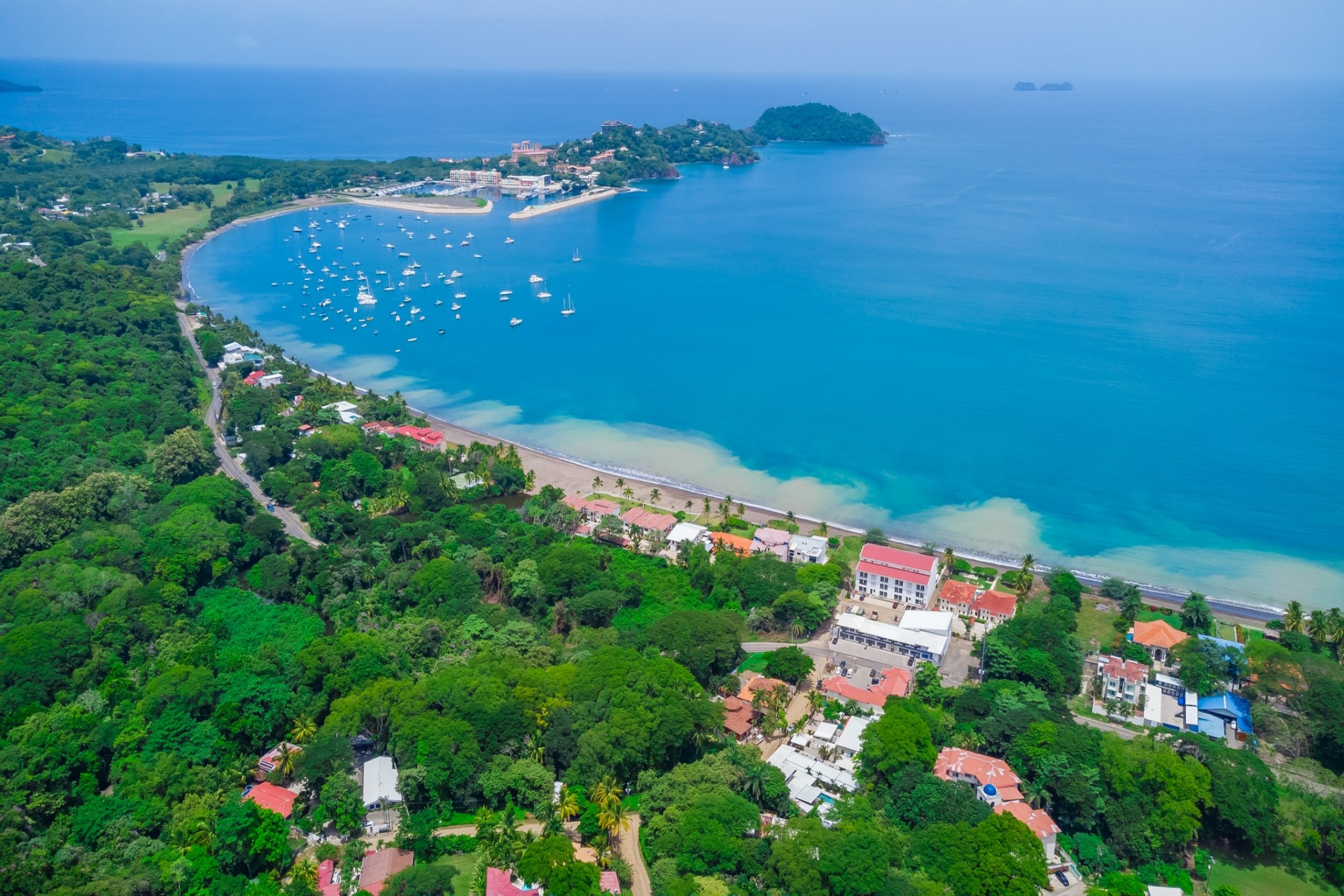
For people exploring Costa Rica real estate, Guanacaste and its Pacific Coast communities offer an appealing combination of coastal living, established residential developments, and access to services. However, the right location depends on your priorities and the specific property you choose.
What to Know About Safety in Costa Rica
Costa Rica has a long-established democratic system and abolished its standing army in 1948. These are important parts of the country’s history, but they should not be treated as proof that every area is safe today.
As in other countries, safety concerns can include theft, burglary, robbery, and more serious crime. Risks may differ between busy urban areas, tourist destinations, remote rural properties, and residential communities.
It helps to assess safety across four areas:
-
Personal safety: The surrounding streets, access routes, lighting, and conditions when walking or traveling at different times of day.
-
Home security: The property’s doors, windows, lighting, alarm systems, and access controls.
-
Community environment: Neighborhood activity, occupied homes, local security arrangements, and communication among residents.
-
Access to services: The distance to healthcare, emergency services, police, shops, and reliable transportation.
These considerations are especially relevant for buyers planning to live in Costa Rica year-round or leave a home unoccupied for part of the year.
Pacific Coast vs. Caribbean Coast: Which Is Safer?
Both coasts offer distinctive lifestyles, established communities, and beautiful natural surroundings. Neither should be labeled universally safer based on geography alone.
The Pacific Coast

The Pacific Coast includes a wide range of places to live, from established towns with restaurants and everyday services to quiet coastal communities and properties in more remote settings.
In Guanacaste, destinations such as Playa Flamingo, Tamarindo, Playa Potrero, Playa Grande, and Las Catalinas appeal to people seeking a coastal lifestyle. Some neighborhoods offer gated entrances, condominium security, or private security services. Others are more open, with homes spread across residential streets or hillsides.
The practical advantages of a particular location may include access to shops, healthcare, schools, main roads, and an active residential community. However, these features vary by town and neighborhood. Popularity with visitors or foreign residents does not, on its own, establish a lower crime rate.
For buyers, the best approach is to investigate the specific area and property rather than assume that all Pacific Coast communities offer the same level of safety.
The Caribbean Coast

Costa Rica’s Caribbean Coast offers its own cultural identity, tropical landscapes, beaches, and established communities, including Puerto Viejo and Cahuita.
The region should not be described as inherently unsafe or less suitable for long-term living. Conditions vary by location, just as they do on the Pacific side. Travelers should, however, take theft precautions seriously. The UK government’s travel guidance identifies theft and mugging as significant concerns, particularly on the Atlantic coast, while also warning about crime in urban areas and popular visitor destinations elsewhere in the country.
If you are considering a property on the Caribbean Coast, assess the immediate neighborhood, road access, security features, and proximity to services. Speak with residents and visit the area at different times of day before making a decision.
What About the Central Valley?
The Central Valley, including parts of San José and surrounding communities such as Escazú, Santa Ana, Atenas, and Grecia, offers access to major hospitals, commercial services, and urban infrastructure. The area includes a broad range of residential settings, from busy city neighborhoods to quieter suburban and rural communities.
Safety differs significantly between districts. Buyers should research the particular neighborhood, transportation routes, and security arrangements rather than assume that a suburban address guarantees a lower risk.
The Central Valley may be a strong option for people who prioritize access to healthcare and city services. For those who want to live close to the beach, Guanacaste and other coastal regions may be a better lifestyle fit.
Areas to Consider When Choosing Where to Live in Costa Rica
Rather than ranking regions from safest to least safe, it is more useful to compare their lifestyles, infrastructure, and practical considerations. The following locations are worth researching, but none should be treated as a safety guarantee.
1. Guanacaste: Coastal Communities and Residential Developments

Guanacaste, in northwestern Costa Rica, is popular with people looking for beach access, outdoor recreation, and a mix of full-time residential and vacation properties. The province includes established towns, growing residential communities, rural areas, and resort-style developments.
Communities around Playa Flamingo, Potrero, Tamarindo, and Playa Grande offer different levels of convenience and different property types. Some condominium complexes and gated developments have controlled entry or security services, while other homes rely on individual security measures.
What to evaluate:
-
How close the property is to everyday services and main roads.
-
Whether security is provided on-site, and what that service includes.
-
How well the property is maintained and secured when unoccupied.
-
Whether the neighborhood remains active outside the high tourist season.
-
Access to clinics, emergency care, and transportation.
For buyers considering Guanacaste real estate, a well-maintained home in a carefully selected neighborhood may provide a good fit for their needs. However, security arrangements should be verified directly, and no community should be described as crime-free.
2. Escazú and Santa Ana: Access to Urban Services
Escazú and Santa Ana, west of San José, are established residential and commercial areas with shopping, restaurants, medical facilities, and a variety of housing options. Some neighborhoods include gated communities, condominiums, and homes with private security.
These areas can appeal to retirees, families, and professionals who want convenient access to urban services without living in the center of San José.
What to evaluate:
-
Traffic and daily travel times.
-
The security conditions of the specific neighborhood.
-
Access to hospitals and other essential services.
-
The property’s entry points, parking, and security arrangements.
These communities may be practical for people who prioritize convenience, but safety should be assessed at the neighborhood level.
3. Sámara and Carrillo: Smaller Coastal Communities

Sámara and nearby Carrillo offer a more relaxed coastal environment on the Nicoya Peninsula. Residents may be drawn to the beaches, local businesses, outdoor activities, and smaller-town atmosphere.
As with other coastal locations, the setting can change considerably from the town center to rural roads and hillside properties. A home that feels close to the community during the day may be more isolated at night or during the rainy season.
What to evaluate:
-
Road conditions and access during heavy rain.
-
Distance to healthcare, shops, and emergency services.
-
Lighting and occupancy on nearby streets.
-
Security for homes that will be vacant for extended periods.
These areas can suit people seeking a quieter pace of life, provided the location and access arrangements meet their practical needs.
4. Dominical, Uvita, and Ojochal: Nature-Focused Living

The Southern Pacific region offers rainforest, beaches, mountain views, and a mix of small towns and rural residential properties. Dominical, Uvita, and Ojochal attract residents looking for outdoor recreation and a quieter setting.
In more rural locations, home security is only one part of the decision. Road access, drainage, landslide exposure, flooding, and travel time to medical services may also affect daily life.
What to evaluate:
-
Whether the access road is suitable year-round.
-
Drainage and flood exposure on the property.
-
Distance to healthcare and emergency services.
-
Neighboring homes and the availability of property management.
-
How the property can be secured when the owner is away.
A remote setting can offer privacy and beautiful surroundings, but buyers should understand the trade-offs before committing.
5. La Fortuna and the Arenal Region: Inland Living

La Fortuna and the wider Arenal region appeal to people who prefer a greener inland environment, with access to nature, tourism services, and outdoor activities. The area offers a different lifestyle from the Pacific beach towns.
For prospective residents, it is important to look beyond the scenery and assess the property’s location, nearby services, and access during periods of heavy rain. Rural homes may require more planning for transportation, maintenance, and security when unoccupied.
What to evaluate:
-
Access to shops, healthcare, and other daily services.
-
Road conditions in wet weather.
-
Property maintenance and security arrangements.
-
The distance to emergency assistance.
The Arenal region may be a good option for buyers seeking an inland lifestyle, but its suitability depends on the individual property’s location and needs.
Are Gated Communities Safer in Costa Rica?
Gated communities and condominiums can offer security features that are useful to residents, including controlled entrances, on-site guards, cameras, perimeter fencing, and shared maintenance. However, the presence of a gate does not guarantee that a property or neighborhood is safe.
Security arrangements differ from one development to another. Some have staffed entrances around the clock; others may offer limited hours, remote monitoring, or no dedicated security staff. Buyers should confirm the current arrangements rather than rely solely on a listing description.
When evaluating a gated community in Guanacaste, ask:
-
Is security staffed 24 hours a day, or only at certain times?
-
Are entrances monitored, and how are visitors verified?
-
Are cameras or perimeter systems maintained?
-
What security services are included in the monthly community fee?
-
Are there procedures for reporting incidents and contacting management?
-
Does the property have additional security measures of its own?
Communities such as Mar Vista, Las Catalinas, and developments around Playa Flamingo and Potrero offer different residential settings. Their security features should be checked individually, as services and access policies can vary by property and community.
Safety Considerations When Buying Property in Costa Rica
A home’s location and design can affect its security and your peace of mind. Before making an offer, consider the following.
Visit the Property at Different Times
A daytime viewing gives you only part of the picture. If possible, visit the surrounding area during the evening and ask local residents about lighting, traffic, noise, and security concerns. Check whether nearby businesses and homes are occupied throughout the year.
Assess the Home’s Security
Look at doors, windows, locks, outdoor lighting, parking, and access points. Ask whether the property has an alarm, cameras, or a monitored security system, and confirm that any equipment is functional. If you are buying a home that will remain empty for periods of time, consider arranging reliable property management and regular inspections.
Check Access and Emergency Services
A remote property may offer privacy but can take longer to reach from healthcare facilities or emergency services. Confirm realistic travel times, road conditions, and whether the route is passable during the rainy season. Do not rely on straight-line distance alone.
Understand the Community’s Responsibilities
For condominiums and gated developments, review the community rules, fees, and service arrangements. Ask who is responsible for maintaining gates, lighting, cameras, and shared areas. If security is provided by a third party, request details of the current service.
Research the Area With Current Information
Crime patterns and local conditions can change. Speak with neighbors, property managers, and local authorities where appropriate. Official crime information from Costa Rica’s judicial and public security institutions can also help you understand reported trends, although national or provincial figures may not reflect conditions on a particular street. The country’s Observatory of Violence publishes crime data and related analysis.
Everyday Safety Tips for Expats and Homeowners
Regardless of where you settle, a few consistent habits can help reduce avoidable risks.
-
Protect valuables. Avoid leaving phones, bags, or other valuables unattended on beaches or visible inside parked vehicles. The U.S. Department of State recommends staying aware of your surroundings and avoiding displays of expensive jewelry or other signs of wealth.
-
Secure your home. Lock doors and windows, use outdoor lighting where appropriate, and consider an alarm or camera system suited to the property.
-
Plan for time away. Arrange for a trusted property manager or caretaker to check the home regularly if you travel or live abroad for part of the year.
-
Be thoughtful after dark. Use well-lit routes, take care in unfamiliar areas, and avoid walking alone on isolated streets or beaches at night.
-
Drive carefully. Learn the local road conditions, allow extra time in rainy weather, and avoid assuming that rural or coastal routes will be easy to navigate.
-
Keep emergency information accessible. Save local emergency contacts and know how to describe your location clearly if you need assistance. Costa Rica’s emergency number is 9-1-1.
These precautions are useful in both busy towns and quieter residential areas. They are not a substitute for researching a location, but they can form part of a sensible approach to living in Costa Rica.
How Safety Can Affect a Real Estate Decision
Safety is one part of choosing a property, alongside location, lifestyle, long-term costs, and access to services. It can also influence how practical a home will be for full-time living or occasional use.
For example, a condominium with managed access may suit an owner who spends several months abroad. A home close to shops and healthcare may be more convenient for someone planning to retire in Costa Rica. A private hillside property may offer more space and privacy, but require additional planning for maintenance, access, and security.
It is important not to assume that security features automatically lead to higher resale value or rental income. Those outcomes depend on many factors, including location, property condition, market demand, community fees, and the property’s overall appeal.
Before purchasing, review the full cost of ownership. Consider security services, insurance, maintenance, property management, and any community fees. For a rental property, also understand your responsibilities as a landlord and the arrangements needed to manage the home when you are not present.
For buyers exploring Guanacaste, working with local real estate professionals can help you compare communities, understand property types, and identify questions to investigate during due diligence. Independent legal, insurance, and property inspections may also be appropriate before completing a purchase.
For a town-by-town look, see our guide to the safest places to live in Costa Rica for Americans.
Frequently Asked Questions
1. Which side of Costa Rica is safest to live on?
There is no reliable basis for declaring the entire Pacific Coast, Caribbean Coast, or Central Valley the safest. Conditions vary by town and neighborhood. Evaluate the specific property, local crime information, access to services, and security arrangements before deciding where to live.
2. Is Guanacaste a safe place for expats and retirees?
Guanacaste offers a variety of established towns and residential developments that appeal to expats, retirees, and families. As elsewhere in Costa Rica, safety varies by location. Research the neighborhood, visit at different times, and check the property’s security features and access to healthcare and emergency services.
3. Are gated communities in Costa Rica safer than standalone homes?
A gated community may provide features such as controlled entry, guards, cameras, or shared security systems. However, these features vary, and a gate alone does not guarantee safety. Compare the actual services, maintenance standards, access policies, and costs with the security arrangements you could establish at a standalone home.
4. Is the Caribbean Coast of Costa Rica safe to live on?
The Caribbean Coast includes a range of towns and residential settings, and it should not be treated as uniformly unsafe. Theft and other crime risks exist, as they do elsewhere in the country. Research the specific neighborhood and property, speak with residents, and consider access to services and transportation.
5. What should I check before buying a home in Costa Rica?
Visit the property and surrounding area at different times, assess doors and windows, confirm any advertised security services, review community fees, and check access to healthcare and emergency assistance. If the home will be vacant for extended periods, consider reliable property management. Independent legal and property due diligence is also important.
6. Is Costa Rica safe for families living there full-time?
Many families choose to live in Costa Rica, but the right location depends on their needs. Consider neighborhood conditions, school access, healthcare, transportation, road safety, and the property’s security. Visit the area and confirm practical details before committing to a long-term move.
7. What is the emergency number in Costa Rica?
Costa Rica’s national emergency number is 9-1-1. Residents should save it in their phones and know the property’s address or location details so they can communicate clearly when requesting assistance.
Finding the Right Place to Call Home in Guanacaste
Choosing where to live in Costa Rica is about more than selecting a coastline. It means finding a community and property that fit your daily routine, security expectations, and long-term plans.
Guanacaste offers a range of possibilities, from the established coastal communities of Playa Flamingo, Tamarindo, Potrero, and Playa Grande to private residences and gated developments farther inland. Each has its own character, amenities, and practical considerations.
At Flamingo Beach Realty, we help buyers explore real estate throughout Guanacaste with local knowledge and a clear understanding of their goals. As you compare properties, we encourage you to look closely at location, access, community services, and the security features that matter to you.
Explore Guanacaste real estate with Flamingo Beach Realty and find a property that suits your lifestyle and priorities.