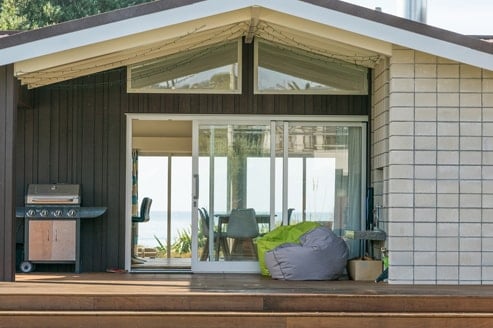
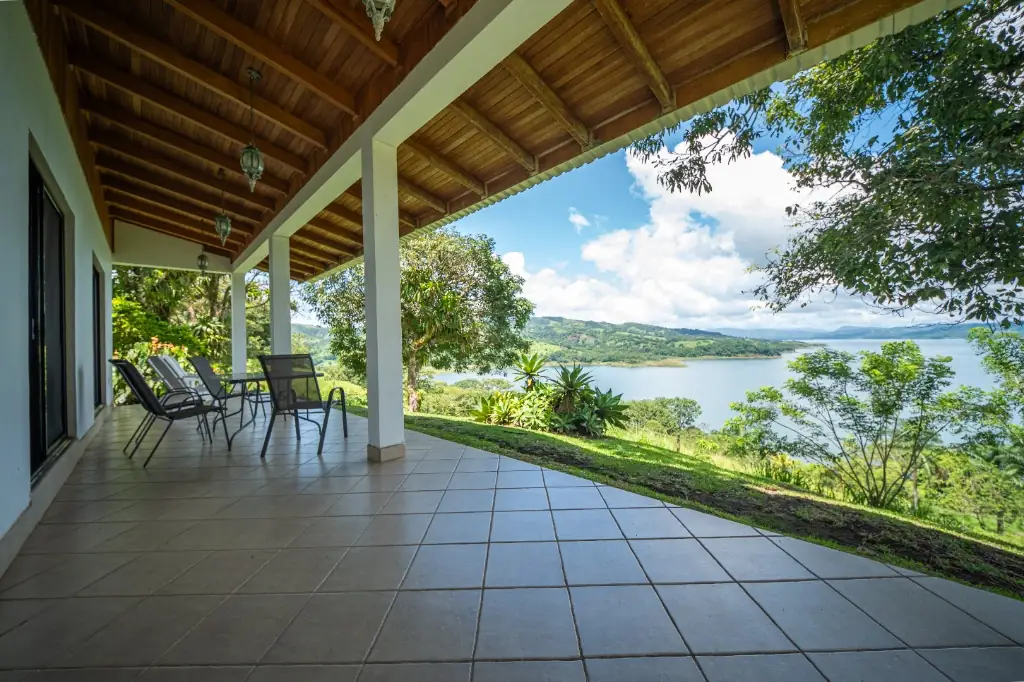
Sustainability is shaping the future of sustainable homes for sale Costa Rica, particularly across Guanacaste’s Gold Coast. Buyers exploring Guanacaste real estate listings are not only prioritizing location and lifestyle, they are also evaluating long-term environmental responsibility, infrastructure resilience, and community impact.
From renewable energy adoption to conservation-driven zoning, sustainability in Guanacaste is not a marketing angle. It is a structural part of how the region grows. Whether you are purchasing a second home, investing in development-ready land, or relocating full time, understanding sustainability trends can help you make a more informed decision.
Table of Contents
- A Region Grounded in Conservation
- Renewable Energy and Infrastructure
- Sustainable Developments Across Guanacaste
- Long-Term Value of Responsible Living
- Community-Driven Environmental Stewardship
- What to Look for When Buying Sustainably
- Frequently Asked Questions
A Region Grounded in Conservation
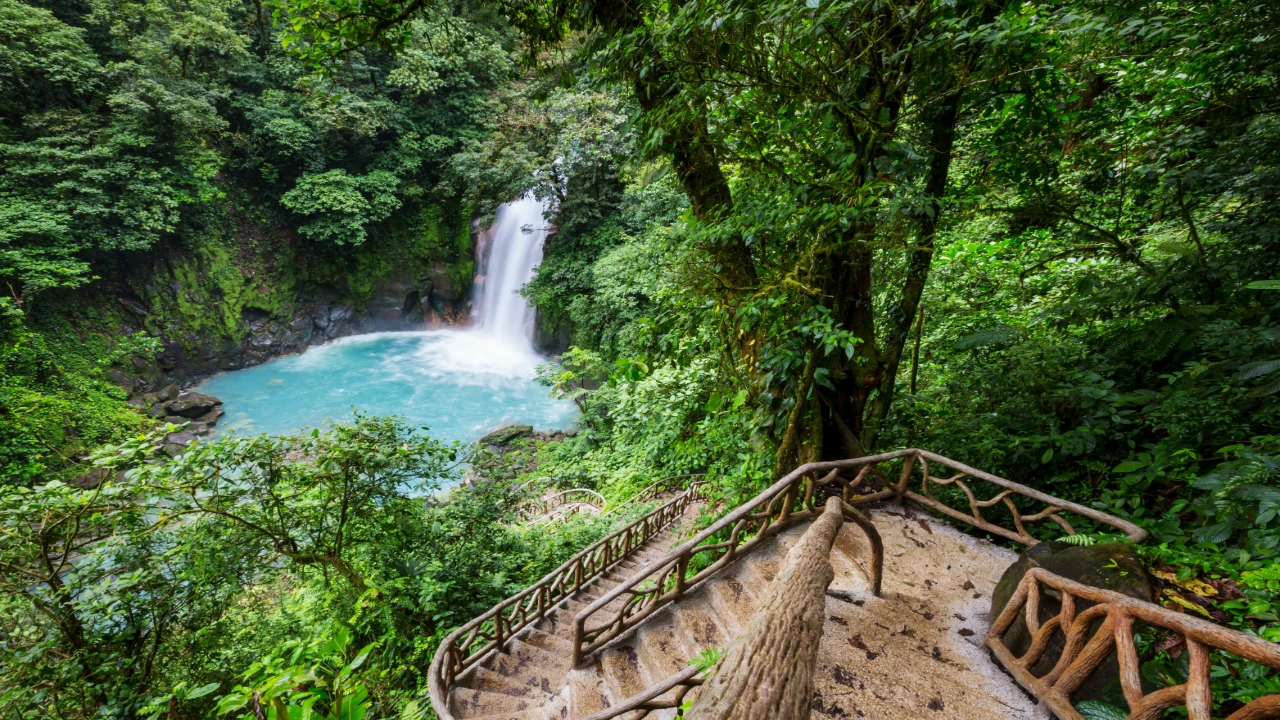
Guanacaste’s environmental identity is rooted in conservation. The region is home to protected forests, diverse wildlife, and extensive coastal ecosystems that have shaped its approach to development for decades. Careful land management and a strong commitment to preserving natural resources have helped maintain the area’s unique character while supporting sustainable growth.
Costa Rica has designated more than 25 percent of its land as protected areas. In Guanacaste, national parks such as Santa Rosa, Rincón de la Vieja, and Palo Verde preserve dry forest ecosystems, wetlands, and volcanic landscapes.
This long-standing commitment to conservation impacts real estate in meaningful ways:
- Limits overdevelopment in sensitive areas
- Protects surrounding landscapes and wildlife
- Maintains long-term visual appeal and ecological balance
- Reinforces zoning discipline in coastal communities
For buyers exploring ocean view homes Guanacaste or development-ready land, proximity to protected areas can enhance long-term desirability. Environmental protections help ensure that natural surroundings remain intact, which supports both lifestyle quality and resale strength.
Renewable Energy and Infrastructure in Guanacaste
Guanacaste plays an important role in Costa Rica’s renewable energy network. The region hosts geothermal and wind energy projects that contribute to the national grid.
Costa Rica generates more than 98 percent of its electricity from renewable sources. For homeowners and developers, this provides several advantages:
- Cleaner national energy profile
- Alignment with global sustainability standards
- Reduced carbon footprint for properties connected to the grid
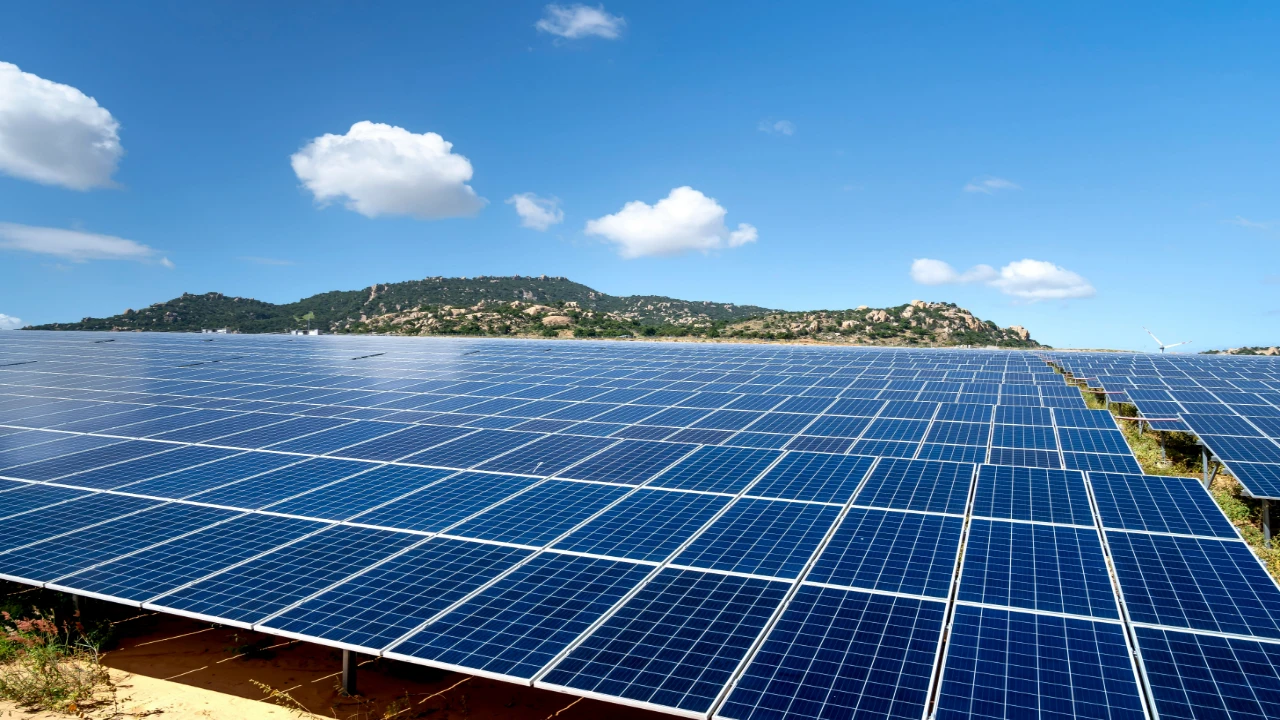
Across Guanacaste real estate listings, many new construction homes now integrate:
- Solar panel systems
- Energy-efficient appliances
- Passive cooling design
- Water conservation systems
These features are becoming increasingly relevant to international buyers seeking eco luxury real estate Costa Rica and net zero homes Guanacaste. Sustainability is evolving from optional to expected in certain buyer segments.
Sustainable Developments Across Guanacaste
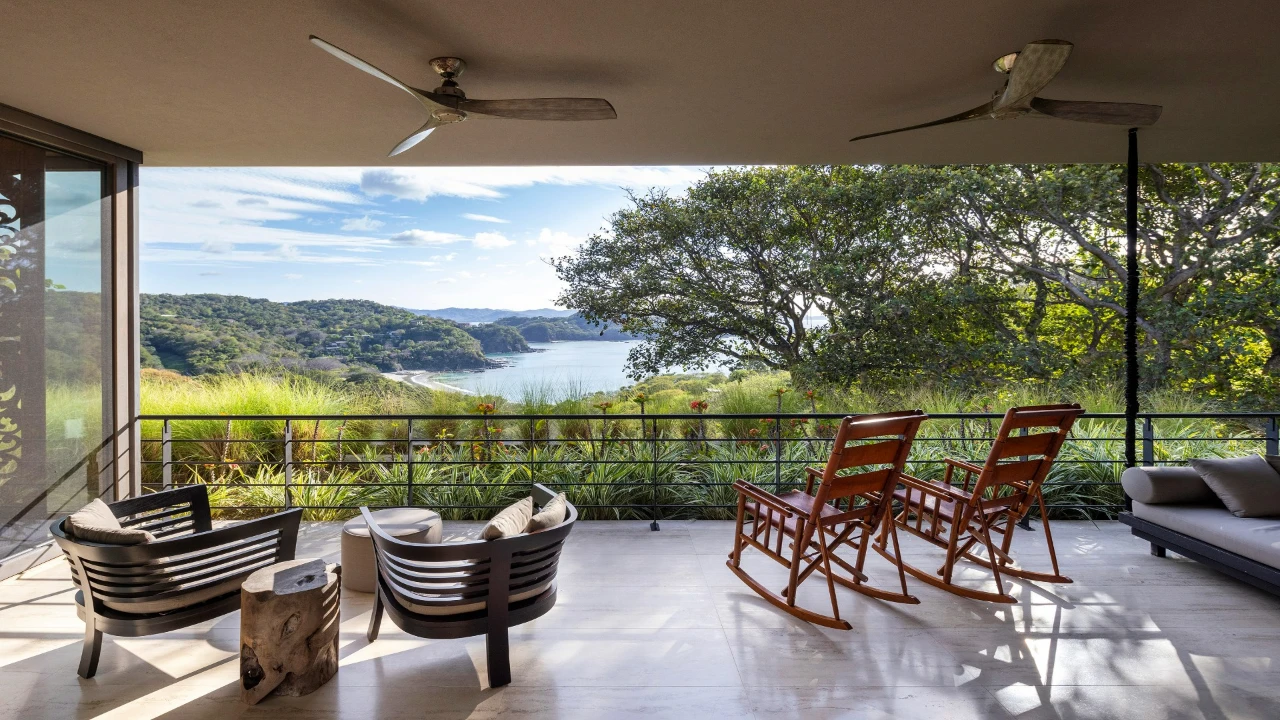
Sustainable design is now integrated into many communities throughout Guanacaste, reflecting Costa Rica’s long standing commitment to environmental stewardship and responsible growth.
In Tamarindo, developers are incorporating natural ventilation, energy efficient layouts, and solar integration into beachfront condominiums. In areas such as Playa Negra and other jungle adjacent communities, homes are often positioned to preserve existing trees and follow the natural contours of the land, minimizing disruption to local ecosystems.
One of the region’s leading examples of sustainability driven development is Peninsula Papagayo. This master planned luxury community has adopted a comprehensive approach to environmental conservation, with significant portions of the peninsula preserved as protected tropical dry forest. The community emphasizes habitat restoration, wildlife protection, responsible water management, and low impact development practices that work with the surrounding landscape rather than against it.
Peninsula Papagayo has also implemented initiatives focused on reforestation, marine conservation, and biodiversity monitoring through partnerships with environmental organizations and local conservation programs. Many of its properties are designed with energy efficiency, natural ventilation, and sustainable landscaping principles that reduce long term environmental impact while enhancing the overall living experience.
Key sustainable elements commonly found throughout Guanacaste include:
- Rainwater harvesting systems
- Solar energy integration and energy efficient building design
- Reclaimed or locally sourced construction materials
- Native landscaping that significantly reduces irrigation needs
- Community green spaces and protected natural areas
- Preservation of existing trees and wildlife corridors
Buyers interested in gated community homes in Guanacaste are increasingly asking about infrastructure resilience, environmental certifications, water management systems, and long term sustainability practices before making purchasing decisions.
From an investment perspective, environmentally responsible development often aligns with evolving building standards and the expectations of international buyers who prioritize sustainability, helping support both property value and long term market appeal.
Long-Term Value of Responsible Living
Sustainability is becoming one of the most important factors influencing real estate decisions around the world, and Costa Rica is no exception. Homebuyers and investors are increasingly seeking properties that combine comfort, modern design, and environmental responsibility. Communities that embrace sustainable development often offer stronger long term resilience, lower operating costs, and a healthier living environment.
Sustainability influences both lifestyle and market positioning. Eco conscious homes and communities are often better equipped to adapt to future environmental and economic changes, making them an attractive choice for buyers looking for lasting value. As demand for responsible development continues to grow, sustainable properties are increasingly viewed as a smart investment for both personal enjoyment and long term appreciation.
Benefits of environmentally conscious properties include:
- Lower long-term utility expenses through efficient systems
- Healthier indoor air circulation via passive design
- Stronger alignment with eco-tourism demand
- Broader appeal among global buyers
In areas such as Playa Hermosa, Playa Potrero, and Tamarindo, buyers are increasingly seeking homes that balance comfort with environmental awareness.
For investors evaluating Costa Rica rental income properties, eco-conscious design can support marketability among remote workers and wellness-focused travelers.
Sustainable features do not guarantee appreciation. However, they often support liquidity, buyer interest, and resilience in competitive markets.
Community-Driven Environmental Stewardship
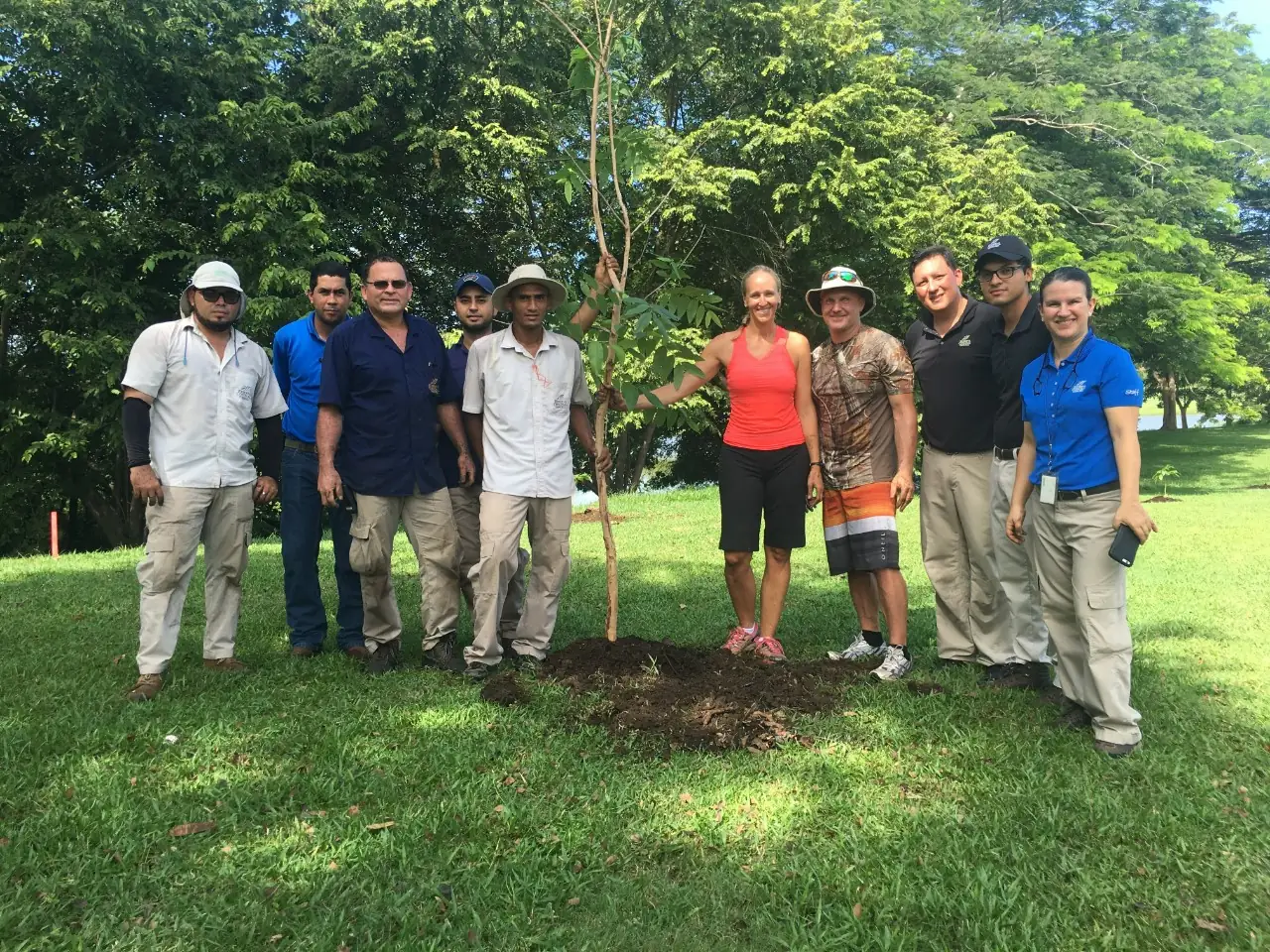
Sustainability in Guanacaste extends beyond architecture.
Communities such as Nosara, Potrero, and Playa Hermosa regularly organize beach cleanups, tree-planting initiatives, and environmental education programs. Local nonprofits and grassroots organizations promote plastic reduction and conservation awareness.
Many residential developments actively support these initiatives through:
- Local hiring practices
- Conservation partnerships
- Infrastructure improvements
- Community composting programs
Living in Guanacaste often means participating in a culture that values environmental stewardship and responsible growth.
What to Look for When Buying Sustainable Homes in Guanacaste
If sustainability is a priority, consider the following checklist:
1. Green Building Practices
Look for passive cooling design, energy-efficient systems, and construction suited to tropical climates.
2. Water Management
In drier parts of Guanacaste, confirm water availability, rainwater capture systems, and responsible usage planning.
3. Legal and Zoning Clarity
Environmental compliance and proper permitting protect both value and long-term usability.
4. Community Infrastructure
Assess whether the development supports green spaces, waste management systems, and native landscaping.
5. Location Fundamentals
Properties near protected zones or in well-planned communities often benefit from stronger long-term positioning.
Working with a brokerage that understands zoning, concession versus titled land distinctions, and local infrastructure regulations ensures your purchase aligns with both your values and your financial goals.
Frequently Asked Questions
Are sustainable homes more expensive in Guanacaste?
Pricing depends on location, design, and infrastructure. Sustainable features can increase upfront costs but may support long-term efficiency.
Does Costa Rica use renewable energy?
Yes. More than 98 percent of the country’s electricity is generated from renewable sources.
Are eco-friendly developments common in Guanacaste?
Yes. Many new projects incorporate solar systems, water conservation, and passive cooling design.
Do protected areas affect property value?
Environmental protections can help preserve surrounding landscapes, which supports long-term desirability.
What should I verify before buying sustainable property?
Confirm legal title, water access, zoning compliance, and infrastructure documentation.
Can foreigners buy sustainable homes in Costa Rica?
Yes. Foreigners have equal ownership rights for titled property.
Is sustainability important for rental properties?
Eco-conscious features can improve appeal among wellness-focused and environmentally aware travelers.
Should I prioritize sustainability over location?
Location fundamentals remain essential. The strongest investments balance geography, infrastructure, and environmental design.