
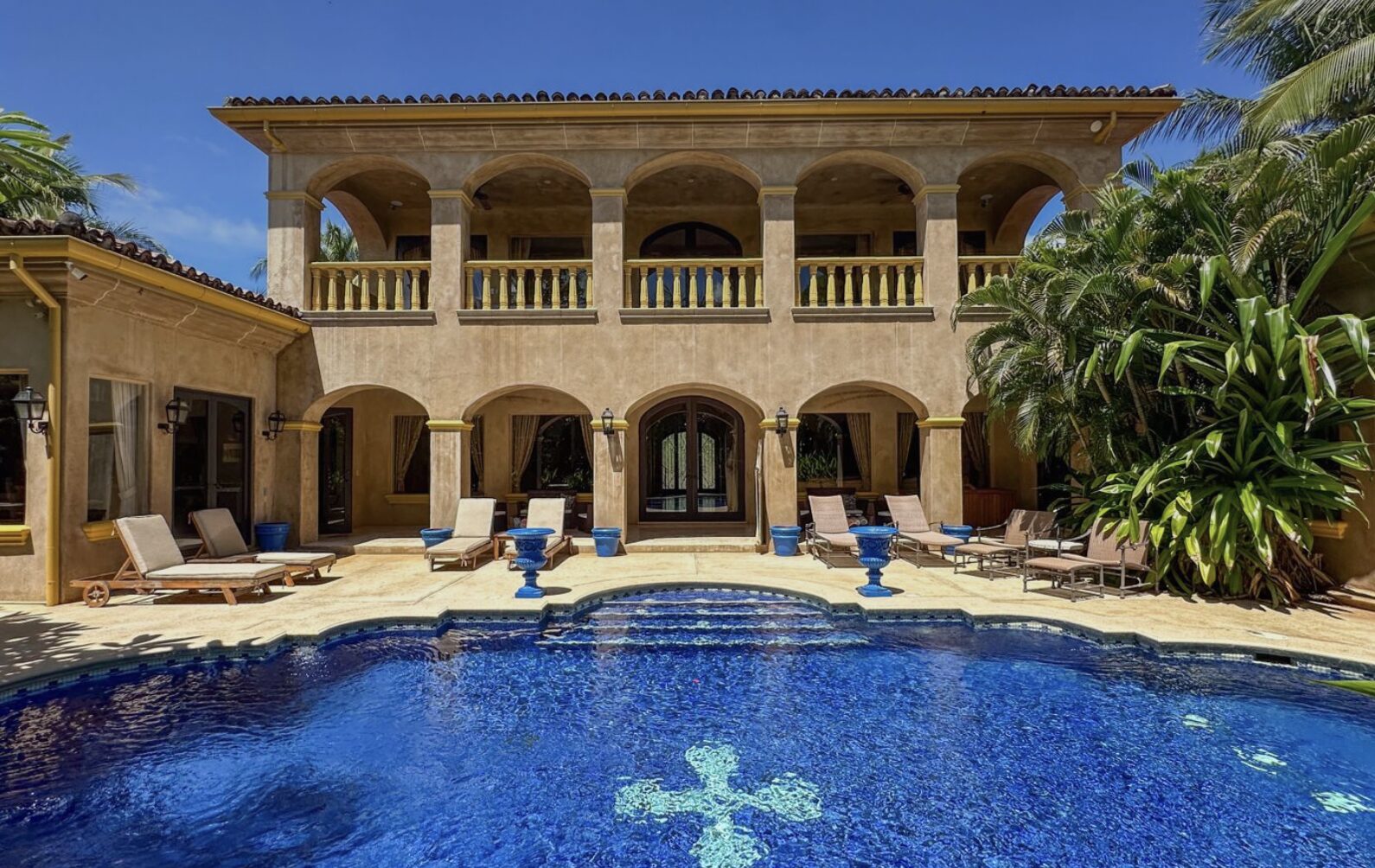
Picture this: a sun-drenched morning at Playa Flamingo, a cup of Costa Rican coffee in hand, Pacific waves glittering just beyond the terrace of your own home. For thousands of international buyers, this isn’t a daydream — it’s a reality they made happen.
Costa Rica consistently ranks as one of the top destinations in the world for foreign property buyers, and the legal framework here is genuinely one of the most welcoming in Latin America. But before you fall in love with a listing or wire a deposit, you need to understand exactly how property ownership works for non-citizens — including the one important exception that catches even experienced investors off guard.
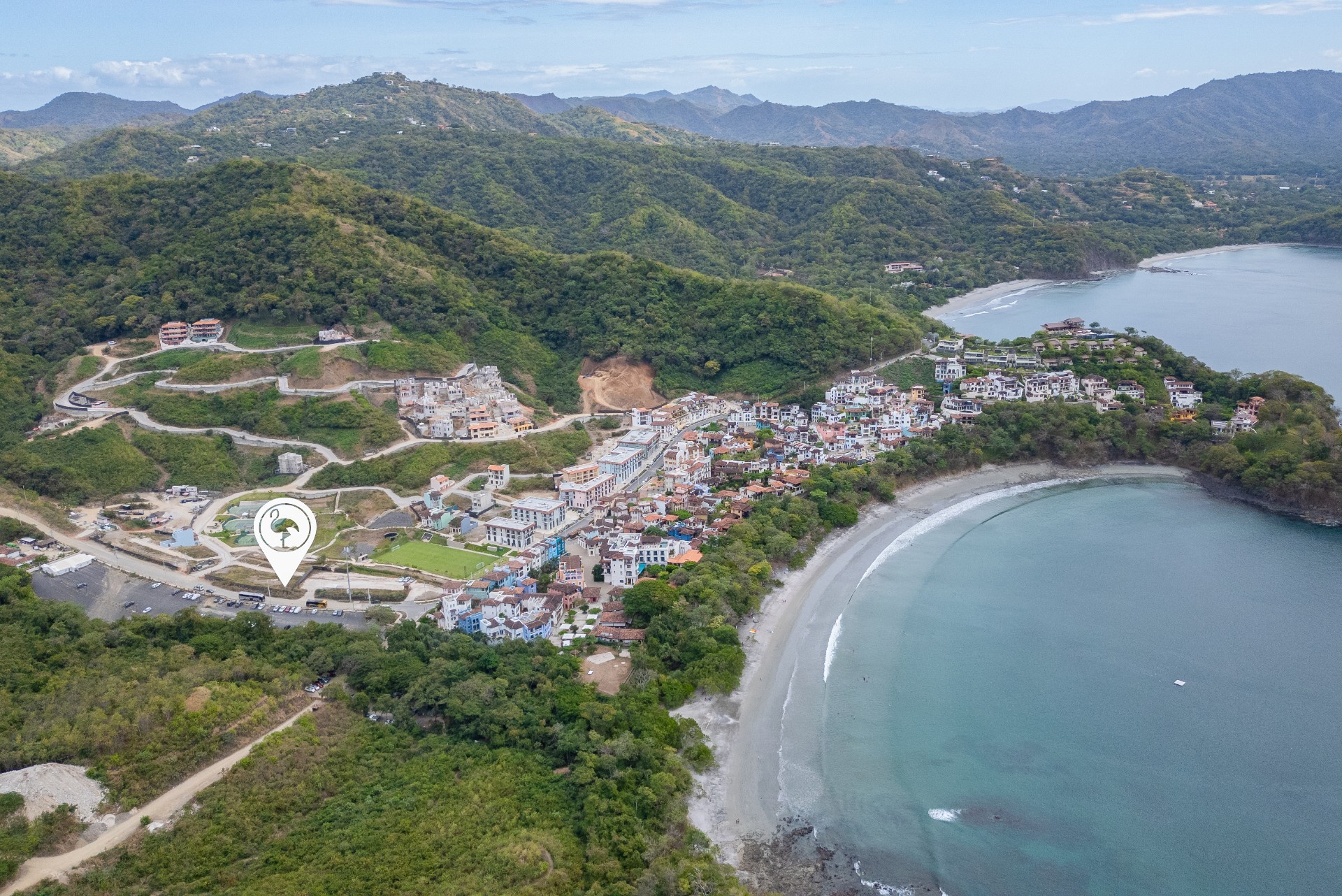
At Flamingo Beach Realty, we’ve been helping international buyers navigate Costa Rica’s real estate market since 2007 from our base right here in Playa Flamingo, on Guanacaste’s Gold Coast. This guide is written from that real-world experience. It covers your legal rights, the property types available to you, the step-by-step buying process, taxes, financing, and everything in between.
Can Foreigners Buy Property in Costa Rica? The Direct Answer
Yes — and with almost no restrictions.
As of 2026, Costa Rica’s constitution guarantees equal property rights to both citizens and non-citizens. That means a buyer from the United States, Canada, the United Kingdom, Germany, or virtually anywhere else in the world can legally purchase and register property in their own name — without needing residency, a local partner, or any special government permit.
The formal term for the type of ownership available to foreigners is “fee simple” title — the strongest and most comprehensive form of property ownership. It grants you the full right to use, sell, lease, develop, or pass the property to your heirs, exactly as a Costa Rican citizen would.
Over the past three years, foreign investment in Costa Rica real estate has grown by more than 30%, driven by a surge of retirees, remote workers, and investors who have discovered what savvy buyers have long known: that Costa Rica offers an unmatched combination of natural beauty, political stability, strong property rights, and a quality of life that’s simply hard to find anywhere else at this price point.
There is one significant exception to this open framework: beachfront property within the Maritime Zone. We’ll cover that in detail below, because it’s the area where most foreign buyer mistakes happen.
Who Can Buy Property in Costa Rica as a Foreigner?
If you’re a non-Costa Rican citizen, you can purchase property here regardless of:
- Your nationality — there are no country-specific restrictions
- Your residency status — you can buy on a standard tourist visa using only your passport
- Whether you plan to live there — investment purchases, vacation homes, and primary residences are all equally available to foreigners
You don’t need to establish a local corporation, hire a Costa Rican partner, or apply for residency before buying titled (fee simple) property. An estimated 70,000 to 120,000 Americans alone call Costa Rica home, and many thousands more own property without residing here full time. Guanacaste — where Flamingo Beach Realty operates — is home to the highest concentration of international property owners in the country, particularly in communities like Playa Flamingo, Tamarindo, Reserva Conchal, and Playas del Coco.
What Types of Property Can Foreigners Own in Costa Rica?
Not all property in Costa Rica works the same way. Understanding the categories before you browse listings is essential.
Fee Simple (Titled) Property
This is what most buyers are looking for — and it’s what Flamingo Beach Realty specializes in. Fee simple title means you own the property outright. The title is registered in your name at Costa Rica’s National Registry (Registro Nacional), your ownership is publicly searchable and legally enforceable, and you have all the rights that come with full ownership.
As a foreigner, you can purchase the following as fee simple property:
- Single-family homes and luxury villas
- Condominiums and apartments
- Commercial buildings
- Agricultural and rural land
- Residential lots and vacant land (outside the Maritime Zone)
Our listings across communities like Reserva Conchal, Las Catalinas, Hacienda Pinilla, and Mar Vista are fully titled — no concession complications, no Maritime Zone restrictions.
Concession Property (Maritime Zone)
Properties located within 200 meters of the coastline operate under a separate legal framework. This is the most misunderstood area of Costa Rica real estate, and we explain it fully in the next section.
Condominium Ownership
Condominiums are an excellent option for foreign buyers, especially in resort communities. You receive fee simple title to your individual unit, plus a proportional share of common elements like pools, lobby, gym, and garden areas. Many of our condo developments — including projects within Reserva Conchal, at Playa Flamingo, and in Tamarindo — come with professional on-site management and rental programs, making them particularly attractive for investors who won’t be in Costa Rica year-round.
The Maritime Zone Law: The One Exception Every Foreign Buyer Must Understand
If you’re considering any beachfront or near-beach property in Costa Rica, the Maritime Zone Law (Ley 6043) is the single most important piece of legislation you need to know. It governs all land within 200 meters of the high-tide line, and it applies to some of the most beautiful — and most aggressively marketed — real estate in the country.
Here’s how the law breaks it down:
The Public Zone: First 50 Meters
The initial 50 meters inland from the high-tide line is public land. It cannot be privately owned or developed by anyone — citizen or foreigner. It must remain open and accessible to the public. This is non-negotiable and absolute.
The Restricted Concession Zone: 50 to 200 Meters
The next 150 meters is government-owned land that can be leased to private parties through a concession administered by the local municipality. A concession is not ownership — it functions more like a long-term, renewable lease. The rights can be substantial, but you don’t hold the underlying land.
For foreign buyers, the restrictions here are significant:
- Individual foreigners must have legally resided in Costa Rica for a minimum of five years before qualifying for a beachfront concession in their own name
- Corporations holding concessions cannot be more than 49% foreign-owned — meaning a Costa Rican citizen must hold the majority stake
The most common and costly mistake foreign buyers make is purchasing what’s marketed as “beachfront property” without realizing it sits in the Maritime Zone and carries a concession rather than fee simple title. Always verify on day one. Pull a registry certification from the National Registry and have an independent attorney confirm the property’s status before you sign anything or transfer any funds.
Beyond 200 Meters: Fully Titled, No Restrictions
Land more than 200 meters from the high-tide line can be fully titled and owned outright by foreigners with no restrictions. This is why Flamingo Beach Realty focuses on well-planned communities and developments where lots and homes are specifically positioned outside the Maritime Zone — buyers receive full fee simple ownership with all the security that comes with it. Communities like Reserva Conchal, Hacienda Pinilla, Las Catalinas, and Mar Vista are designed with exactly this in mind.
Two Ways Foreigners Can Structure Their Property Ownership
When you buy property in Costa Rica as a foreigner, you have two primary ownership structures to choose from.
1. Direct Personal Ownership
The property is registered in your own name at the National Registry. It’s the simplest, most straightforward approach — no corporate administration, no ongoing entity fees, full personal control. For most vacation home buyers or retirees purchasing a single property, direct ownership is the most practical and cost-effective option.
2. Corporate Ownership (S.A. or S.R.L.)
Many buyers — particularly investors, those purchasing multiple properties, or buyers who want to rent out their property — choose to hold title through a Costa Rican corporation. The two most common entity types are:
- Sociedad Anónima (S.A.) — equivalent to a corporation
- Sociedad de Responsabilidad Limitada (S.R.L.) — equivalent to an LLC
Advantages of corporate ownership:
- Liability protection that separates personal assets from property-related obligations
- Estate planning simplicity — transferring ownership to heirs can be done by transferring shares rather than going through a formal property title transfer
- Potential privacy, since the corporation name appears in the registry rather than yours
- Tax structuring benefits, depending on your home country and situation
Drawbacks to consider:
- Annual corporate fees and tax filing requirements add administrative overhead (typically around $650 USD per year)
- Additional complexity for a single vacation home where direct ownership is usually sufficient
- If the property is in a Maritime Zone concession (not common in Flamingo Beach Realty’s portfolio), corporations with more than 49% foreign ownership are ineligible for concession rights
Our team can connect you with trusted local legal professionals who can advise on which structure best fits your specific goals.
How to Buy Property in Costa Rica as a Foreigner: Step by Step
The buying process is more straightforward than many international buyers expect — but it does require the right professionals at each stage.
Step 1: Define Your Goals and Budget
What are you buying and why? A vacation home, a full-time retirement residence, a rental investment property, or land to build on? Your answer shapes everything: the right community, property type, and ownership structure. Budget beyond the purchase price — plan for closing costs of approximately 3.5% to 4% of the purchase price, which covers transfer taxes, legal fees, registry stamps, and notary fees.
Step 2: Work With a Reputable Local Real Estate Agent
Costa Rica’s real estate industry is not as tightly regulated as in North America, so agent quality varies significantly. Work with an agency that has a verifiable track record with international buyers, deep knowledge of the specific communities you’re considering, and a network of trusted legal and professional referrals.
Flamingo Beach Realty has been operating since 2007. CEO and Broker/Owner Melanie Engel relocated from Canada to Playa Flamingo in 2014 and brings over 30 years of business experience to Costa Rica’s Gold Coast market. Our team has guided hundreds of international families through purchases ranging from condos to multi-million-dollar estates. Meet our full team here.
Step 3: Hire an Independent Costa Rican Real Estate Attorney
This step is non-negotiable. Engage your own attorney — separate from any referred by the seller — who will exclusively protect your interests. Your attorney will:
- Conduct a full title search at the National Registry
- Verify the property is free of liens, encumbrances, mortgages, or disputes
- Confirm boundaries align with official survey maps (planos catastrados)
- Check for outstanding municipal taxes, utility debts, or HOA balances
- Confirm whether the property is titled fee simple or a concession
- Review and negotiate the preliminary purchase agreement (Opción de Compra)
- Draft the formal transfer deed and manage National Registry registration
Legal fees typically run 1% to 1.5% of the purchase price — a worthwhile investment that protects everything that follows.
Step 4: Conduct Full Due Diligence
Never skip or rush this stage. Key due diligence items include:
- Title search — a minimum of 30 years back
- Survey plan verification — confirm the registered plano matches the physical property boundaries
- Zoning and permitting review — confirm what can be built, modified, or operated on the property
- Environmental restrictions — some land near rivers, protected zones, or wetlands carries development limitations
- Outstanding balances — unpaid property taxes, HOA fees, or utility debts can transfer to the new owner
Step 5: Sign the Option to Purchase (Opción de Compra)
This preliminary agreement establishes the purchase price, payment terms, conditions, and closing timeline. It is typically accompanied by a deposit of 10% of the purchase price, held in escrow — not released to the seller until closing conditions are met.
Always use a licensed escrow service (a reputable law firm or licensed escrow company) to hold your funds. Never transfer money directly to a seller or agent.
Step 6: Close Through a Costa Rican Notary Public
All property transfers in Costa Rica must be executed by a licensed Notary Public (Notario Público), who drafts the formal transfer deed (escritura) and submits it to the National Registry. The Notary in Costa Rica plays a distinctly elevated legal role compared to a notary in the US or Canada. Your attorney and Notary may be the same person.
Step 7: Register at the National Registry
Once signed, the deed is submitted to the National Registry for processing — typically a few weeks. Upon registration, you receive a Folio Real number, Costa Rica’s unique property identifier, which publicly confirms and legally protects your ownership.
To explore properties currently available on the Gold Coast, visit our featured listings or browse by community, type, or price range through our property search.
Taxes and Costs: What to Budget For
One-Time Purchase Costs
| Cost Item | Approximate Amount |
| Property Transfer Tax | 1.5% of purchase price |
| National Registry & Stamps | ~0.5% |
| Legal / Notary Fees | 1.0% – 1.5% |
| Total Closing Costs | ~3.5% – 4.0% |
Ongoing Annual Costs
Annual Property Tax: Costa Rica’s annual property tax is just 0.25% of the registered property value — among the lowest in the hemisphere. For a $500,000 property, that’s $1,250 per year.
Luxury Home Tax (Impuesto Solidario): Properties with construction value above approximately $280,000 USD are subject to a solidarity tax that scales progressively up to 0.55% for very high-value homes. This applies to the construction value, not the land.
Rental Income Tax: If you rent out your property, rental income is taxed at approximately 12.75% effective rate (15% applied to 85% of gross income under the simplified non-resident system).
Corporate Maintenance (if applicable): If you own through a corporation, expect approximately $650 USD/year in corporate fees and filing costs, depending on share capital.
Financing Options for Foreign Buyers
Be realistic: financing in Costa Rica for foreigners is more limited than in North America or Europe. That said, options do exist.
Costa Rican Bank Mortgages: Some local banks will lend to foreign buyers, but it requires extensive documentation, proof of income, and often legal residency. If you qualify, expect:
- Loan-to-value ratios of 50% to 70% (down payments of 30% to 50%)
- Interest rates of 7% to 10% for USD-denominated loans
- Longer processing timelines than buyers are typically used to at home
Cash Purchases: The majority of foreign property purchases in Costa Rica are made in cash. This is both common and straightforward.
Seller Financing: Some sellers will finance part of the purchase price directly. This is negotiated on a deal-by-deal basis and can be an attractive option.
Developer Financing: For new construction and pre-sale projects, developer financing is often available with structured payment plans tied to construction milestones.
Visit our Financing page to learn more about financing options available through our network.
Does Buying Property Lead to Residency in Costa Rica?
Property ownership alone doesn’t automatically grant residency — but it can open the door to it.
Costa Rica’s Investor Residency Program (Residencia de Inversionista) allows foreigners who invest a minimum of $150,000 in Costa Rican real estate (or other approved sectors) to apply for temporary residency, renewable every two years.
Other popular residency routes that don’t require property investment include:
- Pensionado Program: Requires proof of at least $1,000/month in pension or retirement income
- Rentista Program: Requires guaranteed income of $2,500/month for a minimum of two years
- Permanent Residency: Available after three consecutive years of legal residency under any of the above programs
If you’re considering relocating permanently, our Relocate to Costa Rica service page has helpful guidance on making the move. We work closely with immigration attorneys and can make the right introductions.
Where Should You Buy? Top Communities on Costa Rica’s Gold Coast
Flamingo Beach Realty specializes in Guanacaste’s Gold Coast — the Pacific northwest region of Costa Rica, and the most popular destination in the country for international buyers. Here’s a snapshot of what each area offers:
Playa Flamingo
Our home base. Playa Flamingo is one of Costa Rica’s most prestigious beach communities — known for its white sand, calm protected bay, luxurious private homes, and the new Flamingo Marina development. It’s a natural fit for buyers seeking privacy, beauty, and upscale amenities in a relaxed environment.
Reserva Conchal
One of the most complete resort communities in all of Central America. Reserva Conchal features a world-class Robert Trent Jones II golf course, a W Hotel, multiple pools, a beach club, and meticulously maintained infrastructure — all set behind a secure, gated perimeter. Properties here are fully titled and consistently hold strong value.
Las Catalinas
A thoughtfully designed, car-free pedestrian village built into the hillside above Playa Danta. Las Catalinas blends Mediterranean-inspired architecture with Costa Rican landscape, offering walking trails, restaurants, and a beach club. It’s one of the most unique real estate propositions in the country.
Hacienda Pinilla
A sprawling private beach and golf community south of Tamarindo, featuring three beaches, a golf course, equestrian facilities, and a wide variety of home styles and price points. A strong choice for buyers wanting resort amenities with a more ranch-like, natural feel.
Playa Tamarindo
The most international and buzzing town on the Gold Coast. Tamarindo offers a thriving restaurant and nightlife scene, surf culture, and some of the strongest short-term rental demand in the region. Ideal for investors targeting vacation rental income.
Playa Potrero & Playa Brasilito
Quieter, more residential communities just north of Flamingo, popular with buyers seeking a more local, unhurried pace while staying close to Flamingo’s amenities. Generally more accessible price points than Flamingo proper.
Peninsula Papagayo
Home to the Four Seasons Resort Costa Rica and other major luxury brands, this gated peninsula is one of the most exclusive real estate markets in Latin America. Ideal for ultra-luxury buyers seeking world-class amenities and maximum privacy.
Browse all communities we serve at flamingobeachrealty.com/communities.
Common Pitfalls — and How to Avoid Them
1. Assuming “Beachfront” Means Fee Simple Title
Always confirm on day one whether a property is titled or a concession. “Beachfront” is a marketing description, not a legal term. A property can be steps from the water and still be 100% fee simple — or it can be in the Maritime Zone with significant ownership restrictions.
2. Skipping Your Own Independent Attorney
The seller’s attorney and the transaction agent have their own interests. Your attorney’s only job is to protect yours. Always engage independent legal counsel.
3. Using Informal Escrow or Wiring Directly
Never send deposit or closing funds directly to a seller or agent. Always use a licensed escrow company or law firm escrow account.
4. Not Checking for Outstanding Debts
Unpaid property taxes, HOA fees, utility debts, and certain legal encumbrances can transfer to the new owner in Costa Rica. Your attorney must verify a fully clean financial record before closing.
5. Rushing Due Diligence
The best property in the world is worthless if the title is clouded, boundaries are disputed, or structures are unpermitted. Allow 30 to 60 days for proper due diligence. The small time investment protects your entire purchase.
Key Takeaways
- Foreigners can legally buy property in Costa Rica with the same rights as citizens — no residency requirement, no local partner needed for titled land
- Fee simple title is the strongest ownership form and is available to foreigners for residential, commercial, agricultural, and undeveloped land
- The Maritime Zone Law governs the first 200 meters from the coastline — the first 50m is public land; the next 150m is concession land with restrictions for non-residents
- Two ownership structures are available: direct personal ownership (simplest) or through a Costa Rican corporation (S.A. or S.R.L.)
- Closing costs run approximately 3.5% to 4% of the purchase price; annual property taxes are just 0.25% of registered value
- Most foreign purchases are made in cash; local bank financing is available but limited
- Investing $150,000 or more in real estate can qualify you for Costa Rica’s Investor Residency Program
- Always engage an independent real estate attorney and use licensed escrow — without exception
Conclusion: Your Piece of Pura Vida Awaits
Costa Rica is genuinely one of the most accessible and legally secure places in the world for foreign property buyers. The laws are clear, the property rights are real, and the lifestyle — warm weather, natural beauty, friendly communities, and a “Pura Vida” pace of life — is something you simply can’t replicate elsewhere at this price point.
The record 2.66 million air arrivals Costa Rica welcomed in 2024, combined with the World Bank’s 2025 reclassification of Costa Rica as a High-Income Country, are signals of long-term stability and growing investor confidence. In Guanacaste specifically, well-priced properties in top locations are selling close to asking price — ocean-view homes, turnkey villas, and prime lots in communities like Reserva Conchal and Playa Flamingo are in particularly strong demand.
The key to a successful purchase isn’t just enthusiasm — it’s working with experienced professionals who know this market, know the law, and know the communities inside out.
That’s exactly what Flamingo Beach Realty has been doing since 2007.
Ready to explore Costa Rica real estate with a team that truly knows the Gold Coast?
Browse our current listings, download our Buyer’s Guide, or contact our team directly. We’re here to help you find the right property, in the right community, at the right price — and guide you through every step of the process with the expertise and local knowledge that only comes from calling this place home.
Flamingo Beach Realty — Costa Rica’s Most Trusted Name in Luxury Real Estate.
Frequently Asked Questions About Buying Property in Costa Rica
Can Foreigners Get a Mortgage in Costa Rica?
Yes, foreigners can obtain financing in Costa Rica, but the process is generally more restrictive than what buyers may be accustomed to in the United States, Canada, or Europe.
Several Costa Rican banks offer mortgage loans to foreign nationals, particularly those with legal residency, verifiable income, and strong financial profiles. However, lenders typically require larger down payments—often between 30% and 50% of the property’s value—and loan approval can involve extensive documentation and longer processing times.
Interest rates for foreign borrowers generally range between 7% and 10% for U.S. dollar-denominated loans, depending on the lender and borrower qualifications.
Because of these requirements, many international buyers choose to purchase property with cash. Others explore alternative financing options such as seller financing, developer financing on new construction projects, or lending solutions available in their home country.
Before beginning your property search, it’s wise to speak with a qualified mortgage specialist or lender to understand what financing options may be available for your specific situation.
Can I Buy Property in Costa Rica Without Residency?
Absolutely.
One of the biggest advantages of investing in Costa Rica real estate is that foreigners enjoy the same property ownership rights as Costa Rican citizens. You do not need residency, citizenship, a local business partner, or any special permit to purchase titled property in Costa Rica.
Foreign buyers can legally purchase and register homes, condominiums, commercial buildings, development land, and agricultural property using only a valid passport. The property can be registered directly in your personal name or through a Costa Rican corporation, depending on your ownership goals and estate planning preferences.
Many international buyers own vacation homes or investment properties in Costa Rica while visiting only a few times per year under standard tourist status.
It’s important to note, however, that certain restrictions apply to concession properties located within Costa Rica’s Maritime Zone. If you’re considering beachfront real estate, always consult an experienced Costa Rican real estate attorney to verify the property’s legal status before proceeding.
How Much Are Property Taxes in Costa Rica?
Costa Rica is known for having some of the lowest property taxes in the Western Hemisphere, which is one of the reasons it remains attractive to international buyers and retirees.
The annual property tax rate is just 0.25% of the property’s registered value.
For example:
- A property valued at $300,000 would have annual property taxes of approximately $750.
- A property valued at $500,000 would have annual property taxes of approximately $1,250.
- A property valued at $1,000,000 would have annual property taxes of approximately $2,500.
In addition to standard property taxes, high-value homes may be subject to Costa Rica’s Luxury Home Tax (Impuesto Solidario), which applies to qualifying properties above a government-established construction value threshold.
Property owners should also budget for other potential expenses such as homeowners association fees, utilities, property management, and maintenance costs, particularly for vacation rental or beachfront properties.
Compared to many real estate markets in North America and Europe, Costa Rica’s low annual tax burden remains a significant advantage for long-term property ownership.
Can Foreigners Buy Beachfront Property in Costa Rica?
Yes, foreigners can buy many types of beachfront and near-beach properties in Costa Rica, but it’s essential to understand how the country’s Maritime Zone Law affects ownership rights.
Costa Rica’s coastline is divided into three categories:
The Public Zone (First 50 Meters from the High-Tide Line)
This area is public land and cannot be privately owned by anyone, including Costa Rican citizens. No private development or ownership is permitted.
The Concession Zone (50–200 Meters from the High-Tide Line)
This area is owned by the government and leased through municipal concessions. Concession property is not fee-simple ownership and comes with additional restrictions for foreign buyers.
Titled Beachfront Property
Certain areas of Costa Rica contain rare titled beachfront properties that were legally titled before the Maritime Zone Law took effect or fall within specially designated ownership zones. These properties offer full fee-simple ownership and can be purchased by foreigners with the same rights as Costa Rican citizens.
Some of Guanacaste’s most desirable areas with titled beachfront opportunities include Playa Flamingo, Playa Potrero, Playa Danta in Las Catalinas, Playa Langosta, and Playa Grande.
Because beachfront ownership structures can vary significantly from one property to another, buyers should always perform thorough legal due diligence and confirm whether a property is titled or concession-based before making an offer.
When purchased correctly, beachfront real estate in Costa Rica can provide exceptional lifestyle benefits, strong rental demand, and long-term investment potential.