
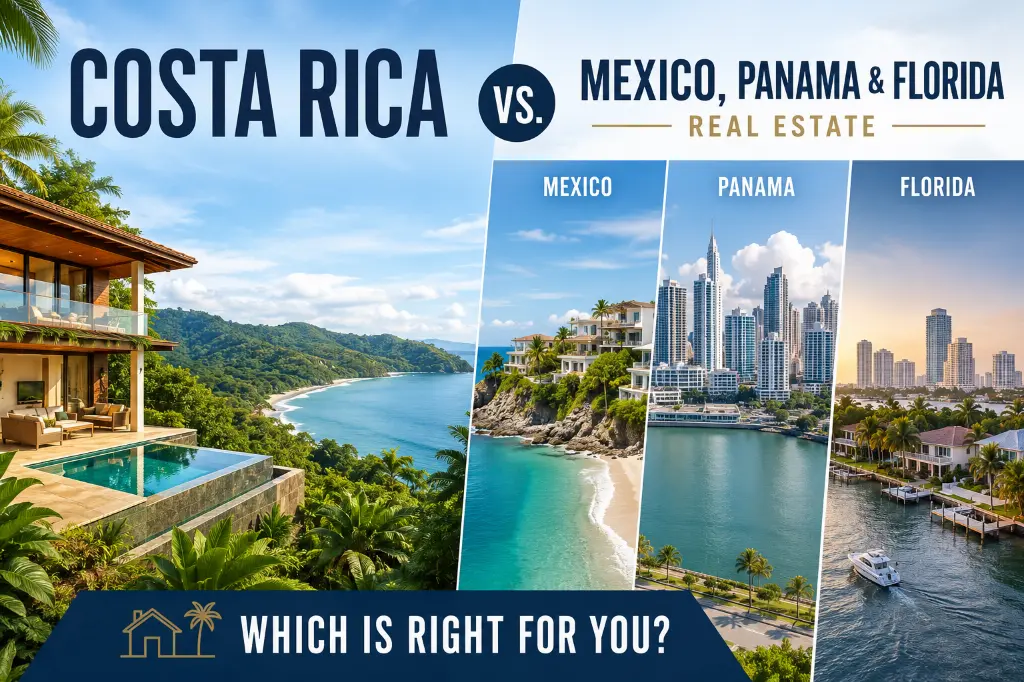
Costa Rica vs. Mexico, Panama, and Florida Real Estate: An Honest Comparison for American Buyers
American buyers exploring international real estate almost always compare a short list of destinations: Costa Rica, Mexico, Panama, and occasionally Florida as the domestic alternative. Each has genuine strengths. None is perfect for every buyer. This guide is an honest, side-by-side comparison — written for buyers who’ve done enough research to know what questions matter and want straight answers.
Table of Contents
- The Core Question: What Are You Actually Buying?
- Costa Rica vs. Mexico Real Estate
- Costa Rica vs. Panama Real Estate
- Costa Rica vs. Florida Real Estate
- The Decision Framework: Which Is Right for You?
- Frequently Asked Questions: Costa Rica vs. Other Markets
The Core Question: What Are You Actually Buying?
Before comparing markets, it’s worth being clear about what you’re actually buying when you purchase real estate in any of these destinations. You’re buying three things at once:
- A physical property — the land, structure, finishes, and location
- A legal framework — the ownership structure, property rights, tax treatment, and title security
- A lifestyle and community — the environment, expat infrastructure, safety, services, and culture
All three matter. Buyers who optimize only for price often end up in markets where the legal framework or lifestyle doesn’t work for them long-term. The comparison below addresses all three dimensions for each market.
Costa Rica vs. Mexico Real Estate
Ownership Structure
This is the most important difference between Costa Rica and Mexico for foreign buyers, and it’s often misunderstood.
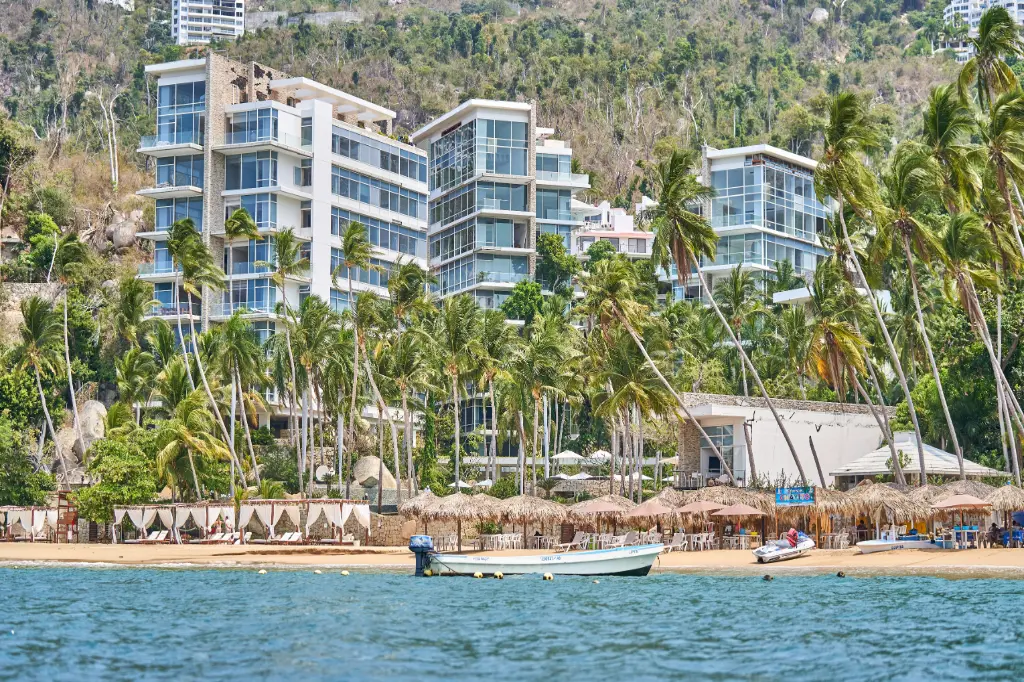
Mexico: Foreign nationals cannot directly own land within the “restricted zone” — defined as within 100 km of an international border and 50 km of the coast. Almost all of the desirable beach real estate in Mexico falls within this restricted zone. To own property there as a foreigner, you must either: (a) use a fideicomiso (a bank trust), which grants you beneficial ownership rights but not direct title; or (b) own through a Mexican corporation. The fideicomiso works, but it adds administrative overhead (annual trust fees of $500–$800/year) and an extra layer of legal complexity.
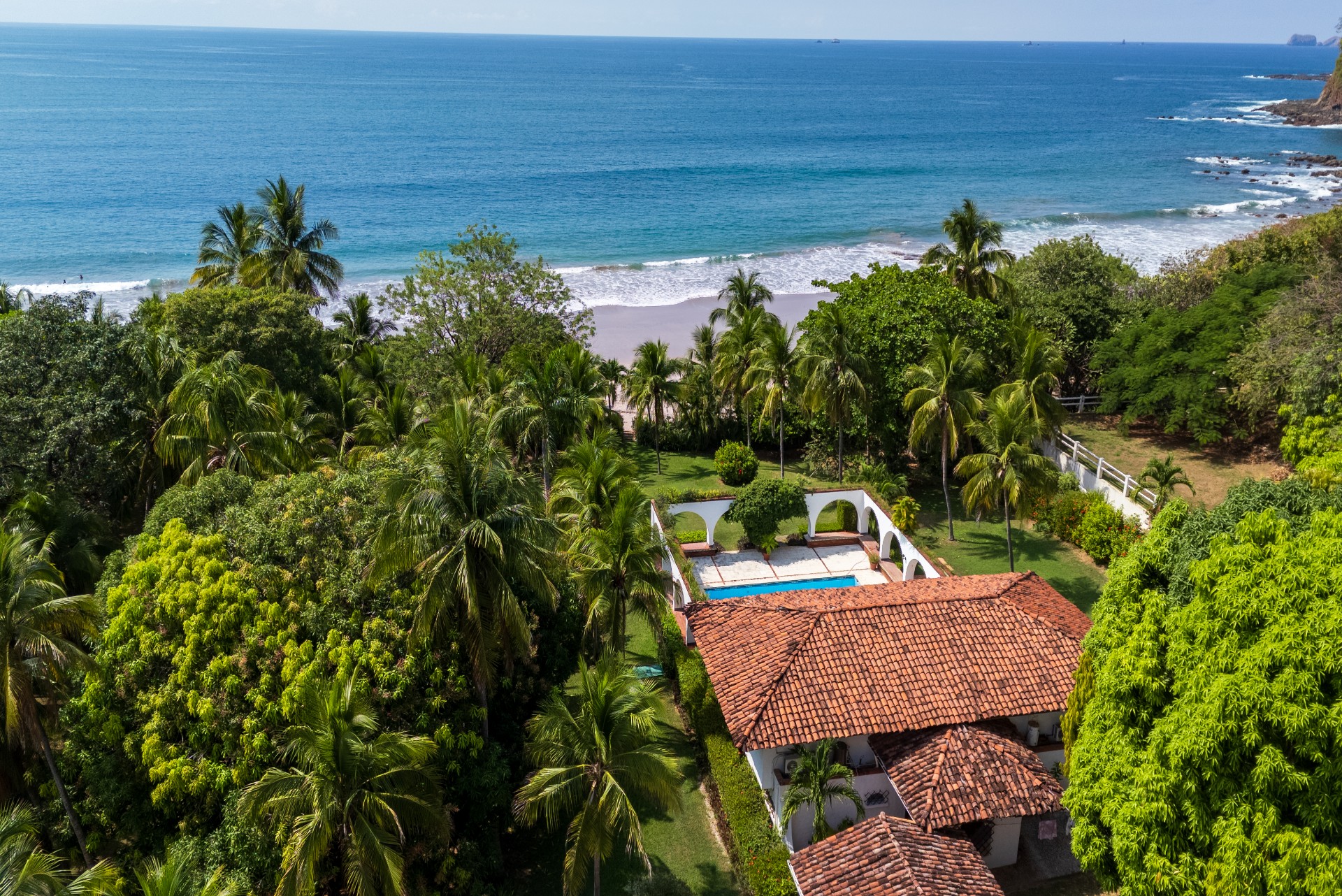
Costa Rica: Foreign nationals own property with identical rights to Costa Rican citizens. Direct title. No trust structure required. No residency requirement. No ownership restrictions. The only land a foreigner cannot directly own is Maritime Zone concession land (the first 200 meters from the high tide line), which is government land regardless of the buyer’s nationality. This is a meaningful advantage that is often underestimated.
Price Comparison
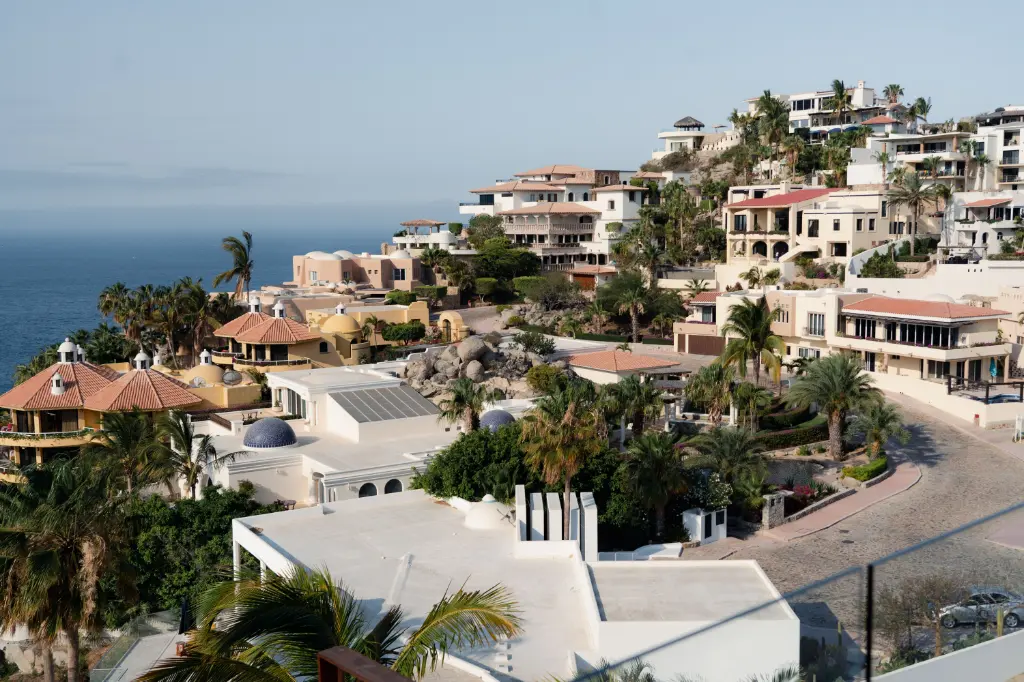
Mexico offers a broader price range at lower average entry points. Popular destinations like Cabo San Lucas, Puerto Vallarta, and the Riviera Maya have both sub-$200,000 condos and multi-million-dollar beachfront estates. In Guanacaste, Costa Rica, the entry point for quality beachfront-adjacent condos starts around $200,000–$250,000 — competitive with Mexico’s beach markets but less inventory at the very low end.
For like-for-like quality (similar construction, similar beach proximity, similar amenities), Mexico and Costa Rica are more comparable in price than the volume of lower-tier Mexican listings might suggest.
Safety
Safety perceptions vary widely across Mexico and Costa Rica, and generalizations serve neither country well. What’s accurate:
- Well-established expat communities in both countries maintain safe environments. Puerto Vallarta, San José del Cabo, and Tamarindo/Flamingo are all regularly cited as safe for expat residents.
- Costa Rica has consistently lower overall crime rates than Mexico at the national level. In the US State Department’s ranking, Costa Rica is typically rated Level 1 or Level 2; Mexico is rated Level 2 overall but includes Level 3 and Level 4 regions that pull the national average.
- Buyers should research the specific community, not the country average.
Healthcare
Costa Rica’s public healthcare system (Caja Costarricense de Seguro Social, or CAJA) is one of the strongest in Latin America. Residents can access the CAJA system. Private healthcare in San José and Liberia is modern and affordable. Mexico also has strong private healthcare options in major tourist markets.
The Verdict: Costa Rica vs. Mexico
Mexico wins on volume, price diversity, and the breadth of mature expat communities. Costa Rica wins on ownership clarity, safety consistency, and natural environment quality. For buyers who want the cleanest possible foreign ownership structure and a natural environment with some of the world’s highest biodiversity, Costa Rica is the stronger choice.
Costa Rica vs. Panama Real Estate
Ownership Structure
Panama is one of the most foreigner-friendly real estate markets in the world. Direct ownership by foreigners is fully permitted on titled property. No trust structure, no restrictions, identical rights to Panamanian citizens — comparable to Costa Rica in this regard.
Panama City vs. Beach Markets
The most important distinction in Costa Rica vs. Panama real estate is market character:
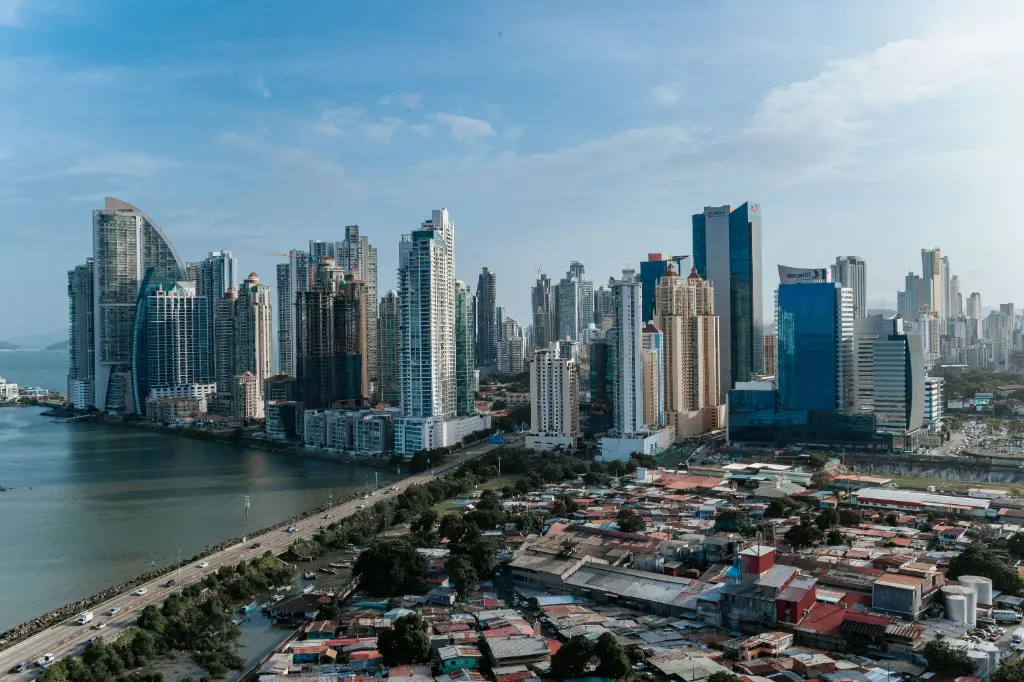
Panama City offers a cosmopolitan urban real estate market with high-rise condos, Casco Viejo (the historic district, now heavily gentrified), and world-class financial infrastructure. If you want a sophisticated urban lifestyle with Latin American flavor and US dollar economy, Panama City is genuinely compelling. Costa Rica doesn’t have an equivalent urban market.
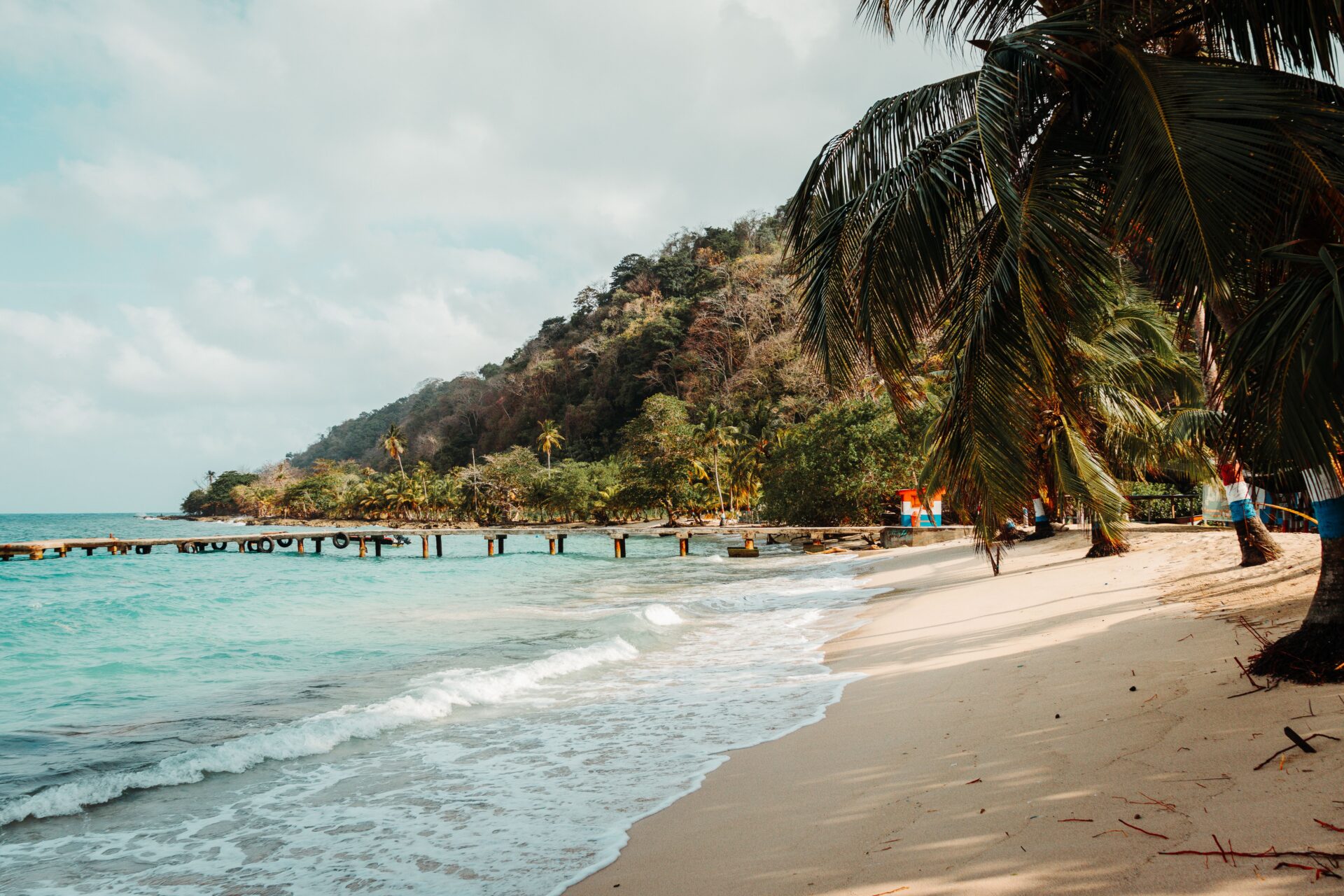
Panama’s beach markets — Coronado, Santa Clara, Pedasi — are more modest in development and infrastructure compared to Guanacaste. The Pacific coast beaches of Panama are pleasant but not as physically striking or as well-serviced as the northern Guanacaste corridor.
Tax Comparison
This is where Panama wins clearly over Costa Rica:
| Tax | Costa Rica | Panama |
|---|---|---|
| Annual property tax | ~0.25% of registered value | ~1% of registered value (higher, but offset by exemptions) |
| Capital gains tax | 15% on profit from sale | None |
| Rental income tax | 15% withholding for non-residents | Varies |
Panama’s lack of capital gains tax on real estate is a significant advantage for buyers who expect to sell at a profit. For a $300,000 gain, Panama saves you $45,000 in tax relative to Costa Rica.
Pensionado Program
Panama’s Pensionado visa program is often cited as one of the best retirement visa programs in the world — offering substantial discounts on healthcare, dining, entertainment, and utilities for qualifying retirees. Costa Rica has its own pensionado program with benefits, but Panama’s program has historically been broader.
Flight Access
Costa Rica has better direct flight access from major US cities through Liberia International Airport. Panama City’s Tocumen International is a major hub, but Panama’s beach markets require additional travel from Panama City.
The Verdict: Costa Rica vs. Panama
Panama wins on capital gains tax and the urban Panama City market. Costa Rica wins on beach community infrastructure, direct US flight access to the north Pacific coast, and the breadth of the established expat community in Guanacaste. For buyers focused on Pacific coast beach living rather than urban investment, Costa Rica’s Guanacaste is more developed and more accessible.
Costa Rica vs. Florida Real Estate
For many American buyers, the comparison isn’t just between international destinations — it’s between buying abroad and buying a Florida coastal property. This is worth addressing directly.
Price
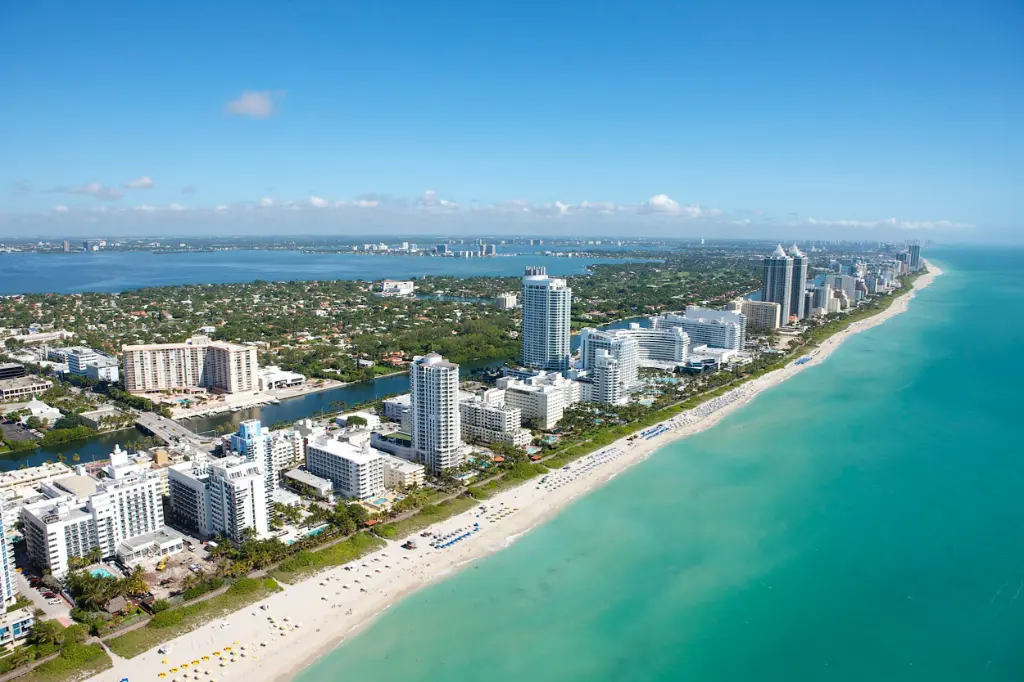
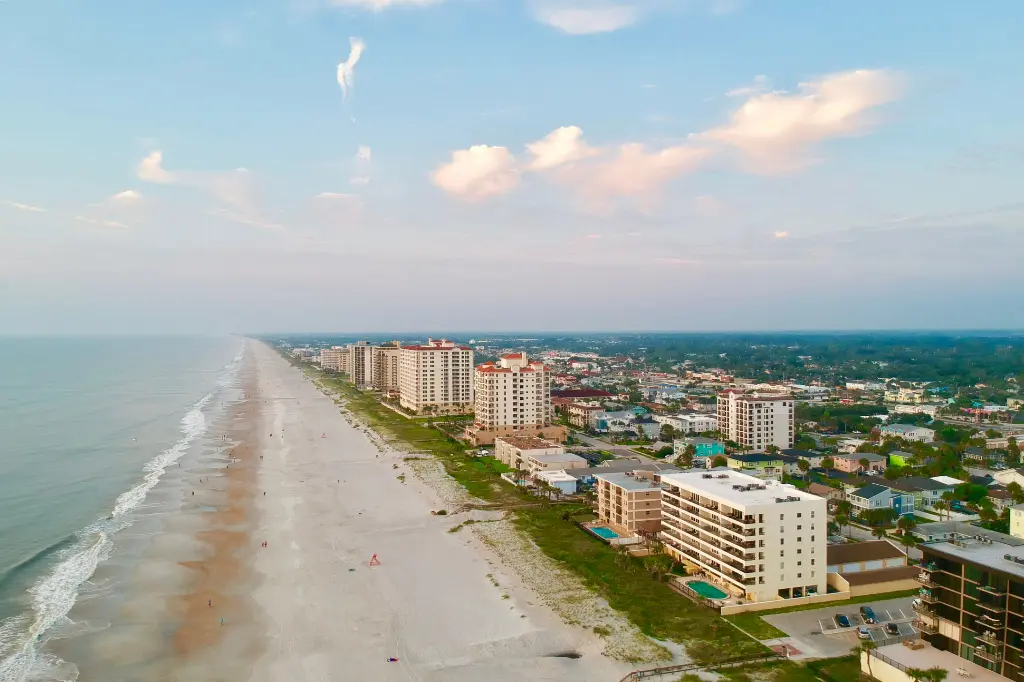
Florida coastal real estate in desirable areas (Miami Beach, Naples, Sarasota, Palm Beach) has experienced extraordinary price appreciation over the past decade. Entry points for a quality two-bedroom condo in a well-located Florida beach town now start around $400,000–$600,000 in many markets, with oceanfront properties at $1M+.
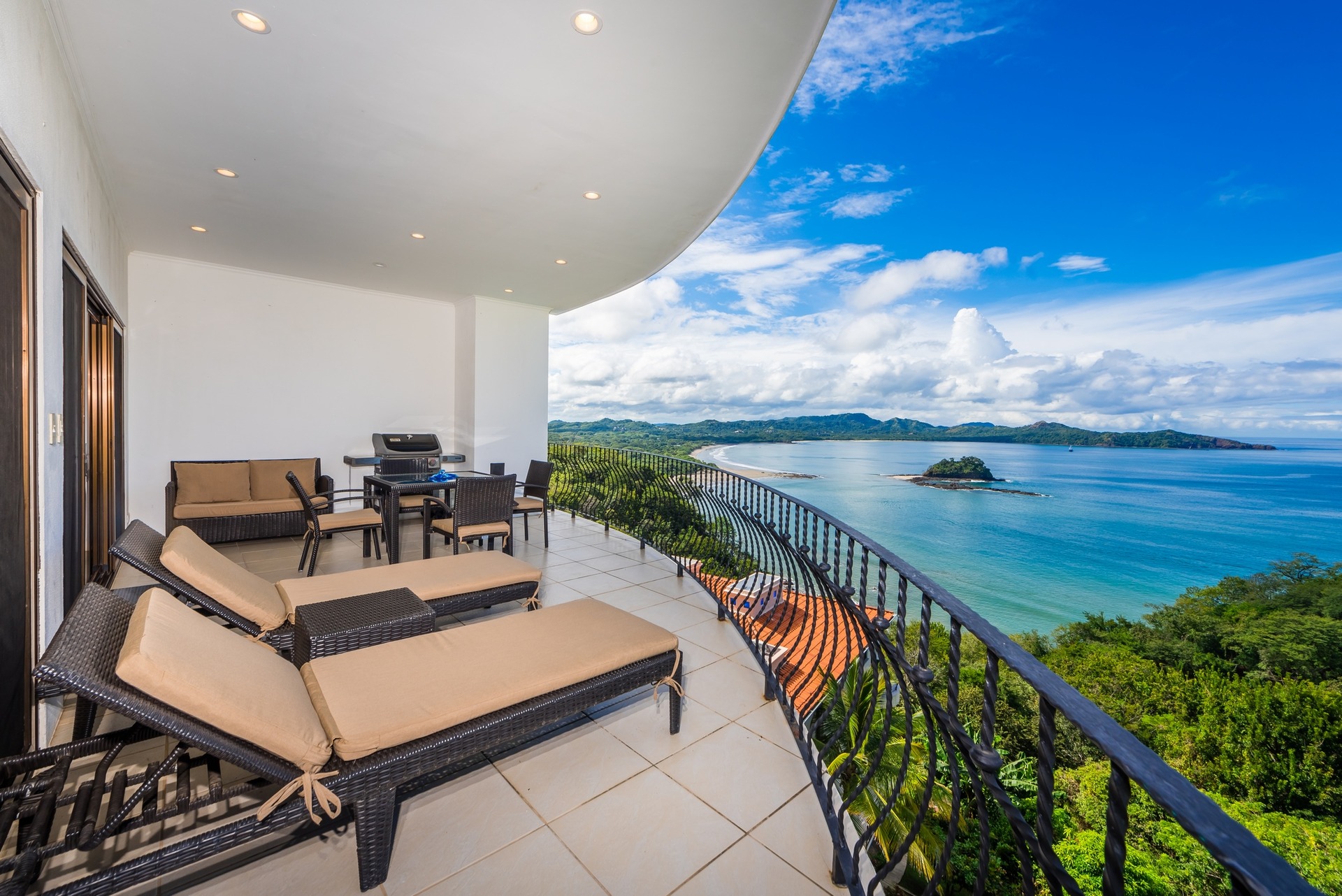
In Guanacaste, a quality two-bedroom condo near a beach community like Flamingo or Tamarindo starts at $200,000–$350,000. For comparable oceanfront positioning, Costa Rica is substantially cheaper.
Carrying Costs
This is where the comparison gets stark:
| Cost | Florida | Guanacaste, CR |
|---|---|---|
| Property tax | 1–2% of assessed value/year | ~0.25% of registered value/year |
| Homeowners insurance | $3,000–$15,000+/year (hurricane risk) | $800–$2,000/year |
| HOA (beach communities) | $500–$2,000+/month | $150–$1,500/month |
For a $500,000 property, Florida carrying costs (property tax + insurance alone) can easily run $15,000–$20,000 per year. An equivalent property in Guanacaste might run $3,000–$5,000 per year. Over 10 years, the difference is substantial.
Familiarity and Legal Protection
Florida wins decisively on familiarity. English is the business language. The legal system is the same US judicial system. Title insurance is standard. Mortgage financing is readily available to US buyers. These are real advantages that should not be dismissed — the friction of owning internationally is real.
Costa Rica requires navigating a foreign legal system, working with local attorneys, wiring money internationally, and managing a property in a country with different business culture and communication norms. It’s manageable — but it’s more complex than owning in Florida.
Lifestyle
For buyers who genuinely love the tropics, natural beauty, and a slower pace of life, Guanacaste typically delivers more per dollar than a comparable Florida coastal town. The beaches are less crowded, the natural environment is more intact, and the community character is less developed and more authentic.
For buyers who want Florida-style convenience — familiar stores, short domestic flights home, US banking — Florida remains the logical choice.
The Verdict: Costa Rica vs. Florida
Costa Rica wins on lifestyle value per dollar and dramatically lower carrying costs. Florida wins on familiarity, legal simplicity, and financing access. If you’re a US buyer who wants maximum lifestyle per dollar spent and is comfortable with the administrative overhead of international ownership, Costa Rica is compelling.
The Decision Framework: Which Is Right for You?
Choose Mexico if: You want the broadest selection of price points, you’re comfortable with the fideicomiso structure, and you’re drawn to destinations like Cabo or Puerto Vallarta where infrastructure is deeply mature.
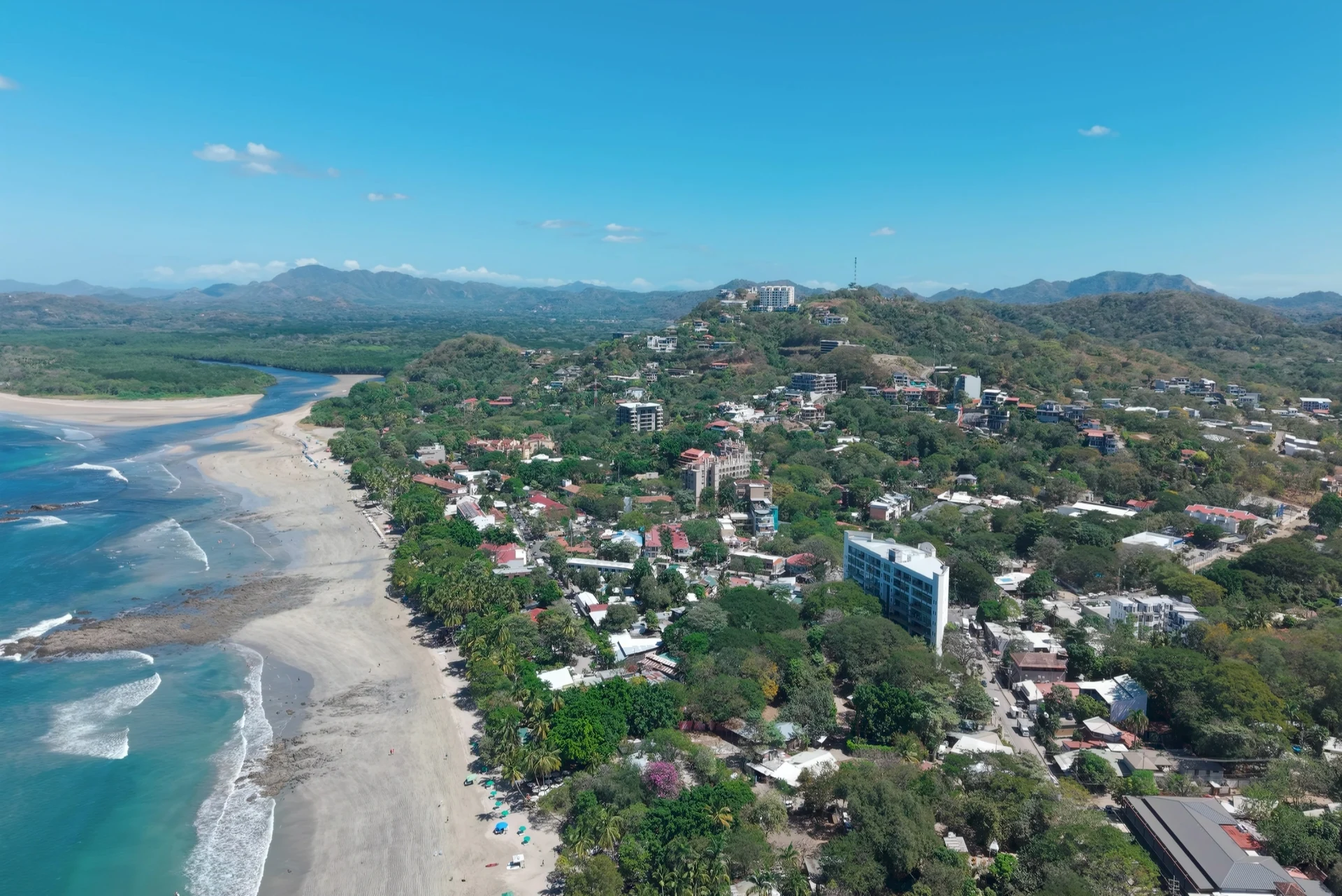
Choose Costa Rica if: You want the cleanest foreign ownership structure, the most consistent safety environment across expat communities, the best natural environment, and direct US flight access to a beach community. Guanacaste offers the specific combination of accessibility, infrastructure, and lifestyle quality that most buyers in this comparison are actually looking for.
Choose Panama if: Capital gains tax matters significantly to your investment strategy, you’re drawn to the Panama City urban market, or the Pensionado program’s benefits are important to your retirement planning.
Choose Florida if: You want zero international complexity, need US mortgage financing, or simply prefer the familiarity of a domestic market even at higher carrying costs.
Frequently Asked Questions: Costa Rica vs. Other Markets
Is Costa Rica or Mexico better for American real estate buyers?
Mexico offers more volume and lower entry prices at the bottom of the market. Costa Rica offers cleaner foreign ownership rights (no bank trust required), a stronger safety profile across expat communities, and one of the world’s most remarkable natural environments. For buyers who prioritize ownership clarity and lifestyle quality over price diversity, Costa Rica is often the stronger choice.
How does Costa Rica compare to Panama for real estate investment?
Costa Rica’s beach communities — particularly Guanacaste — have more developed infrastructure and stronger direct US flight access than Panama’s Pacific coast beach markets. Panama wins on capital gains tax (none versus Costa Rica’s 15%) and Panama City’s cosmopolitan urban market. For Pacific coast beach living, Costa Rica is more established.
Is buying in Costa Rica better than buying in Florida?
For buyers who are comfortable with international property ownership, Costa Rica typically delivers more lifestyle per dollar than comparable Florida coastal property. Carrying costs — especially property tax and homeowners insurance — are dramatically lower in Costa Rica. Florida wins on familiarity, domestic legal protections, and financing access.
What is the capital gains tax rate in Costa Rica?
Costa Rica levies a 15% capital gains tax on profit from real estate sales, applied to properties sold after the law’s 2019 enactment. Panama charges no capital gains tax on real estate. The difference is a material factor for buyers who expect significant appreciation.
Do I need residency to buy property in Costa Rica?
No. Foreign nationals can purchase and own titled property in Costa Rica regardless of residency status. Owning property does not automatically grant residency, but there are residency pathways available (pensionado, rentista, investor) that can be explored alongside or after a purchase.
The team at Flamingo Beach Realty works exclusively in Guanacaste, Costa Rica — which means every recommendation is focused on helping you find the right property in this market, not pushing you toward a particular country. If Costa Rica is the right fit for you, contact us and let’s talk about what’s available.