

Costa Rica has long attracted travelers seeking nature, culture, and a slower pace of life. For many visitors, especially those traveling alone, questions about safety naturally arise during the planning stage. Understanding what daily travel conditions are really like can make the difference between hesitation and confidence. Costa Rica is widely regarded as a stable and welcoming country, with strong tourism infrastructure and a culture rooted in hospitality. With practical awareness and local insight, most travelers experience Costa Rica as a comfortable and rewarding destination to explore independently.
Table of Contents
- General Safety and Daily Travel Realities
- Common Safety Concerns and How to Navigate Them
- Transportation, Movement, and Getting Around
- Nature, Wildlife, and Environmental Awareness
- Traveling Costa Rica With Confidence
General Safety and Daily Travel Realities
Costa Rica is often viewed as one of the more peaceful and stable countries in the region. The country does not maintain a standing army and places strong emphasis on education, environmental protection, and democratic governance. These foundations contribute to an overall sense of calm that many visitors notice shortly after arrival.
Tourism plays a central role in Costa Rica’s economy, and this has shaped how communities support visitors. In established destinations, travelers encounter services and infrastructure designed to make navigation easier, from clear signage to hospitality professionals accustomed to working with international guests.
Key aspects that influence day-to-day safety include:
- A long history of political stability
- A culture that values respect and peaceful interaction
- Strong tourism presence in coastal and urban regions
- Communities familiar with hosting international travelers

Beach towns such as Playa Flamingo, Playa Potrero, Surfside, and Tamarindo reflect this environment clearly. These areas combine residential life with tourism services, creating places where visitors feel both welcomed and oriented.
For solo travelers, this balance often translates into confidence when exploring local restaurants, beaches, and surrounding communities during normal daytime hours.
Common Safety Concerns and How to Navigate Them
Like most popular travel destinations worldwide, Costa Rica’s safety concerns tend to be practical rather than severe. The majority of incidents involving visitors are non-violent and preventable with basic awareness.
The most commonly reported issues include:
- Unattended belongings at beaches
- Bags left in unlocked vehicles
- Opportunistic theft in high-traffic zones
Violent crime involving tourists is uncommon. Travelers who remain attentive to their surroundings and follow standard travel precautions generally complete their trips without incident.
Helpful habits that reduce risk include:
- Keeping valuables out of sight
- Carrying only what is needed for the day
- Using accommodations with secure storage
- Avoiding isolated areas late at night
Costa Rica also maintains tourist police units in many popular destinations. These officers are trained to assist visitors, provide directions, and support incident reporting when necessary. Their presence contributes to a sense of reassurance rather than enforcement.
Local residents, often referred to as Ticos, are widely known for their friendly and helpful demeanor. Polite interaction and respectful communication frequently lead to positive exchanges and assistance when needed.
Transportation, Movement, and Getting Around

Transportation plays an important role in how safe travelers feel while moving through Costa Rica. Fortunately, visitors have access to several reliable options.
Common transportation choices include:
- Licensed taxis
- Private shuttle services
- Shared shuttle routes between destinations
- Public bus systems
- Uber
Licensed taxis and professional shuttle companies are widely used by travelers. Many visitors prefer arranging transportation through their hotel or accommodation, especially when arriving at airports or traveling between regions.
Public buses are commonly used by both locals. They are considered reliable and affordable, though travelers should keep personal items secure during travel, particularly on busy routes.
For longer distances between beach towns or regions, shared or private shuttles are often chosen for comfort and convenience. These services are especially popular among solo travelers who prefer predictable routes and door-to-door service.
Walking is common within towns, particularly in flat, walkable communities such as Playa Potrero. As with any destination, daytime walking in populated areas is generally comfortable, while nighttime movement is best kept to well-lit and familiar routes.
Nature, Wildlife, and Environmental Awareness
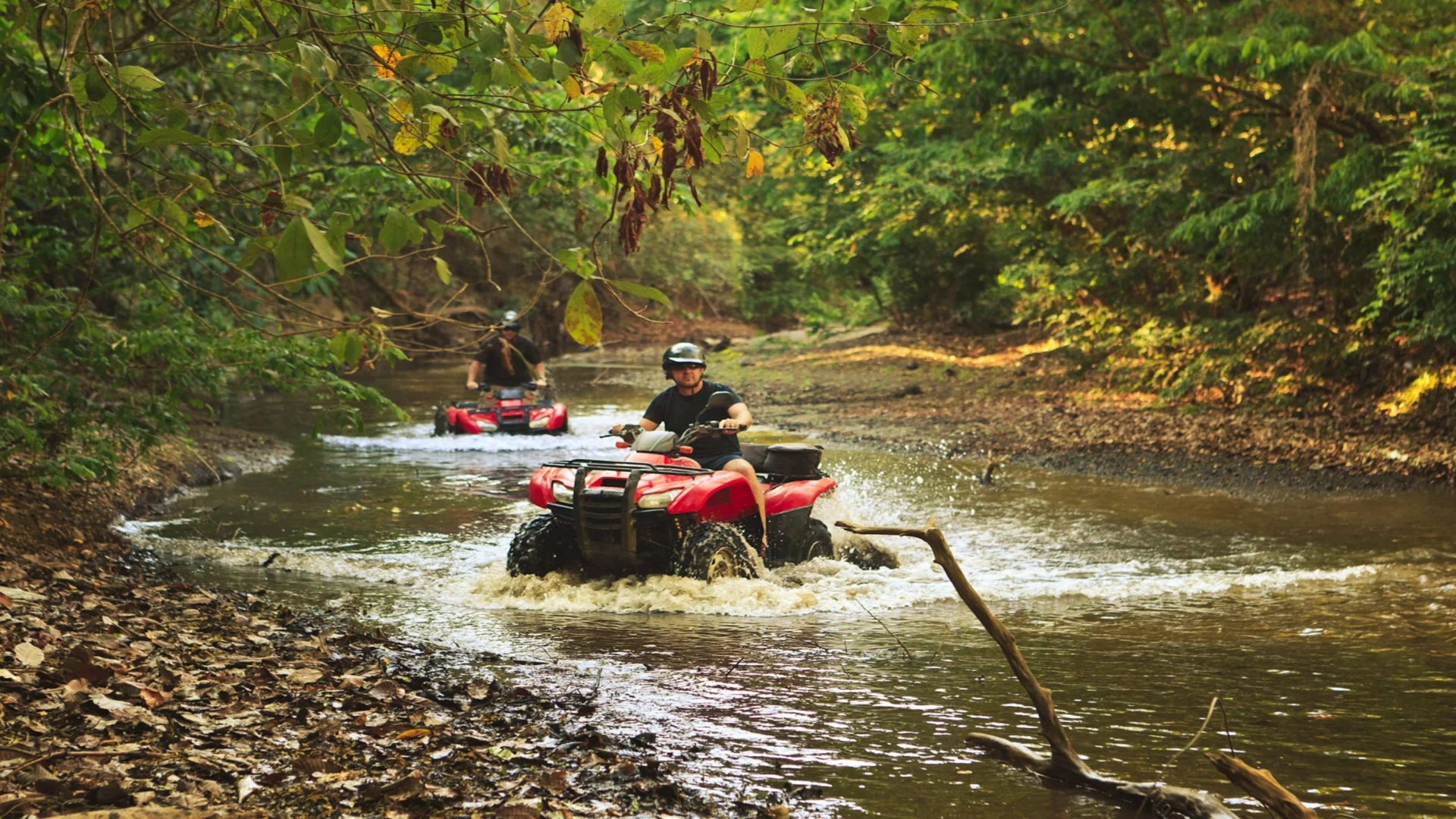
Costa Rica’s landscapes are a major part of its appeal, but natural conditions require awareness and respect. Understanding the environment contributes directly to travel safety.
Environmental considerations include:
- Seasonal rainfall and changing weather patterns
- Ocean currents along the Pacific and Caribbean coasts
- Volcanic and seismic activity in certain regions
Swimming safety is especially important. Travelers are encouraged to swim at beaches with lifeguards when possible and to observe posted signage regarding currents and conditions. Pacific Ocean beaches can experience strong currents that may not be immediately visible to visitors unfamiliar with local conditions.
Wildlife encounters are common and memorable in Costa Rica. Monkeys, birds, reptiles, and marine life are protected and should be observed from a respectful distance.
Safe wildlife practices include:
- Avoiding feeding animals
- Wearing appropriate clothing in forested areas
- Following guide instructions during tours
- Using certified operators for adventure activities
Guided experiences not only enhance safety but also provide valuable context about ecosystems, conservation, and responsible interaction with nature.
Traveling Costa Rica With Confidence
For many travelers, Costa Rica offers a balance of adventure and ease that supports independent exploration. With thoughtful preparation and everyday awareness, solo travelers often find the country approachable and comfortable.

Key factors that support confident travel include:
- Clear tourism infrastructure
- Friendly local culture
- Reliable transportation options
- Strong hospitality standards
Solo female travelers frequently report positive experiences, particularly when following the same precautions they would use in other international destinations. Choosing well-reviewed accommodations, staying aware of surroundings, and setting personal boundaries all contribute to peace of mind.
Healthcare access in Costa Rica is well regarded, especially in areas with established tourism and residential communities. The national emergency number is 911, connecting callers to police, medical, and fire services.
For some visitors, a short stay becomes the beginning of a longer relationship with Costa Rica. Many people who initially arrive as tourists later explore extended stays, relocation, or property ownership. Understanding safety, daily rhythms, and community life often plays a role in those decisions.
Frequently Asked Questions (FAQs)
Is Costa Rica safe for tourists?
Yes. Costa Rica is widely considered one of the safest and most stable countries in Central America. Its strong tourism industry, democratic government, and welcoming culture help create a comfortable environment for visitors. Like any destination, travelers should practice basic safety precautions and remain aware of their surroundings.
Is Costa Rica safe for solo travelers?
Many solo travelers visit Costa Rica each year and report positive experiences. Popular destinations such as Playa Flamingo, Playa Potrero, Surfside, and Tamarindo offer established tourism infrastructure, friendly communities, and a variety of accommodations and transportation options that support independent travel.
What are the most common safety concerns in Costa Rica?
The most common issues involve petty theft, such as unattended belongings on beaches, bags left in vehicles, or opportunistic theft in busy tourist areas. Violent crime involving tourists is relatively uncommon compared to these more preventable incidents.
How can travelers stay safe in Costa Rica?
Simple precautions can significantly reduce risk:
- Keep valuables out of sight.
- Lock vehicles and accommodations.
- Carry only essential items.
- Avoid isolated areas after dark.
- Stay aware of your surroundings in crowded locations.
Are tourist areas in Costa Rica safe?
Yes. Popular tourist destinations are generally well equipped to welcome visitors and often have tourism related services, security measures, and tourist police presence. Areas such as Playa Flamingo, Playa Potrero, Surfside, and Tamarindo are known for being visitor friendly.
Is public transportation safe in Costa Rica?
Public buses are widely used by both locals and tourists and are generally considered safe and affordable. Travelers should keep personal belongings secure, especially on busy routes. Many visitors also use licensed taxis, private transfers, shared shuttles, and Uber for added convenience.
Is it safe to drive in Costa Rica?
Driving can be a convenient way to explore the country, but road conditions may vary depending on the region and season. Travelers should drive cautiously, especially during the rainy season, follow local traffic laws, and avoid driving unfamiliar roads late at night when possible.
Are Costa Rica’s beaches safe for swimming?
Many beaches are safe for swimming, but conditions can vary. Some beaches experience strong rip currents and changing ocean conditions. Travelers should pay attention to warning signs, swim in designated areas, and choose beaches with lifeguards whenever available.
Is wildlife dangerous in Costa Rica?
Wildlife encounters are usually safe and enjoyable when animals are observed from a respectful distance. Visitors should never feed wildlife, attempt to touch animals, or ignore instructions from guides during nature tours.
Does Costa Rica have tourist police?
Yes. Costa Rica has dedicated tourist police units in many popular destinations. These officers assist visitors, provide information, and help with incident reporting when necessary.
What emergency number should travelers call in Costa Rica?
Costa Rica’s national emergency number is 911, which connects callers to police, medical services, and fire departments.
Is healthcare good in Costa Rica?
Costa Rica is known for having a well respected healthcare system. Major cities and established tourist destinations offer access to hospitals, clinics, pharmacies, and emergency medical services.
Can travelers walk around Costa Rica safely?
Walking during the day in populated tourist areas is generally comfortable and common. At night, travelers are encouraged to stick to well lit and familiar areas and use transportation when appropriate.
Why do many visitors choose to relocate to Costa Rica?
Many travelers are drawn to Costa Rica’s natural beauty, relaxed lifestyle, welcoming communities, stable environment, and quality healthcare. For some, an initial vacation leads to extended stays, relocation opportunities, or even purchasing property in the country.
Thinking about staying longer than a trip? See the safest places to live in Costa Rica for Americans.