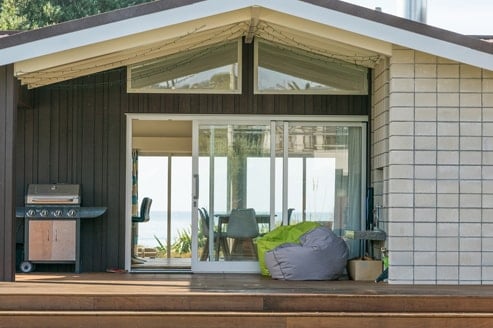
Beyond the Beach: Fincas, Equestrian Properties, Eco Homes & Turnkey Living in Costa Rica
Not every buyer coming to Costa Rica wants a condo in a resort community. Some want land. Livestock. Solar panels and rainwater collection. A home that’s already set up and ready to enjoy the first week you arrive. The specialty property market in Guanacaste and greater Costa Rica offers some of the most unique real estate opportunities in the Americas — from working fincas to sustainable eco homes designed to leave almost no environmental footprint. This guide is for buyers who are looking beyond the beachfront listings.
Table of Contents
- Fincas for Sale in Costa Rica: Land, Agriculture, and Possibility
- Equestrian Property in Costa Rica
- Horse Farms for Sale in Costa Rica
- Sustainable Eco Homes in Costa Rica
- Turnkey Homes in Costa Rica: Ready From Day One
- Frequently Asked Questions About Specialty Property in Costa Rica
Fincas for Sale in Costa Rica: Land, Agriculture, and Possibility
A finca is simply the Spanish word for farm — but in Costa Rica, it describes a broad category of rural or semi-rural property that can range from a small hobby farm with a modest house to hundreds of acres of working agricultural land. Fincas for sale in Costa Rica attract a wide range of buyers: cattle ranchers, organic farmers, homesteaders, eco-resort developers, equestrian enthusiasts, and Americans who simply want more land than the beach community market provides.
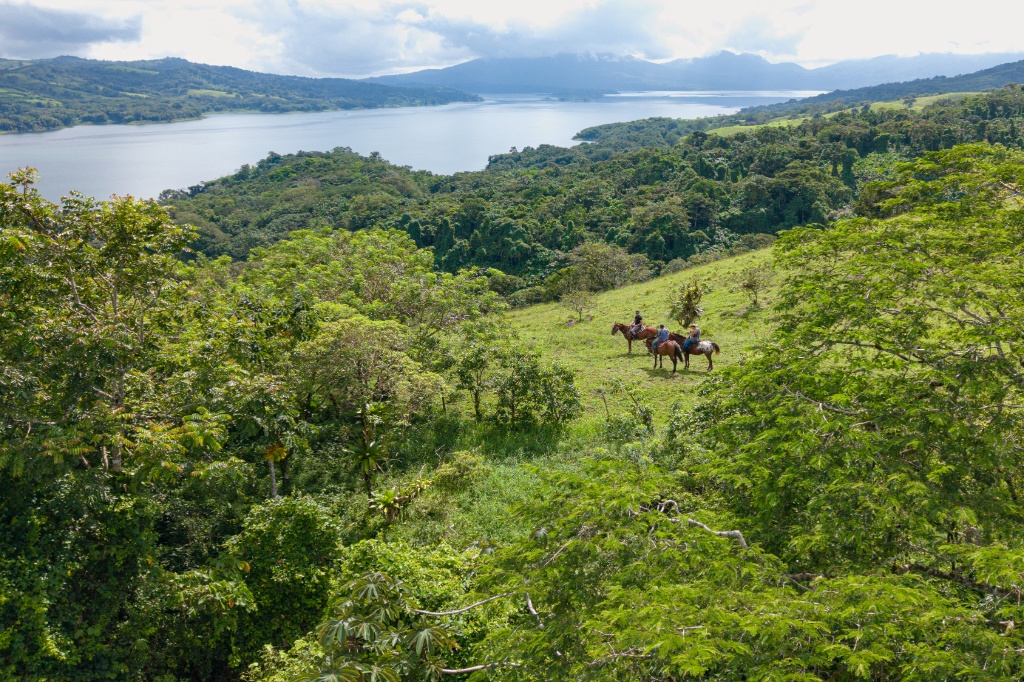
What makes a Costa Rican finca attractive:
The country’s agricultural land is genuinely productive. Costa Rica’s volcanic soils and climate support an extraordinary range of crops: tropical fruit (pineapple, papaya, mango, banana), coffee at higher elevations, sugar cane, hardwood timber, and orchids. Many buyers purchase fincas with an existing agricultural operation that generates income — a small pineapple plantation, a citrus grove, or a cattle pasture.
Price ranges for fincas:
Prices vary significantly based on location, water rights, existing improvements, and size:
- Small hobby fincas (5–15 acres) with basic house: $100,000–$300,000
- Mid-size productive farms (30–100 acres) in Guanacaste’s interior: $200,000–$800,000
- Large agricultural parcels (100+ acres): $500,000–$3M+
- Premium fincas near the coast with ocean views: $500,000–$2M+
Key due diligence for finca purchases:
Water rights (derechos de agua) are critical and must be verified independently. The National Registry and SENARA (Costa Rica’s water management agency) maintain records of registered water concessions. A finca with well water or a registered river concession is far more valuable than one without. Your attorney should verify water rights early in the due diligence process.
Land use zoning (uso de suelo) also matters. Agricultural land, development land, forest reserve, and protected zone land each have different rules about what can be built and what must be preserved. Working with a local attorney who understands regional zoning is essential.
Contact Flamingo Beach Realty for referrals to brokers who specialize in the Guanacaste finca and agricultural land market.
Equestrian Property in Costa Rica
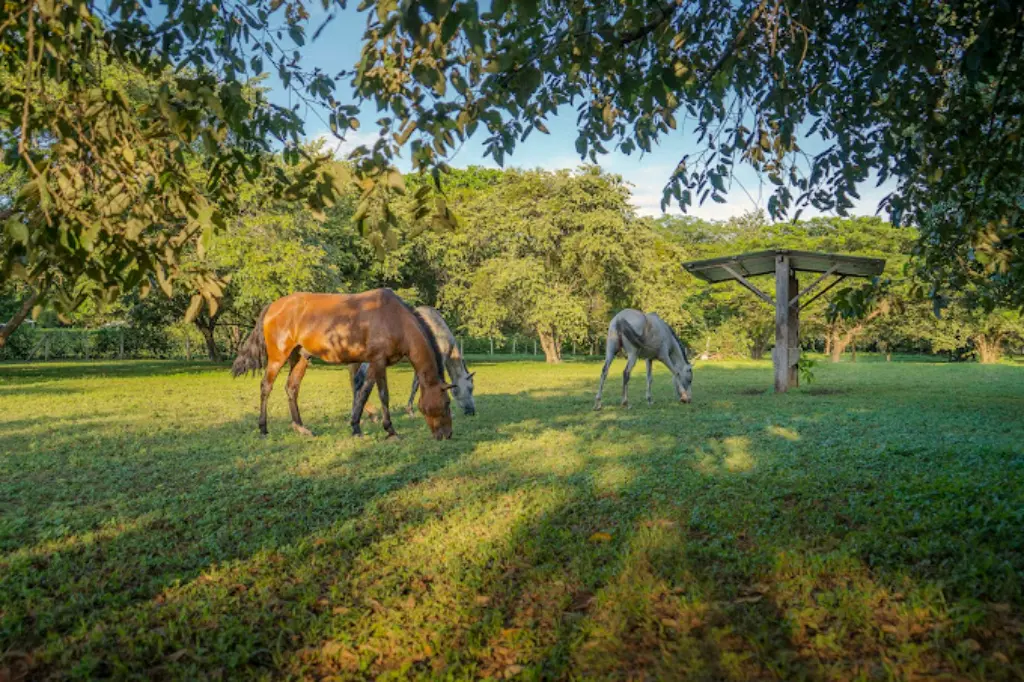
Costa Rica has a genuine equestrian culture. Horses are part of daily life in Guanacaste’s cattle-ranching interior, and the province hosts traditional Tope (horse parade) celebrations that are among the largest in the country. For American equestrians — trail riders, dressage practitioners, show jumpers, or simply horse lovers — equestrian property in Costa Rica offers a lifestyle that is extremely difficult to find at comparable prices anywhere in North America.
Dedicated equestrian properties in Guanacaste typically feature several key elements:
- Stabling: Quality stalls with concrete floors, proper ventilation for the tropical climate, and automatic waterers
- Tack room and feed storage: Secure, dry, and accessible
- Pasture land: Well-fenced, manageable grazing areas; Guanacaste’s dry season requires either irrigation or supplemental feeding from May through November
- Riding arena: Many properties have basic flat work areas; those with full arenas (60x20m) are more valuable
- Trail access: The Guanacaste interior offers exceptional trail riding through dry forest, cattle country, and mountain terrain
Equestrian property in Costa Rica for sale ranges from small hobby properties with a few stalls to full training facilities. Prices for dedicated equestrian operations with quality stabling, arena, and 5–30 acres of pasture typically run $250,000–$1.5M depending on infrastructure quality, location, and land area.
For buyers who want the equestrian lifestyle combined with beach proximity, the greater Tamarindo and Flamingo interior — typically 20–40 minutes from the coast — offers the best combination of accessible prices, manageable land, and reasonable distance to beach amenities.
Hacienda Pinilla is worth noting for established equestrians: the community has a working equestrian center within its boundaries, making it a rare option for those who want resort amenities alongside horse facilities.
Horse Farms for Sale in Costa Rica
A horse farm for sale in Costa Rica typically implies a larger operation than a simple equestrian property — often including breeding stock, training infrastructure, commercial boarding facilities, or working cattle/equestrian crossover operations.
The Guanacaste interior and the Nicoya Peninsula hold many of the country’s most significant horse farm operations. Traditional working cattle ranches in the region often maintain quality horses as working animals — not as a luxury but as operational tools for a cattle operation. Buying one of these working properties gives you both the agricultural asset and the equestrian infrastructure.
Key considerations for horse farm buyers:
- Veterinary access: A reliable large-animal veterinarian within reasonable distance is essential. The Guanacaste corridor has improving veterinary services but options are not as dense as in North America.
- Feed supply: Quality hay is available but more expensive than in North American markets. Many horse farm owners grow or source local feed options to manage costs.
- Climate management: The tropical climate requires thoughtful stall design for ventilation. Heat stress in horses is a real concern during the dry season.
- Staffing: A horse farm in Costa Rica will require local staff (mozo de cuadra) for daily care. Labor costs are lower than in North America, and local agricultural workers are experienced with horses.
Properties that combine a horse operation with a quality residence — especially those with both interior land and ocean view positioning — are rare and hold their value well. Working with a specialist who knows both the agricultural and residential markets is important; the team at Flamingo Beach Realty can connect you with the right resources.
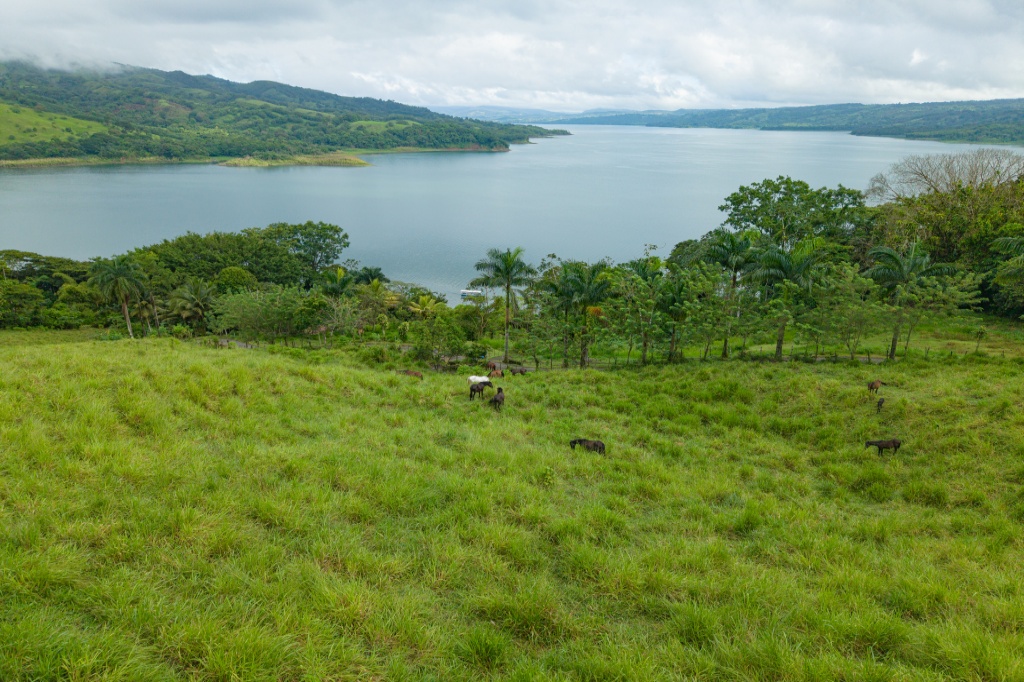
Sustainable Eco Homes in Costa Rica
Costa Rica is the logical destination for buyers who want to live closer to nature and lower their environmental impact. The country has been a global leader in conservation and sustainability for decades — it generates over 99% of its electricity from renewable sources and has reversed deforestation rates that plagued much of Central America in the 20th century.
Sustainable eco homes in Costa Rica range from basic off-grid construction to architect-designed contemporary homes that are net-zero or net-positive on energy and water. The best examples of this property type integrate rainwater collection, solar energy, natural ventilation design (eliminating the need for air conditioning), greywater recycling, and locally-sourced construction materials.
What an eco home in Costa Rica typically includes:
- Solar panels: Rooftop photovoltaic systems with battery backup are increasingly common and increasingly affordable. A typical 3-bedroom home can be energy-independent for $15,000–$30,000 in solar system costs.
- Rainwater collection: Costa Rica’s green season delivers abundant rainfall. A well-designed collection and filtration system can supply an entire household year-round with minimal municipal water reliance.
- Natural ventilation: Strategic window and louver placement, combined with elevated siting to capture prevailing breezes, can eliminate air conditioning needs in well-designed homes — a significant operating cost reduction.
- Construction materials: Bamboo, reclaimed hardwood, rammed earth, and local stone are all used in eco-focused construction in Costa Rica.
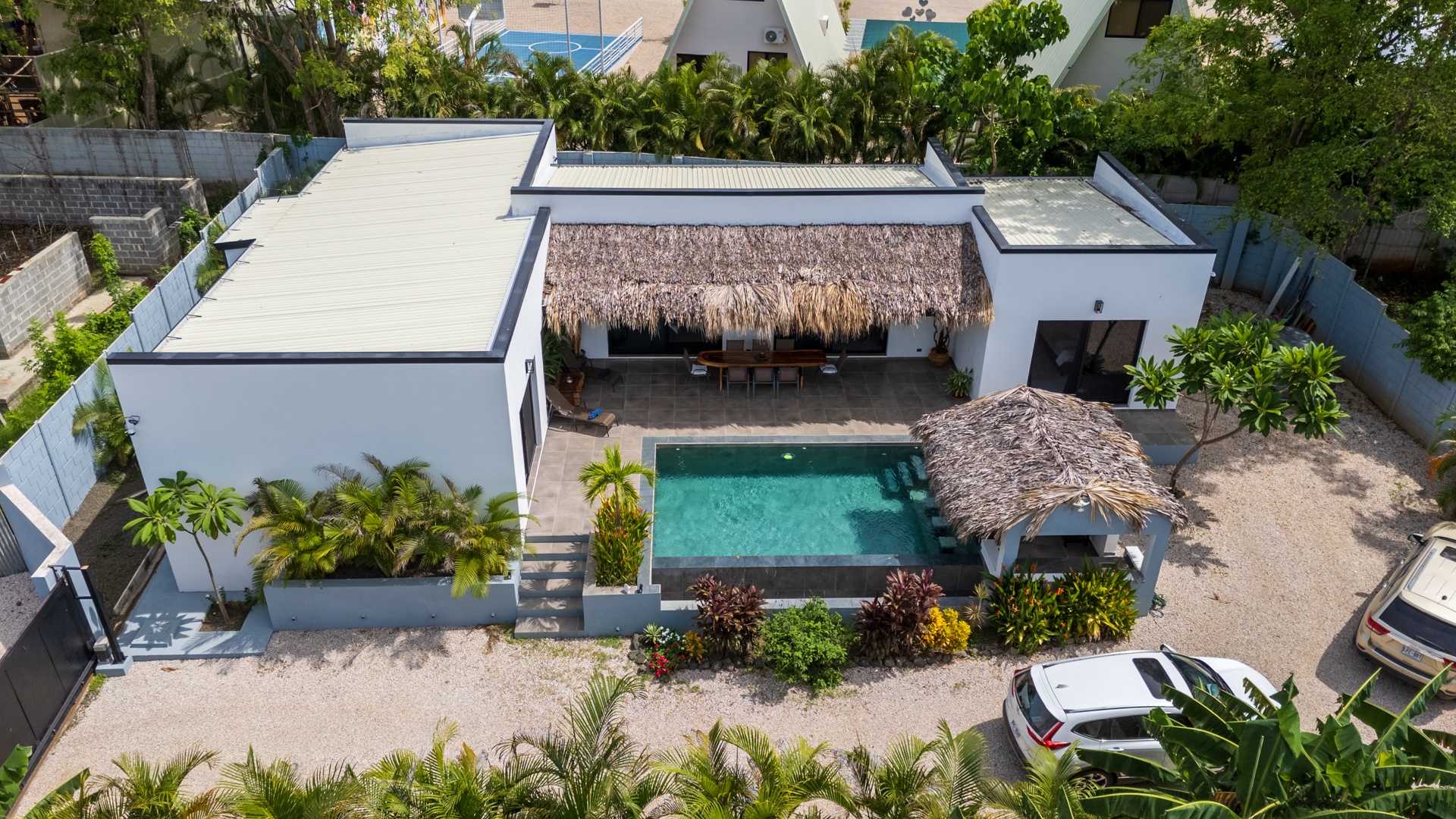
Where eco homes are concentrated: The southern Guanacaste and Nicoya Peninsula areas — particularly around Sámara, Nosara, and the Nicoya interior — attract the highest concentration of intentionally sustainable properties. The landscape there is lusher and more biodiversity-rich than the drier northern Guanacaste, which resonates with conservation-minded buyers.
Price considerations: Quality sustainable eco homes in Costa Rica are not necessarily cheaper than conventional construction — good solar systems, rainwater infrastructure, and thoughtful design cost money. Expect prices comparable to equivalent conventional homes, with lower long-term operating costs as the payoff. Buyers who prioritize sustainability and are willing to build will find the most flexibility, as the existing market for finished eco homes is relatively thin.
Turnkey Homes in Costa Rica: Ready From Day One
Not every buyer wants a project. Turnkey homes in Costa Rica are the opposite end of the spectrum from a finca or a build-your-own eco project — fully furnished, fully equipped, and ready to enjoy (or rent) from the day you take possession.
The turnkey market in Guanacaste is largely driven by sellers who have operated their properties as vacation rentals and want to pass along the complete operation: the furniture, the rental calendar, the guest reviews, the management relationships. For investment buyers, a true turnkey vacation rental is a compelling acquisition — you’re buying not just a property but an operating business with a track record.
What turnkey typically includes:
- All furniture and fixtures
- Kitchen equipment, linens, and housewares
- Outdoor furniture, BBQ, pool equipment
- Sometimes: existing vacation rental bookings, guest reviews, and property management relationships
- Always: a clearly defined inventory in the purchase contract
Key due diligence for turnkey properties: Request occupancy records and rental income statements for the past 2–3 years. A legitimate turnkey rental seller will have Airbnb/VRBO listing history, cleaning and management contracts, and maintenance records. If a seller can’t provide rental income documentation, the “turnkey” label may be more marketing than substance.
Pricing premium: Turnkey properties typically carry a 5–15% premium over comparable unfurnished homes. For investment buyers, this premium is often justified by the immediate income-generating capability of the property — no furnishing delays, no staging, no ramp-up period. Browse current listings to see which properties are available turnkey today.
Frequently Asked Questions About Specialty Property in Costa Rica
What is a finca in Costa Rica?
A finca is a farm or rural property — the term covers everything from a small hobby homestead to a large working agricultural operation. In the real estate market, it typically implies a property with meaningful land (5+ acres), some agricultural component, and often a rural rather than resort setting.
Can foreigners own fincas and farms in Costa Rica?
Yes. Foreign nationals have the same right to own agricultural land as Costa Rican citizens. There are no restrictions on the purchase of titled agricultural property regardless of residency status.
How much does equestrian property cost in Costa Rica?
Prices range from $150,000–$250,000 for basic small-acreage properties with a few stalls to $1.5M+ for well-equipped training facilities with quality infrastructure. Location, water access, and infrastructure quality are the biggest pricing variables.
What is the best area for eco-friendly property in Costa Rica?
The Nicoya Peninsula — particularly the Nosara, Sámara, and Garza areas — has the highest concentration of intentionally sustainable and eco-designed properties. These communities attract conservation-minded buyers who have helped establish a culture of sustainability in the local market.
What does turnkey mean in Costa Rica real estate?
A turnkey property is one that is sold fully furnished and equipped — ready to use or rent from day one. In the vacation rental market, it often also means an established rental history, existing management relationships, and immediate income-generating capability.
Are sustainable homes cheaper to operate in Costa Rica?
Yes, meaningfully so over time. A solar-equipped, rainwater-collecting, naturally ventilated home in Costa Rica can reduce monthly utility costs by 60–80% compared to a conventionally built and operated property. The upfront investment in sustainability systems typically pays back within 5–8 years.
The team at Flamingo Beach Realty works across all property types in Guanacaste — from beachfront resort condos to working fincas in the interior. If you’re looking for something beyond the standard listings, contact us today and let’s talk about what’s possible.