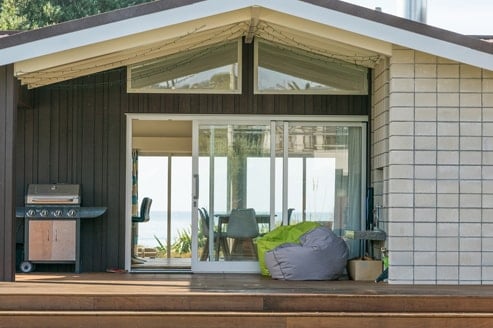
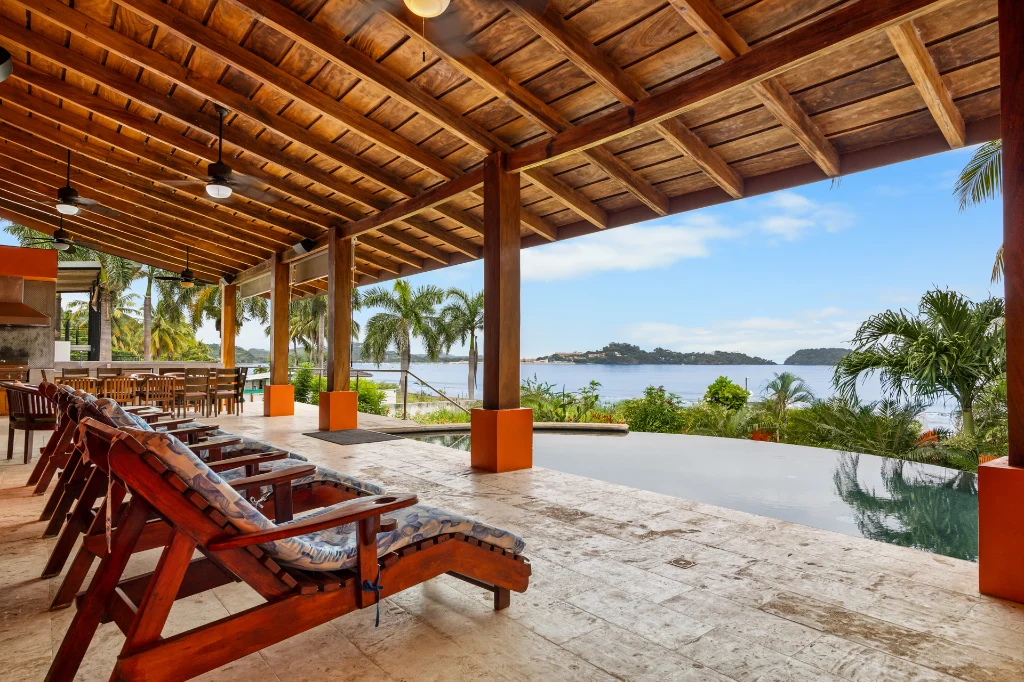
Living in Guanacaste, Costa Rica offers more than warm weather and beautiful beaches. For many residents, the real appeal is the opportunity to build a lifestyle around nature, community, outdoor activities, and a slower pace of everyday life.
Located in the northwestern part of Costa Rica along the Pacific coast, Guanacaste is one of the country’s most popular regions for international residents and property buyers. Its coastline includes well known communities such as Playa Flamingo, Potrero, Brasilito, Playa Grande, Tamarindo, Playa Hermosa, and Playas del Coco, each offering a different interpretation of coastal living.
The region also has a strong local identity. Guanacaste is known for its tropical dry forests, cattle ranching traditions, beaches, agriculture, music, food, and celebrations. At the same time, its coastal communities have developed international populations that bring together residents from Costa Rica and around the world.
For families, retirees, remote professionals, and real estate investors, understanding the lifestyle is just as important as understanding the property market.
A beautiful home may be the starting point, but the community, climate, schools, services, accessibility, and day to day experience ultimately shape what living in Guanacaste feels like.
Table of Contents
- What Pura Vida Means in Everyday Life
- Guanacaste Climate and Outdoor Living
- Choosing the Right Beach Community
- Community, Schools, and International Living
- The Practical Side of Life in Guanacaste
- Guanacaste Lifestyle and Real Estate
1. What Pura Vida Means in Everyday Life
“Pura Vida” is one of the phrases most closely associated with Costa Rica. Literally translated, it means “pure life,” but its everyday use carries a broader meaning. It can express happiness, appreciation, friendliness, or simply an optimistic approach to life.
In Guanacaste, this idea often feels closely connected to the environment.
Life near the coast naturally encourages people to spend more time outside. A morning can begin with coffee on a terrace, a walk along the beach, a surf session, or a workout before the heat of the afternoon. Evenings often revolve around dinner, family, friends, and watching the sun disappear over the Pacific.
That does not mean life in Guanacaste is a permanent vacation. Residents still work, run businesses, manage homes, take children to school, deal with traffic, and handle everyday responsibilities. What changes is often the setting and the rhythm surrounding those responsibilities.
For many international buyers, this is an important part of the attraction.
Someone relocating from a large city may be looking for a quieter environment. A retiree may want to spend more time outdoors. A family may want their children to grow up with greater access to nature. A remote professional may want to work from home while living close to the beach.
The definition of Pura Vida can therefore be quite personal.
For one person, it might mean surfing before work. For another, it could mean having lunch with neighbors or taking a family walk at sunset.
The lifestyle is also influenced by the strong sense of community found in many Guanacaste towns. Local businesses, restaurants, schools, sports activities, and community events create opportunities for people to interact regularly.
International residents often become part of this community while still maintaining connections with their home countries. That combination of local culture and international influence has become an important characteristic of the region.
2. Guanacaste Climate and Outdoor Living
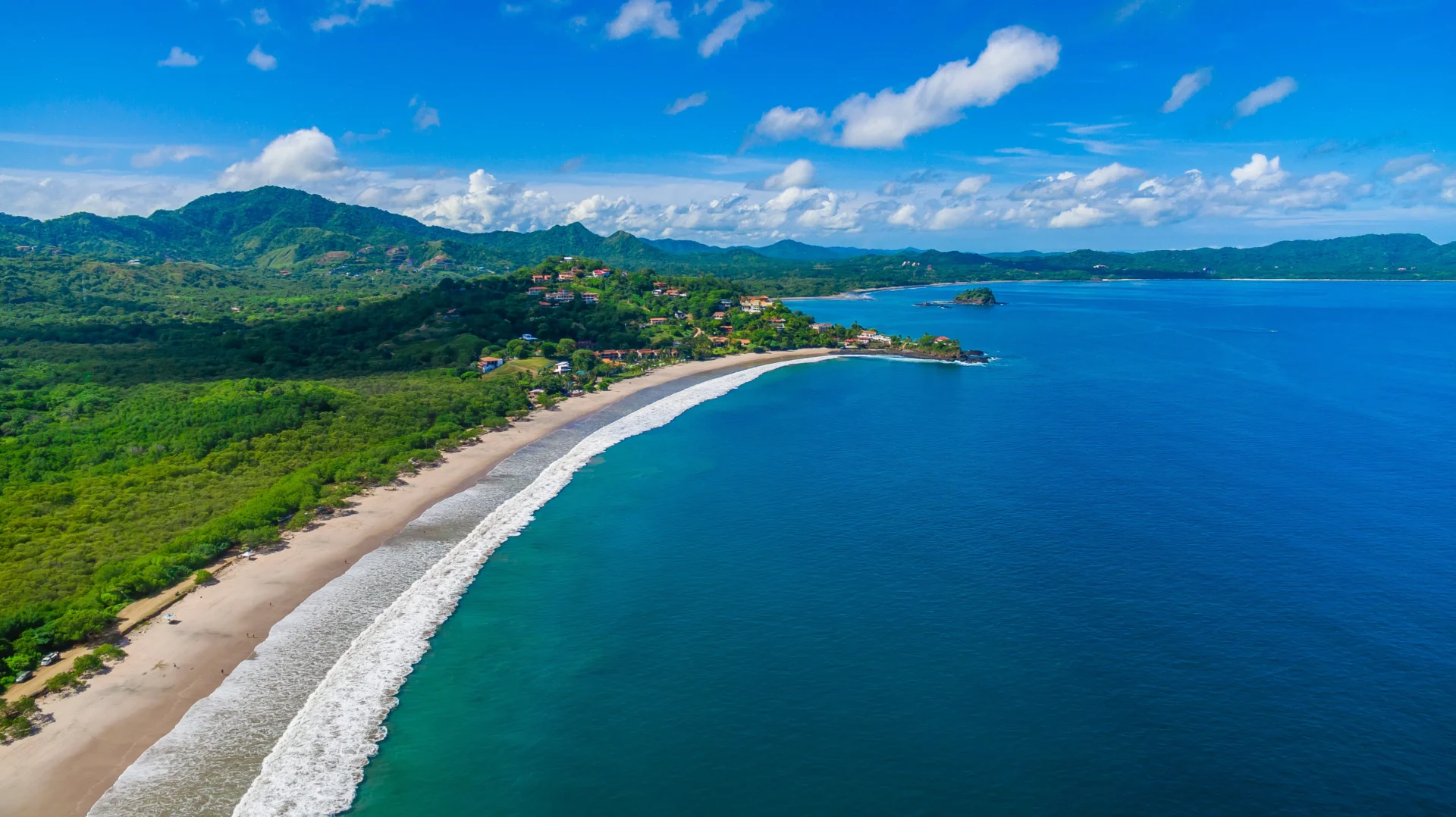
One of Guanacaste’s strongest lifestyle advantages is its climate.
The region is part of Costa Rica’s North Pacific and is known for having a pronounced dry season compared with many other parts of the country. Costa Rica’s official tourism information describes Guanacaste’s dry period as generally lasting from December through March, with April as a transition month. The wetter period begins around May and continues through the later months of the year.
This seasonal pattern has a noticeable effect on everyday life.
During the dry season, sunny days and relatively low rainfall make it easy to plan time outdoors. Beaches become central gathering places, and activities such as surfing, swimming, sailing, fishing, paddleboarding, hiking, and boating are readily accessible along the coast.
The green season brings a different side of Guanacaste.
Rainfall changes the landscape, bringing new growth to the tropical dry forest and creating greener hillsides and vegetation. Rain does not necessarily mean that outdoor life stops. In many coastal areas, mornings can still be suitable for outdoor activities, with rainfall often arriving later in the day.
For homeowners, understanding the seasonal climate is important.
The weather can influence everything from landscaping and gardening to road conditions, drainage, home maintenance, and outdoor living spaces. Buyers should consider how a property performs throughout the year rather than evaluating it only during a sunny vacation.
Architecture also plays an important role.
Homes designed for the Guanacaste climate often incorporate shaded terraces, covered outdoor areas, ventilation, large openings, landscaping, and materials selected for warm conditions. Pools and outdoor living areas are also common features in many residential properties.
This is one reason the connection between indoor and outdoor space is so important in Guanacaste real estate.
A well designed home can make outdoor living part of the property’s everyday function rather than treating the terrace or pool as an occasional feature.
3. Choosing the Right Beach Community
One of the biggest advantages of Guanacaste is the variety of communities available to buyers and residents.
The coastline is not one single market. Each town has its own atmosphere, services, housing options, and relationship with tourism.
Choosing the right location therefore requires more than simply searching for “homes near the beach.”
Playa Flamingo
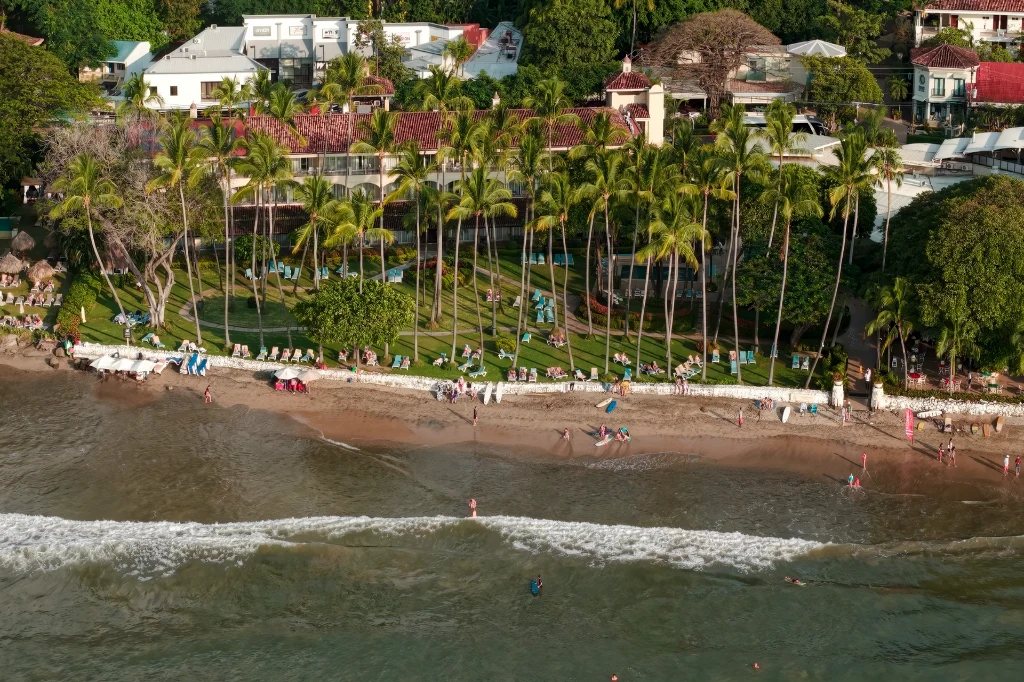
Playa Flamingo is one of Guanacaste’s best known coastal communities and has long been associated with upscale beach living, water activities, and ocean view real estate.
The beach is known for its white sand and attractive bay, while the surrounding hills provide elevated locations with ocean views. Costa Rica’s official tourism guide describes Playa Flamingo as a white sand beach surrounded by luxury homes and clear Pacific waters.
The community is also home to Marina Flamingo, adding a strong boating and sportfishing component to the local lifestyle. The marina’s presence has helped reinforce Flamingo’s position as a destination for boating, fishing, sailing, and coastal recreation.
For real estate buyers, Playa Flamingo can offer a combination of beach access, restaurants, services, ocean views, and luxury properties.
Playa Potrero
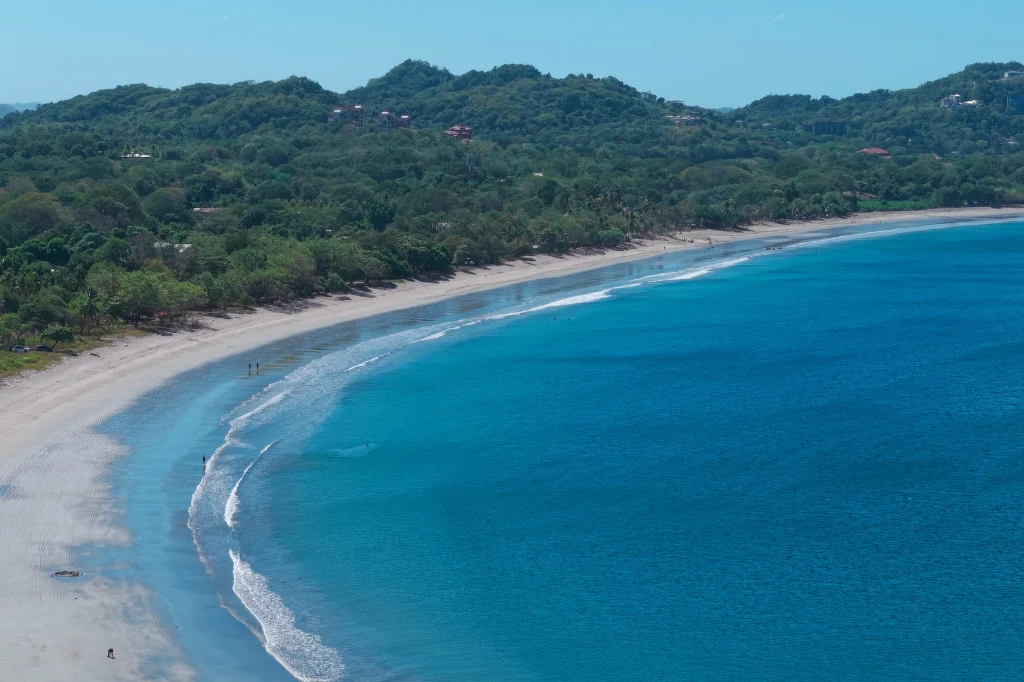
Playa Potrero offers a quieter coastal experience.
The community has a more residential feel and is centered around a broad bay with calmer waters. It is popular with families, retirees, long term residents, and buyers who want to remain close to the area’s beaches without living in one of the busier tourism centers.
Potrero also provides convenient access to neighboring beaches and communities, including Playa Penca, Playa Prieta, Brasilito, and Flamingo.
The area’s housing options range from condominiums and smaller villas to larger private homes and investment properties.
Reserva Conchal
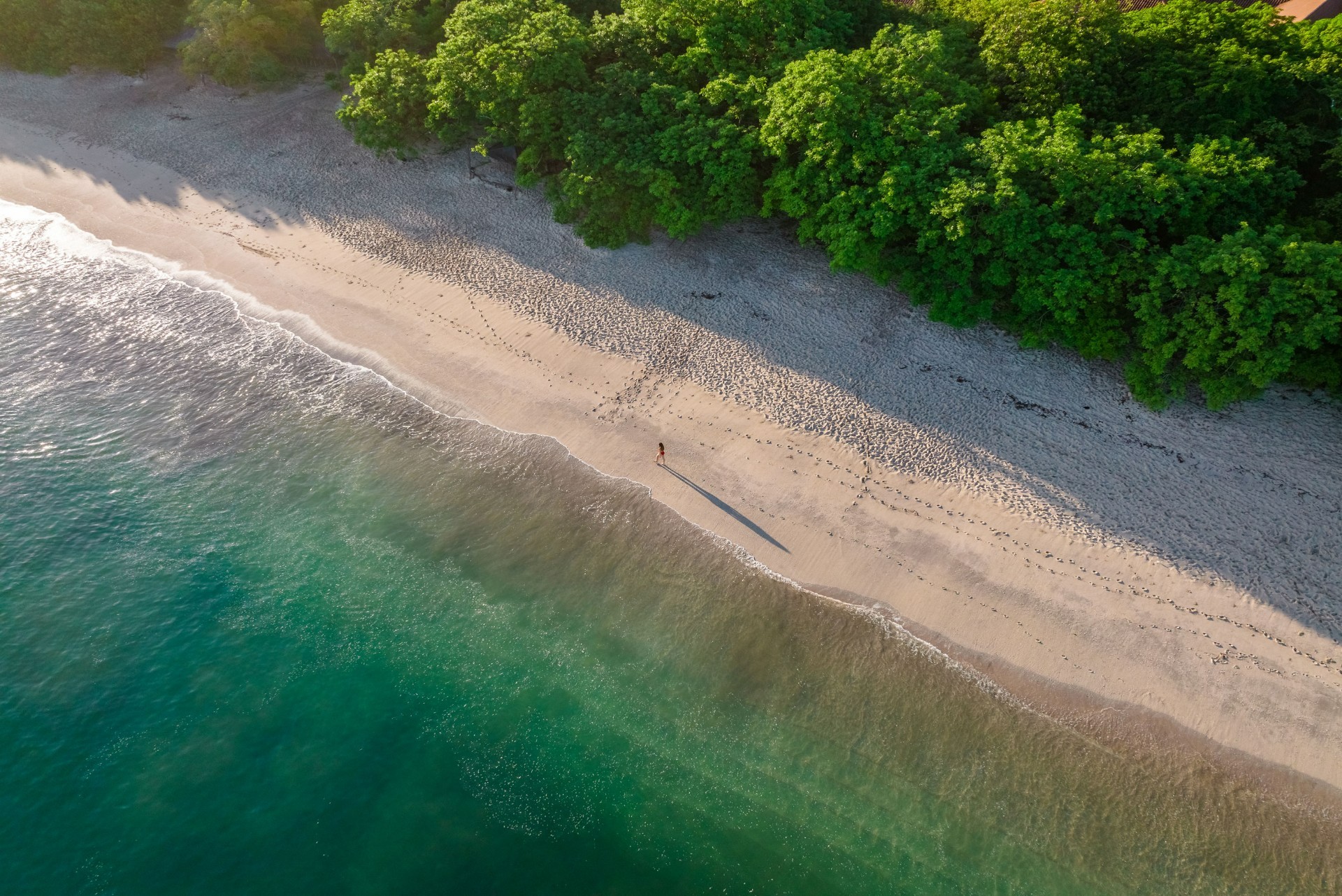
Reserva Conchal offers a different type of lifestyle.
Rather than a traditional beach town, it is a master planned resort community with residential properties, resort amenities, golf, and access to Playa Conchal.
This type of environment can appeal to buyers who prefer managed community infrastructure, resort amenities, security, and a more structured residential setting.
The community is particularly relevant for buyers looking for luxury condos, villas, and resort oriented properties.
Tamarindo
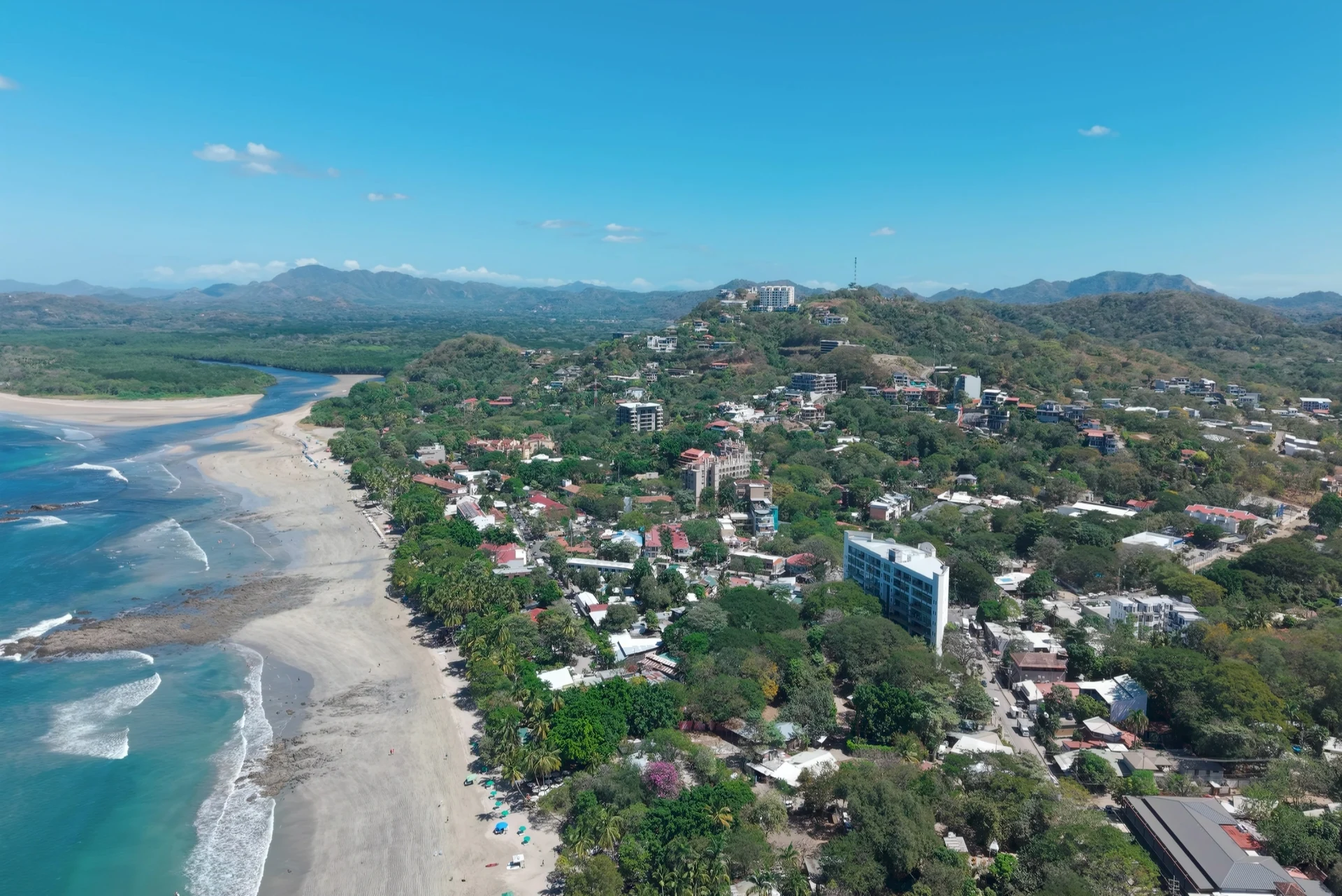
Tamarindo offers one of the most active lifestyles on the Guanacaste coast.
The town is known for surfing, restaurants, shopping, nightlife, tourism, and a strong international community. It has a larger commercial center than many neighboring beach towns, making it attractive to people who prefer having a wider range of services within close reach.
Tamarindo is also an established vacation rental market, which makes it particularly interesting to investors evaluating properties based on tourism demand.
Playa Grande
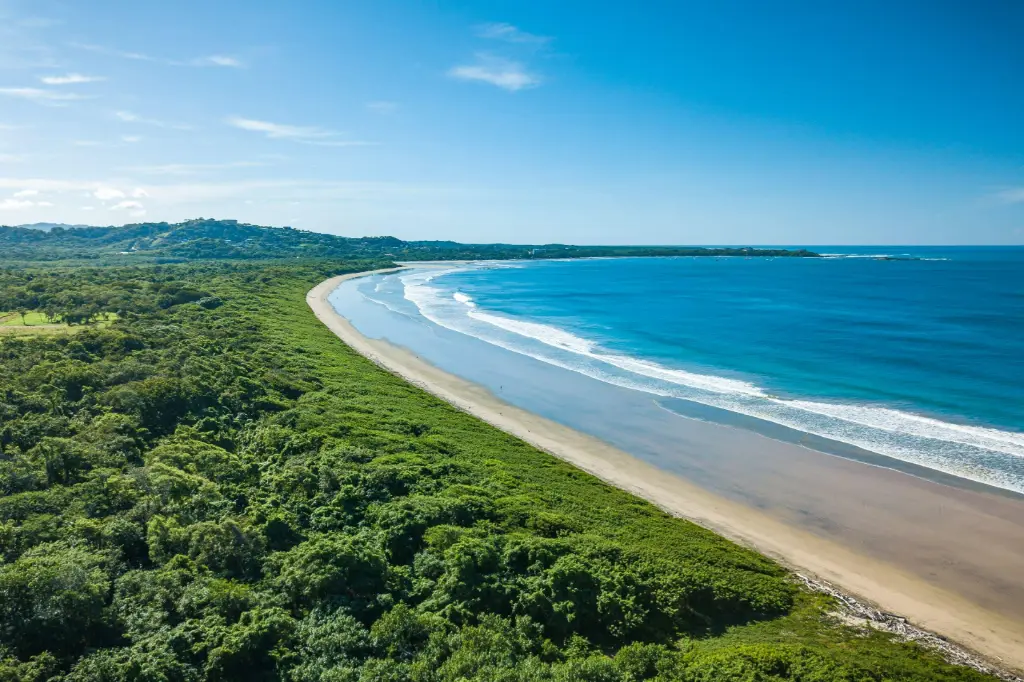
Playa Grande offers another perspective.
Located north of Tamarindo, the community has a strong connection to surfing and nature. Its proximity to Las Baulas National Marine Park contributes to a more conservation oriented character.
The area can appeal to buyers looking for a quieter setting, larger properties, investment opportunities, and a stronger connection to the surrounding natural environment.
These communities demonstrate why choosing a Guanacaste property should begin with choosing a lifestyle.
A buyer who wants nightlife may be happier in Tamarindo. Someone seeking a quieter residential setting may prefer Potrero. A luxury buyer interested in resort amenities may gravitate toward Reserva Conchal, while a buyer focused on boating and upscale coastal living may find Playa Flamingo particularly attractive.
4. Community, Schools, and International Living
Guanacaste has developed a significant international community while retaining its strong Costa Rican identity.
This combination is particularly important for families considering a permanent move.
One of the major advantages for families in the northern coastal region is access to established international schools.
La Paz Community School operates two campuses in Guanacaste: Cabo Velas and Tempisque. Its Cabo Velas campus is located near communities including Potrero, Flamingo, Brasilito, Playa Grande, Tamarindo, and others along the central coastal region. The school offers bilingual, experiential education and is accredited by Costa Rica’s Ministry of Public Education as well as the International Baccalaureate Organization.
The school describes its Cabo Velas campus as being approximately one kilometer from the Pacific Ocean and designed to connect students with the surrounding Guanacaste landscape through outdoor and experiential learning.
Another established option is Costa Rica International Academy, or CRIA.
CRIA is located in Brasilito, approximately 500 meters south of Reserva Conchal. The school describes itself as a US and Costa Rican Ministry of Education accredited institution serving students on the Gold Coast of Guanacaste.
For families considering Playa Flamingo, Potrero, Brasilito, Reserva Conchal, Playa Grande, or Tamarindo, the location of these schools can be an important factor when evaluating where to live.
School commute times should always be checked from the specific property rather than estimated solely from the community name.
Community life extends beyond schools.
Residents participate in sports, fitness activities, beach cleanups, cultural events, social gatherings, and local organizations. The region’s international population has also contributed to a broad selection of restaurants, wellness services, recreational activities, and businesses catering to both local and international residents.
At the same time, Guanacaste’s cultural identity remains firmly rooted in Costa Rican traditions.
The province is known for its sabanero heritage, cattle ranching history, traditional music, regional food, and community celebrations. July 25, Día de la Anexión del Partido de Nicoya a Costa Rica, is particularly significant in Guanacaste and is celebrated throughout the province.
This mixture of Costa Rican heritage and international influence gives the coastal communities a character that is difficult to replicate elsewhere.
5. The Practical Side of Life in Guanacaste
The lifestyle may be relaxed, but moving to Guanacaste still requires thoughtful planning.
One of the first considerations is transportation.
Some beach communities have restaurants, shops, schools, and services nearby, but owning a car can still be useful for many residents. The need for a vehicle depends heavily on location, work schedule, family needs, and how often someone wants to explore the surrounding region.
Road conditions also vary between communities. Main roads and established areas are generally easier to navigate, while rural and unpaved roads can require more care, particularly during the rainy season.
Healthcare and specialized services are another consideration.

Many coastal communities have clinics, pharmacies, and basic medical services, but residents may travel to larger centers for certain specialists, hospitals, or complex medical needs.
Liberia is an important regional service center, and San José remains the country’s primary hub for many specialized services.
Airport accessibility is another reason Guanacaste is attractive to international homeowners.
Liberia’s Guanacaste Airport provides international connections and is relatively convenient for many northern Pacific communities. For example, the driving distance from the airport to Playa Flamingo is approximately 43 kilometers, with travel time around an hour under typical conditions, although actual times vary with traffic and road conditions.
For people who maintain homes in both Costa Rica and another country, this accessibility can make seasonal ownership more practical.
Internet connectivity should also be checked at the property level.
Remote professionals should confirm the specific internet providers, available speeds, backup options, and reliability at a prospective home rather than assuming that every property in the same community has identical service.
Language is another part of settling into Guanacaste.
English is widely used in many tourism oriented coastal communities, but Spanish remains the country’s official language. Learning Spanish can make daily interactions easier and can help international residents develop stronger connections with local communities.
Finally, buyers should understand the legal structure of property ownership.
Foreigners can generally own titled property in Costa Rica under the same ownership framework as Costa Rican citizens. However, property located within the Maritime Terrestrial Zone can be subject to concession rules and additional restrictions. This distinction is particularly important when considering beachfront property.
A qualified Costa Rican attorney should review the property’s title, zoning, boundaries, permits, water situation, liens, and other relevant matters before a purchase is completed.
6. Guanacaste Lifestyle and Real Estate
For many buyers, lifestyle is ultimately the starting point for a Guanacaste real estate decision.
The question is not simply how much a property costs. It is how the property supports the life you want to live.
A family may prioritize school access, multiple bedrooms, outdoor space, and a practical commute.
A retiree may prefer a single level home, low maintenance, proximity to services, and easy access to the beach.
An investor may focus more heavily on rental demand, property management, operating expenses, and location.
A vacation homeowner may want an ocean view, pool, outdoor living area, and convenient access to restaurants and activities.
Guanacaste offers options across all of these categories.
Real estate ranges from condominiums and townhomes to private villas, gated community residences, beachfront properties, ocean view homes, and larger parcels of land.
The location can also have a major effect on the ownership experience.
A property in a busy tourism center may provide stronger access to restaurants, activities, and rental demand. A home in a quieter community may offer more privacy and a stronger residential atmosphere. A property farther inland may provide more land and potentially greater value, but could require more driving.
There is no single “best” location in Guanacaste.
The best location is the one that aligns with the buyer’s priorities.
This is why working with a local real estate professional can be particularly valuable. Someone familiar with the individual communities can help buyers compare not only property prices but also infrastructure, accessibility, community character, rental considerations, schools, and the practical realities of ownership.
For buyers considering Guanacaste real estate, it is also worth spending time in several communities before making a final decision.
Visit during different times of day. Drive the route to school or work. Visit the grocery store. Try the restaurants. Spend time on the beach. Check internet service. Talk with residents.
A property may look perfect online, but the surrounding community is what becomes part of everyday life.
Frequently Asked Questions About Living in Guanacaste, Costa Rica
What is it like living in Guanacaste, Costa Rica?
Life in Guanacaste generally centers around outdoor living, warm weather, beaches, community, and a more relaxed pace. The experience varies significantly by location, with communities such as Tamarindo, Playa Flamingo, Potrero, Reserva Conchal, and Playa Grande each offering a different lifestyle.
Is Guanacaste a good place for families?
Guanacaste can be an excellent option for families, particularly in communities within reasonable reach of established schools and everyday services. La Paz Community School has campuses in Cabo Velas and Tempisque, while CRIA is located in Brasilito near Reserva Conchal.
What is the climate like in Guanacaste?
Guanacaste has a pronounced dry season and green season. The dry period generally runs from December through March, with April serving as a transition month. The rainy period begins around May.
Is Playa Flamingo a good place to live?
Playa Flamingo can be a strong choice for people looking for a coastal community with a white sand beach, ocean views, boating, sportfishing, restaurants, and a variety of residential properties. The community also benefits from its proximity to neighboring beaches and services.
How far is Playa Flamingo from Liberia Airport?
Playa Flamingo is approximately 43 kilometers by road from Liberia’s Guanacaste Airport. Driving time is generally around an hour, although actual travel time can vary.
Can foreigners buy property in Guanacaste?
Yes. Foreigners can generally own titled property in Costa Rica. However, Maritime Zone properties can be subject to concession regulations and different ownership considerations. Buyers should have a Costa Rican attorney conduct proper due diligence before purchasing.
Which Guanacaste communities are popular with international residents?
Popular communities include Playa Flamingo, Potrero, Brasilito, Reserva Conchal, Tamarindo, Playa Grande, Playas del Coco, and Playa Hermosa. The right community depends on priorities such as schools, beach access, nightlife, privacy, services, and real estate goals.
Is Guanacaste a good place for retirement?
For retirees who enjoy warm weather, outdoor activities, beaches, and an active social environment, Guanacaste can be an attractive option. Buyers should also consider healthcare access, transportation, home maintenance, insurance, and proximity to essential services before choosing a property.
Is Guanacaste good for real estate investment?
Guanacaste has established tourism destinations and a diverse real estate market, but investment potential varies by property and location. Buyers should examine actual rental history, operating costs, property management, seasonality, purchase price, and local regulations rather than relying on general assumptions about rental returns.
Final Thoughts
Living in Guanacaste Costa Rica is ultimately about creating a lifestyle that feels connected to the place around you.
For some, that means morning surf sessions and sunset walks. For families, it can mean raising children in an international community with greater access to outdoor activities. For retirees, it may mean enjoying a quieter coastal routine. For investors, the region offers an established tourism economy and a diverse property market to explore.
The important thing is finding the community that fits.
Playa Flamingo offers an upscale coastal environment with boating and marina access. Potrero provides a quieter residential atmosphere. Reserva Conchal combines resort amenities with residential living. Tamarindo offers a more active town environment, while Playa Grande provides a stronger connection to surfing and nature.
That variety is one of Guanacaste’s greatest advantages.
At Flamingo Beach Realty, we help buyers explore the different communities and real estate opportunities throughout Guanacaste. From beach condos and ocean view homes to luxury estates and investment properties, our local knowledge can help you understand not only the property, but the lifestyle that comes with it.
Explore Guanacaste real estate with Flamingo Beach Realty and discover where your Pura Vida could begin.