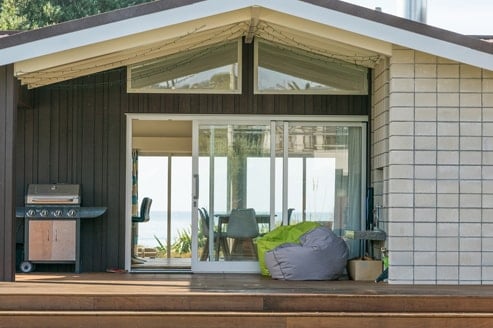

Guanacaste, Costa Rica offers more than beautiful beaches and warm weather. For many people who move to the region, the attraction is the opportunity to build a different kind of daily life, one that places greater emphasis on time outdoors, community, wellness, and a slower pace.
Located in Costa Rica’s northwestern Pacific region, Guanacaste is known for its tropical dry climate, long stretches of coastline, distinctive local culture, and growing collection of beach communities. Places such as Playa Flamingo, Tamarindo, Potrero, Playa Grande, Playas del Coco, and Playa Hermosa each have their own personality, giving buyers a wide range of lifestyle options within the same province.
The region has also become an important real estate destination. International buyers are drawn to Guanacaste for vacation homes, retirement properties, rental investments, and full time residences. Yet buying property is only one part of the decision. Understanding what everyday life actually looks like is just as important.
From morning walks on the beach to afternoons spent surfing, boating, hiking, or simply enjoying a meal with friends, life in Guanacaste can feel very different from the routine many people are accustomed to.
For those considering making the move, the question is not simply “What property can I buy in Guanacaste?” but also “What kind of life do I want to create here?”
Table of Contents
- What Pura Vida Really Means in Guanacaste
- Climate, Beaches and Everyday Outdoor Living
- Guanacaste Culture and the Growing International Community
- Family Life, Wellness and Education
- The Practical Side of Living in Guanacaste
- How the Lifestyle Connects to Guanacaste Real Estate
1. What Pura Vida Really Means in Guanacaste
The phrase Pura Vida is closely associated with Costa Rica, but its meaning goes beyond the literal translation of “pure life.” It is commonly used as a greeting, farewell, expression of appreciation, or response to a situation, and it has become closely connected with the country’s relaxed and positive cultural identity.
In Guanacaste, the idea can be especially easy to understand because the environment naturally encourages a slower rhythm.
A typical day might begin with coffee while watching the sunrise, followed by a walk, surf session, workout, or time at the beach. The afternoon could involve errands in town, lunch with friends, or a boat trip along the coast. In the evening, residents often gather for dinner or watch the sunset before heading home.
Of course, real life in Guanacaste is not an endless vacation. People work, manage businesses, take children to school, deal with traffic, maintain their homes, and handle all the ordinary responsibilities of daily life. The difference is often in how those responsibilities fit around the lifestyle.
The region’s outdoor environment makes it easier to incorporate nature into everyday routines. Exercise does not necessarily require a gym when beaches, trails, and the ocean are nearby. Socializing can happen over dinner at a local restaurant, at a community event, or during an afternoon at the beach.
This is one reason the lifestyle can be an important factor in the real estate decision.
A buyer who initially thinks they are simply looking for a vacation property may discover that they want to spend several months of the year in Costa Rica. Someone considering retirement may realize that proximity to the ocean and community amenities matters more than having a large house. A family may prioritize schools and services over being directly on the beach.
The property becomes a means of supporting the lifestyle rather than the entire reason for the move.
2. Climate, Beaches and Everyday Outdoor Living
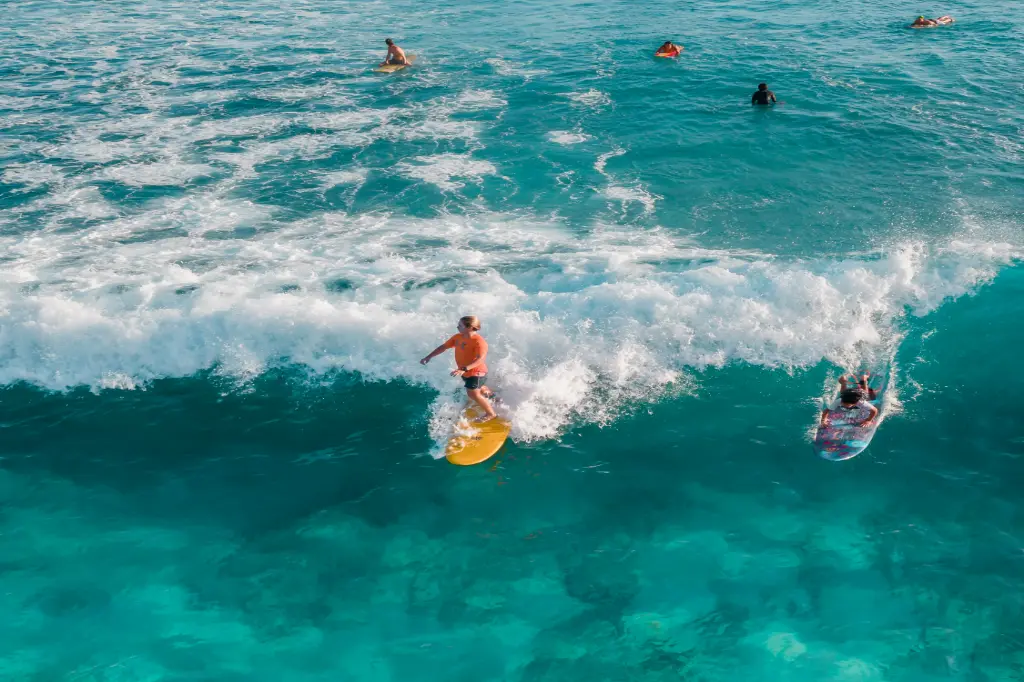
Guanacaste is known for having one of Costa Rica’s more pronounced dry seasons. According to Costa Rica’s official tourism information, the Pacific region’s dry season generally runs from December through March, with April serving as a transition month. The rainy season generally runs from May through October, followed by another transition period in November.
The climate varies across Costa Rica, but Guanacaste’s relatively dry conditions are one of the reasons the province has become so popular with visitors and international homeowners.
The dry season brings long periods of sunshine and is particularly attractive to people escaping colder winters in North America and Europe. The green season, meanwhile, transforms the landscape. Rain brings new growth to the tropical dry forest, temperatures can feel more comfortable, and the countryside becomes noticeably greener.
For residents, the changing seasons create different ways to enjoy the region.
During the dry months, mornings and evenings are often ideal for outdoor activities. Surfing, paddleboarding, fishing, boating, hiking, cycling, and beach walks are all part of life along the coast. The middle of the day can be warmer, making shaded terraces, pools, and indoor spaces with good airflow valuable features in a home.
The rainy season has its own appeal. Rain often arrives in afternoon or evening patterns, although weather varies from day to day. The countryside becomes greener, rivers and seasonal waterways fill, and the dry forest takes on a completely different appearance.
For real estate buyers, understanding the climate is important because it affects how a property is used and maintained.
A home that looks perfect during a sunny vacation may have different considerations during the rainy season. Buyers should think about drainage, road access, landscaping, roof maintenance, humidity, water management, and how comfortable the property is during both wet and dry periods.
Location also makes a significant difference.
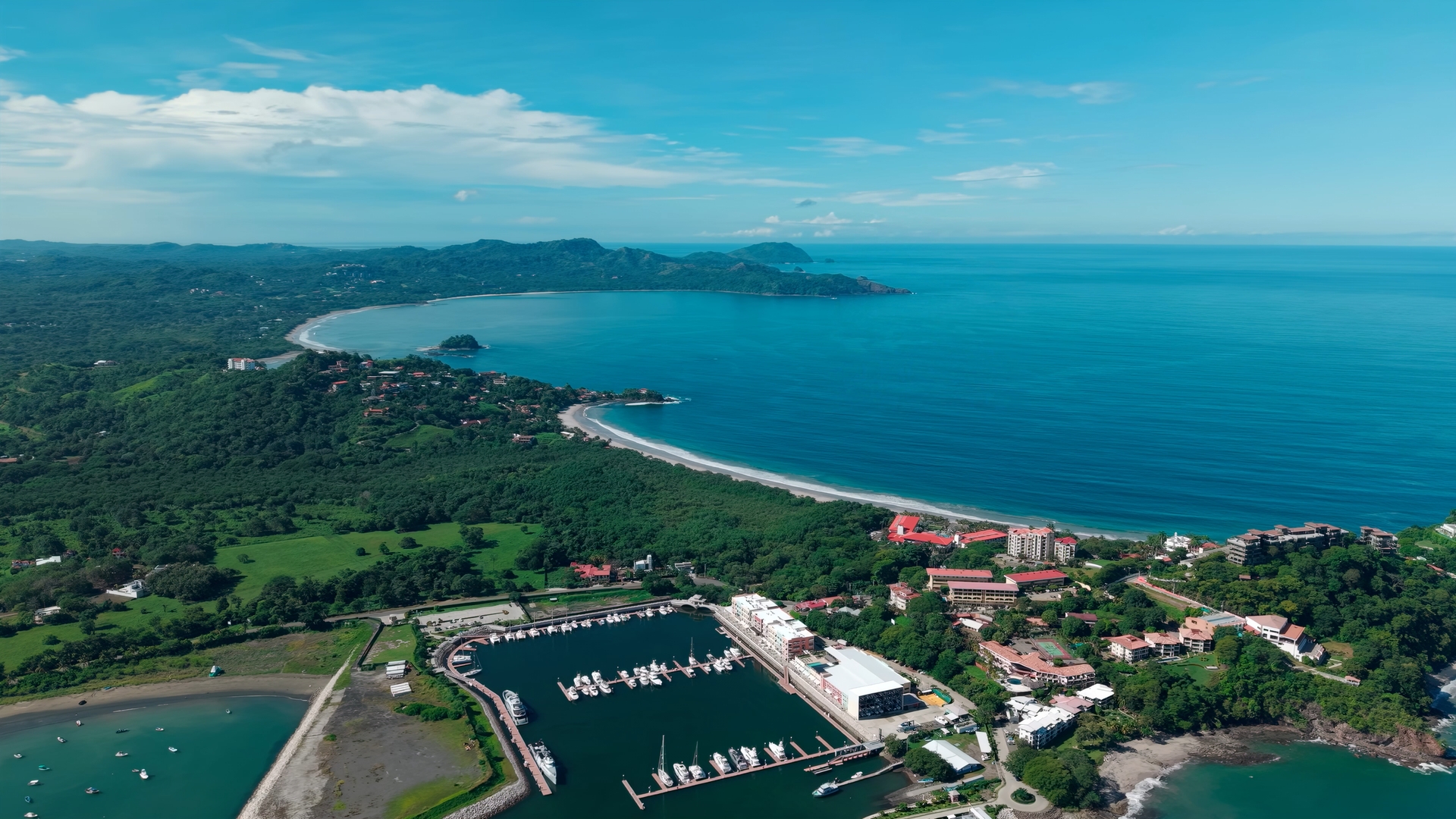
Playa Flamingo is known for its marina, beaches, restaurants, and established residential communities. Tamarindo offers a more energetic atmosphere with a larger commercial center, surfing, restaurants, shopping, and nightlife. Potrero provides a quieter residential environment while remaining close to beaches such as Playa Penca and Playa Prieta. Playa Grande appeals strongly to surfers and people looking for a more nature focused setting.
Further south, areas such as Playa Hermosa offer another interpretation of coastal living, with a quieter residential atmosphere and convenient access to Playas del Coco and the Gulf of Papagayo.
For buyers, this variety is valuable. Guanacaste is not one single lifestyle market. It is a collection of communities, each offering a different balance of beach access, services, privacy, nightlife, recreation, and real estate.
3. Guanacaste Culture and the Growing International Community
Guanacaste has a cultural identity that is distinct within Costa Rica. The province’s history is strongly connected to agriculture, cattle ranching, traditional music, horsemanship, and the culture of the sabanero, or Guanacaste cowboy.
That history remains visible today.
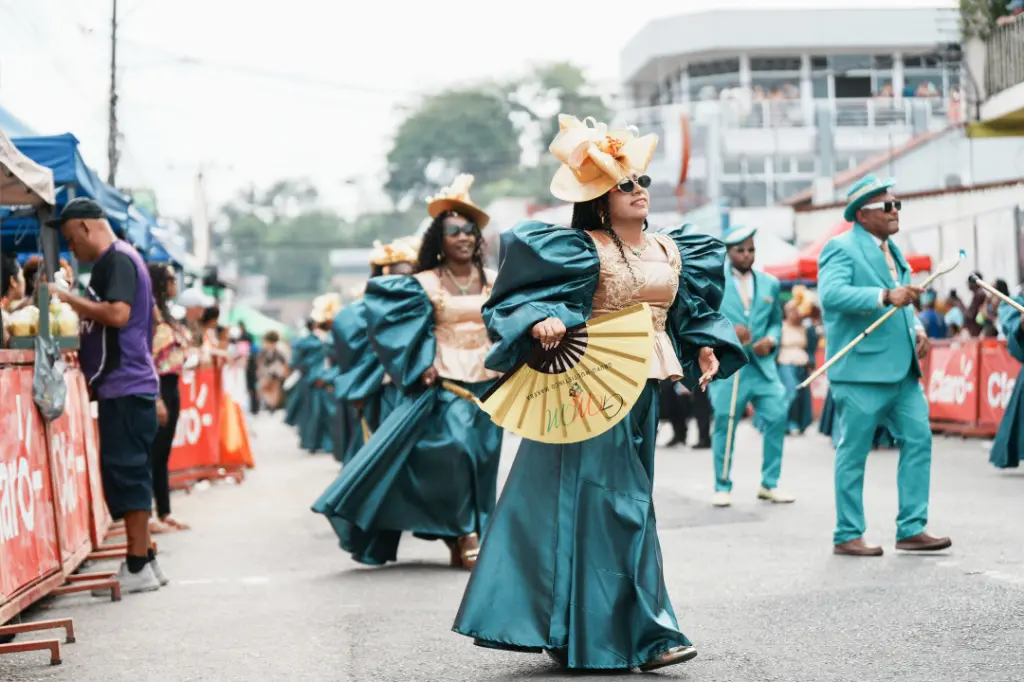
Traditional celebrations, music, horse parades, local food, and community festivals continue to be part of life throughout the province. One of the most important dates on the Guanacaste calendar is July 25, which commemorates the 1824 annexation of the Partido de Nicoya to Costa Rica. The Ministry of Culture and Youth recognizes the anniversary as an important part of Guanacaste’s historical and cultural identity.
This history is particularly noticeable outside the major tourist centers. Liberia, Santa Cruz, Nicoya, and smaller communities offer a window into the traditional side of the province.
At the same time, coastal Guanacaste has become increasingly international.
Communities such as Tamarindo, Flamingo, Potrero, Brasilito, Playa Grande, and Playas del Coco are home to residents and property owners from Costa Rica and many other countries. La Paz Community School, for example, notes that its students come from communities including Potrero, Flamingo, Brasilito, Playa Grande, and Tamarindo, reflecting the mix of local and international families living throughout the region.
This international influence can be seen in restaurants, businesses, services, real estate, and community organizations.
English is widely used in many of the more internationally oriented coastal communities, although learning Spanish remains extremely valuable. Even basic Spanish can make everyday interactions easier and help newcomers develop stronger relationships with neighbors, local businesses, and service providers.
The combination of local culture and international influence is one of Guanacaste’s defining characteristics.
A newcomer can enjoy a familiar level of international service while still having opportunities to experience traditional Costa Rican culture. For many residents, finding the right balance between the two is part of what makes the region appealing.
4. Family Life, Wellness and Education
Guanacaste has become an increasingly attractive option for families who want to combine a coastal lifestyle with access to education and everyday services.
For families moving full time, schools are naturally one of the most important considerations. The region is home to several private and international education options, including La Paz Community School, which operates two campuses in Guanacaste and provides bilingual PreK through Grade 12 education. The school is accredited by Costa Rica’s Ministry of Public Education and offers the International Baccalaureate Diploma Programme.

La Paz’s Cabo Velas campus is located near communities including Flamingo, Potrero, Brasilito, Playa Grande, and Tamarindo, making it relevant for families considering the northern and central coastal areas of Guanacaste.
The school also emphasizes experiential learning and community involvement, with students engaging with the local environment as part of their education.
Education is only one part of family life.
Parents also consider access to healthcare, grocery stores, restaurants, sports, activities, transportation, and other services. These factors can vary significantly between communities, which is why families planning a move should spend time in the areas they are considering rather than relying entirely on online descriptions.
Wellness is another major part of the Guanacaste lifestyle.
The natural environment makes outdoor exercise accessible. Residents can surf before work, walk along the beach, cycle through the countryside, practice yoga, swim, play tennis or pickleball, hike, or simply spend time outdoors.
The region’s wellness culture has also grown alongside its international population. Yoga studios, fitness centers, wellness retreats, healthy restaurants, and outdoor activities can be found in several of the established coastal communities.
For many people, this is one of the biggest lifestyle changes after moving to Costa Rica. Exercise and recreation become less structured around a weekly schedule and more integrated into daily life.
That does not mean Guanacaste is perfect for every family. Parents should carefully evaluate school locations, commuting distances, healthcare access, road conditions, internet service, and the availability of activities that are important to their children.
The best community is the one that fits the family’s actual routine.
5. The Practical Side of Living in Guanacaste
The relaxed atmosphere of Guanacaste should not be confused with a completely effortless lifestyle.
Anyone considering a permanent move or extended stay should understand some of the practical differences between life in Costa Rica and life in their home country.
One consideration is transportation.
Some coastal communities are walkable in their central areas, but many residents still rely on cars for groceries, school runs, appointments, work, and exploring neighboring communities. Road conditions also vary. During the rainy season, some unpaved or rural roads can become more difficult to navigate.
Access to specialized services is another consideration. Liberia is the provincial capital and an important service center, while larger coastal communities have developed their own collection of restaurants, grocery stores, medical services, shops, and other businesses.
Internet availability has also become increasingly important as more people work remotely. Buyers who intend to work from Costa Rica should verify internet service at the specific property rather than assuming that service available in the general community will be identical at every address.
Language matters as well.
It is possible to live in many coastal communities using primarily English, but learning Spanish can make a significant difference in everyday life. It helps with conversations with neighbors, contractors, municipal offices, service providers, and people outside the international tourism community.
Then there is the pace of getting things done.
Costa Rica can operate differently from countries where processes are highly standardized and immediate. Construction, repairs, government procedures, banking, and other administrative matters can sometimes take more time than newcomers expect.
This is one reason strong local relationships are valuable.
For homeowners, having trustworthy property managers, contractors, accountants, attorneys, and other professionals can make ownership much easier, particularly for people who live outside Costa Rica for part of the year.
The key is to approach the lifestyle with realistic expectations.
Guanacaste offers tremendous advantages, but successful relocation is usually easier when buyers understand both the benefits and the practical realities before making a commitment.
6. How the Lifestyle Connects to Guanacaste Real Estate
The real estate market in Guanacaste is closely tied to the lifestyle that attracts people to the region in the first place.
Buyers are not all looking for the same thing.
Some want a beachfront condominium that can serve as a vacation home and rental property. Others want a private villa with a pool and ocean views. Families may prefer a home in a community with convenient access to schools and services. Investors may focus on rental demand and property management. Retirees may prioritize single level living, walkability, healthcare access, and proximity to restaurants and beaches.
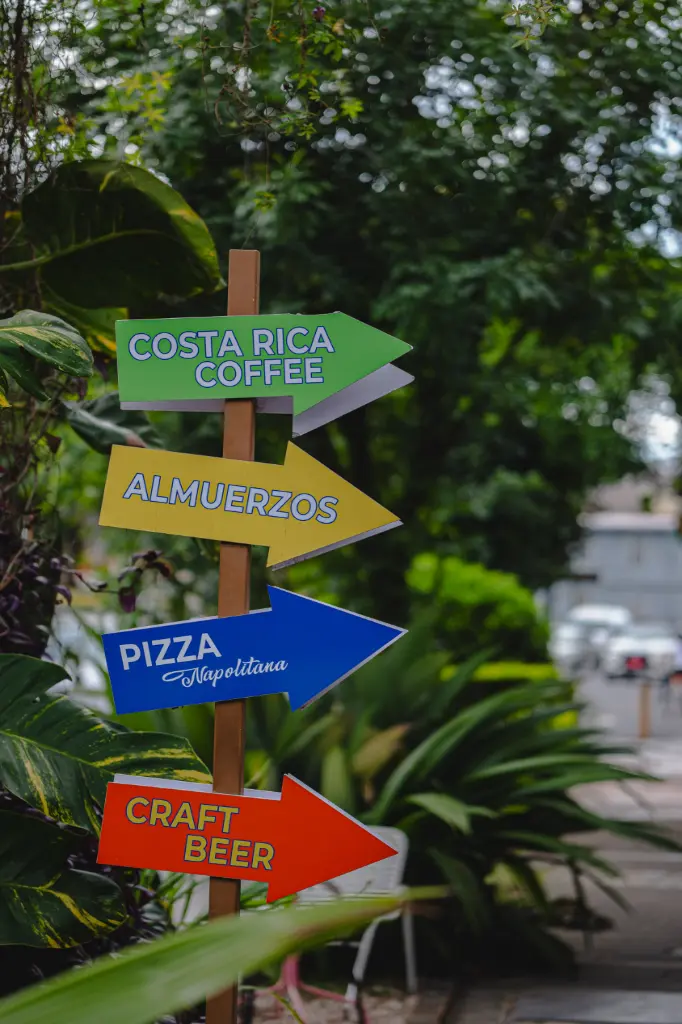
Understanding the lifestyle you want should therefore come before deciding what type of property to buy.
Playa Flamingo
For buyers who want a combination of beach living, boating, restaurants, and established infrastructure, Playa Flamingo can be an attractive choice. The Flamingo Marina has added another dimension to the community, while nearby beaches and residential developments offer a range of housing options.
Properties here can include condominiums, ocean view homes, luxury villas, and larger estates.
Tamarindo
Tamarindo offers a more active and developed coastal lifestyle. It has a larger selection of restaurants, shops, services, nightlife, and surf culture. The town’s established tourism industry also makes it an important market for vacation properties.
For buyers who want to be close to amenities and prefer a busier social environment, Tamarindo can be a strong fit.
Potrero
Potrero provides a quieter alternative while remaining close to some of Guanacaste’s most popular beaches.
The community has a strong residential component and offers access to local restaurants, grocery stores, services, and nearby beaches. It can appeal to families, retirees, and buyers looking for a more relaxed environment without being too far removed from the larger tourism centers.
Playa Grande
Playa Grande has a stronger connection to surfing and nature. Its location near Las Baulas National Marine Park gives it a distinct character, while the beach and surrounding landscape appeal to buyers who want a less developed coastal environment.
The real estate market includes homes, investment properties, and land, with individual properties requiring careful consideration of zoning, infrastructure, water, access, and environmental factors.
Playa Hermosa
Playa Hermosa offers another version of Guanacaste coastal living. The community is quieter than Tamarindo and provides access to the beaches and services of the Gulf of Papagayo region.
For buyers who want a residential beach community without the same level of activity found in Tamarindo, it can be worth exploring.
What Makes Guanacaste Real Estate Different?
One of the most important things to understand is that Guanacaste is not one uniform real estate market.
Prices, property types, rental demand, infrastructure, services, and buyer profiles can vary considerably from one community to another.
A property with an ocean view in a well established community may command a very different price from a larger property farther inland. Likewise, two homes at similar prices can have very different investment profiles depending on their location, construction quality, rental history, maintenance requirements, and proximity to amenities.
International buyers should also understand the difference between titled property and concession property.
Foreigners can generally own titled property in Costa Rica with the same ownership rights as Costa Rican citizens. However, property within the country’s Maritime Terrestrial Zone is subject to different rules, and concession property requires additional legal review.
This distinction is particularly important for buyers interested in beachfront or near beachfront property.
Before purchasing, buyers should work with a qualified Costa Rican attorney to verify title, liens, boundaries, zoning, permits, water availability, and other relevant aspects of the property.
A good real estate decision is not simply about finding a beautiful home.
It is about finding a property that fits your lifestyle, understanding the costs of ownership, and making sure the legal and practical foundations of the purchase are sound.
Final Thoughts: Is Guanacaste the Right Lifestyle for You?
Living in Guanacaste is ultimately about more than sunshine and beaches.
It is about how you spend your mornings, how often you get outside, how you connect with your community, and what you want your everyday life to look like.
For some people, that means surfing before breakfast and working from a terrace overlooking the ocean. For others, it means raising a family near the beach, spending weekends outdoors, and becoming part of a local community. For retirees, it may mean trading a colder climate and hectic routine for a more relaxed coastal lifestyle.
The region offers enough variety that there is no single definition of the Guanacaste experience.
Tamarindo can feel energetic and social. Potrero offers a quieter residential atmosphere. Playa Flamingo combines coastal living with boating and luxury real estate. Playa Grande appeals to surfers and nature lovers. Playa Hermosa provides another option for those looking for a more relaxed beach community.
That variety is also what makes Guanacaste real estate interesting.
The right property depends on what you want your life in Costa Rica to look like.
At Flamingo Beach Realty, we help buyers explore communities throughout Guanacaste and understand how different locations, property types, and price points align with their goals.
If you are considering a vacation home, retirement property, investment, or permanent move, the best place to start is by understanding the lifestyle you want and then finding the community and property that support it.
Explore Guanacaste real estate with Flamingo Beach Realty and discover what Pura Vida could look like for you.
Frequently Asked Questions About Living in Guanacaste
Is Guanacaste a good place to live in Costa Rica?
Guanacaste can be an excellent fit for people who enjoy warm weather, beaches, outdoor activities, and a strong mix of local and international communities. The best location depends on lifestyle priorities such as schools, services, beach access, privacy, and proximity to airports.
What is the weather like in Guanacaste?
Guanacaste has a pronounced dry season and rainy season. On Costa Rica’s Pacific side, the dry season generally runs from December through March, with April as a transition month. The rainy season generally runs from May through October, with November serving as another transition period.
Is Guanacaste good for families?
Yes. Families can find private and international education options, recreational activities, beaches, restaurants, and residential communities throughout the region. La Paz Community School, for example, operates two campuses in Guanacaste and offers bilingual PreK through Grade 12 education.
Can foreigners buy property in Guanacaste?
Yes. Foreigners can generally own titled property in Costa Rica with the same ownership rights as Costa Rican citizens. However, properties within the Maritime Terrestrial Zone can be subject to different rules, so beachfront purchases require careful legal review.
Which areas of Guanacaste are popular with international buyers?
Popular coastal markets include Tamarindo, Playa Flamingo, Potrero, Playa Grande, Brasilito, Playas del Coco, and Playa Hermosa. Each offers a different combination of beaches, amenities, community atmosphere, and real estate.
Is Guanacaste good for retirement?
Guanacaste can be attractive to retirees who want warm weather, outdoor recreation, beaches, and an active community. Retirees should also evaluate healthcare access, transportation, home maintenance, insurance, and proximity to essential services when choosing a location.
Is Guanacaste good for real estate investment?
Guanacaste has established tourism markets and a variety of properties that can appeal to investors. However, investment performance depends on the individual property, location, rental demand, management, operating expenses, purchase price, and seasonality. A property should be evaluated on its actual numbers rather than general assumptions about the market.
What should I consider before moving to Guanacaste?
Spend time in the specific community you are considering during different seasons if possible. Evaluate roads, internet, schools, healthcare, shopping, transportation, utilities, property maintenance, and access to services. Renting before buying can also help you determine whether a particular community fits your everyday lifestyle.