
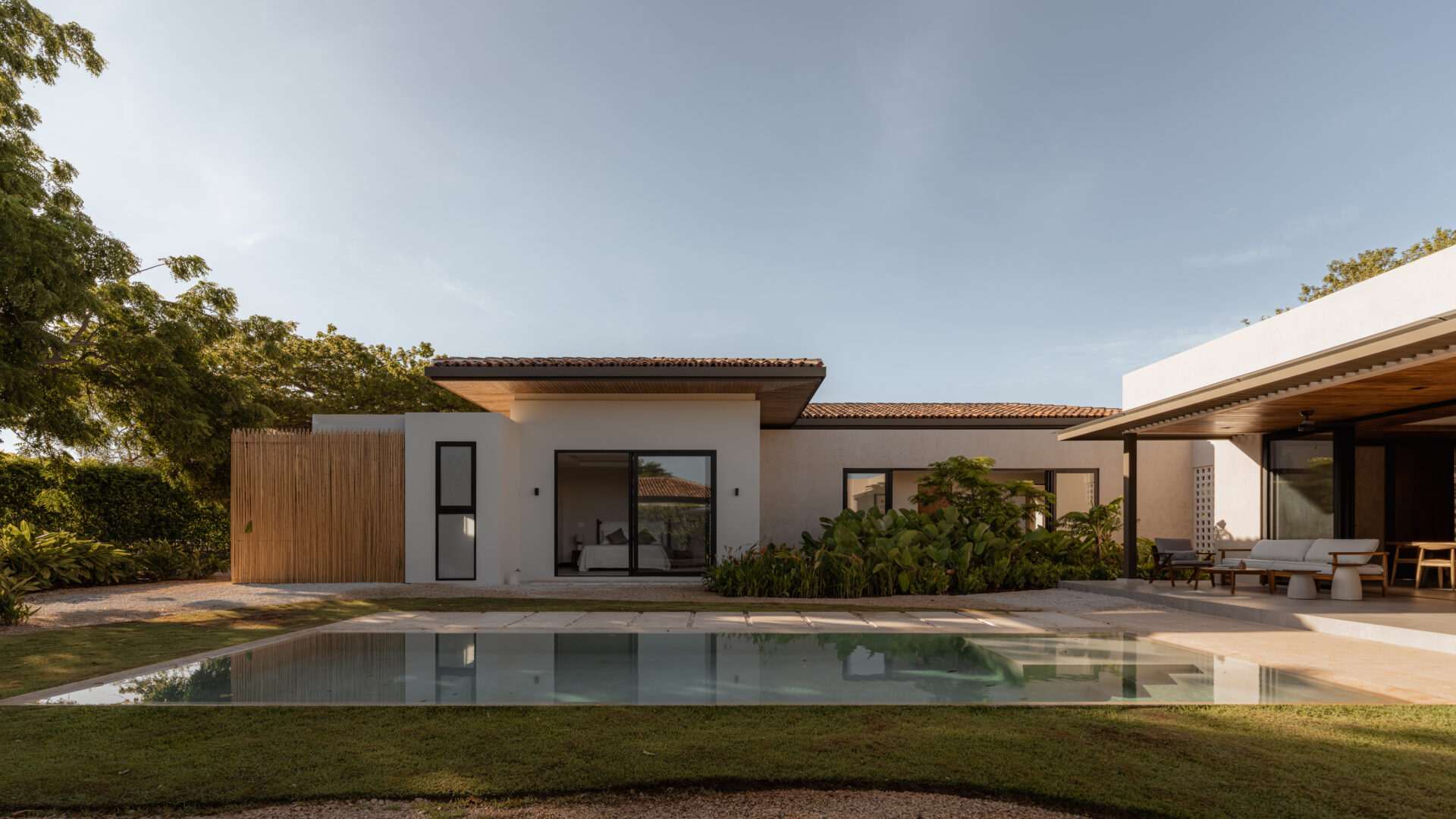
Costa Rica has become one of the world’s most desirable destinations for retirees, investors, digital nomads, and vacation home buyers. With its stable democracy, strong property rights, stunning beaches, and welcoming culture, many international buyers wonder:
Can a foreigner buy a house in Costa Rica?
The answer is yes. In fact, Costa Rica is one of the most foreign buyer friendly real estate markets in Latin America. Foreigners generally enjoy the same property ownership rights as Costa Rican citizens, making it relatively straightforward to purchase a home, condominium, lot, or investment property.
Table of Contents
- Can Foreigners Own Property in Costa Rica?
- What Types of Property Can Foreigners Buy?
- Understanding Maritime Zone Restrictions
- The Costa Rica Property Buying Process
- Benefits of Buying Real Estate in Costa Rica
- Frequently Asked Questions
Can Foreigners Own Property in Costa Rica?
Yes. Foreigners can legally own real estate in Costa Rica with virtually the same rights as Costa Rican citizens. You do not need residency, citizenship, or a special permit to purchase property.
International buyers can own property:
- In their personal name
- Through a Costa Rican corporation
- Through certain legal entities established for ownership and estate planning purposes
Costa Rica’s legal system provides strong protections for property owners, and all titled properties are recorded through the National Registry, creating a transparent ownership system.
This accessibility has helped make Costa Rica one of the leading destinations for foreign real estate investment in Central America.
What Types of Property Can Foreigners Buy?

Foreign buyers can purchase most types of real estate throughout Costa Rica, including:
Residential Properties
- Single family homes
- Luxury villas
- Beachfront residences
- Condominiums
- Townhomes
Land and Development Opportunities
- Residential lots
- Agricultural land
- Development parcels
- Mountain view properties
Investment and Commercial Properties
- Vacation rental homes
- Hotels and boutique resorts
- Commercial buildings
- Mixed use developments
Whether you’re looking for a retirement home, a vacation property, or an income generating investment, Costa Rica offers a wide range of opportunities.
Understanding Maritime Zone Restrictions

While foreigners can purchase most real estate in Costa Rica without restriction, there is one important exception: the Maritime Zone.
The Maritime Zone consists of land located within 200 meters of the mean high tide line along Costa Rica’s coastline.
How the Maritime Zone Works
The zone is divided into two sections:
Public Zone (First 50 Meters)
The first 50 meters from the high tide line is public land. This area cannot be privately owned by anyone.
Restricted Zone (Next 150 Meters)
The following 150 meters may be held through government concessions rather than traditional ownership.
In many concession properties:
- Foreigners who are not legal residents may face ownership restrictions.
- Additional legal requirements and municipal approvals may apply.
- Specialized legal review is essential before purchasing.
Because Maritime Zone regulations can be complex, buyers should always work with an experienced real estate attorney to verify ownership rights and concession status before proceeding.
The Costa Rica Property Buying Process
Buying property in Costa Rica is generally straightforward when working with qualified professionals.
1. Work with a Trusted Real Estate Agent
One of the most important steps when purchasing property in Costa Rica is partnering with a knowledgeable and experienced local real estate agent. A trusted professional can help you identify properties that match your goals, provide valuable market insights, negotiate favorable terms, and guide you through every stage of the buying process.
For buyers exploring opportunities in Guanacaste, Flamingo Beach Realty has been helping international clients navigate the Costa Rica real estate market for years. With extensive local knowledge, a deep understanding of the region’s communities, and a commitment to personalized service, the team can help simplify your property search and connect you with trusted attorneys, escrow providers, and other professionals needed for a successful transaction.
If you are searching for a vacation home, retirement residence, luxury beachfront property, or investment opportunity, working with a local expert can make the buying experience smoother, more efficient, and more secure.
2. Hire a Bilingual Real Estate Attorney
An attorney performs critical due diligence, including:
- Verifying title ownership
- Reviewing liens and encumbrances
- Confirming property boundaries
- Examining permits and legal compliance
In Costa Rica, attorneys often serve as the public notary responsible for preparing and recording the transaction.
3. Submit an Offer
Once you find the right property, you can submit a written offer outlining:
- Purchase price
- Deposit amount
- Due diligence period
- Closing timeline
4. Place Funds in Escrow
Many transactions utilize a secure escrow service to protect both buyer and seller during the transaction process.
5. Close the Transaction
The public notary prepares the transfer deed and completes the legal closing.
6. Register Ownership
The property transfer is recorded with Costa Rica’s National Registry, officially establishing ownership in your name or your corporation’s name.
Benefits of Buying Real Estate in Costa Rica
Strong Ownership Rights
Foreigners generally receive the same property ownership protections as Costa Rican citizens.
Attractive Property Taxes
Costa Rica’s annual property tax rate is typically 0.25% of the registered property value, which is significantly lower than many markets in North America and Europe.
Lifestyle and Natural Beauty
Costa Rica offers:
- World class beaches
- Tropical climate
- Rich biodiversity
- Outdoor recreation
- Excellent healthcare options
- Friendly communities
Investment Potential
Many buyers choose Costa Rica for:
- Vacation rental income
- Long term appreciation potential
- Retirement planning
- Diversification of international assets
Political Stability
Costa Rica has long been recognized as one of Latin America’s most stable democracies, making it attractive for international property ownership.
Frequently Asked Questions
Do I need residency to buy property in Costa Rica?
No. Foreigners can purchase property without becoming a resident.
Can I buy a beachfront home in Costa Rica?
Yes, but properties located within the Maritime Zone may have special ownership restrictions and concession requirements.
Can I own property through a corporation?
Yes. Many buyers choose to hold property through a Costa Rican corporation for estate planning or business purposes.
What are the annual property taxes in Costa Rica?
The standard property tax rate is generally 0.25% of the registered property value.
Is title insurance available?
Yes. Title insurance is available through select providers and is increasingly used by international buyers.
Is Costa Rica a good place to invest in real estate?
Many investors are attracted by Costa Rica’s tourism industry, lifestyle appeal, stable government, and strong international demand for vacation and retirement properties.
Looking to Buy Property in Costa Rica?
Whether you’re searching for a beachfront villa, luxury condominium, investment property, or retirement home, the team at Flamingo Beach Realty can help guide you through every step of the purchasing process.
From property searches and market insights to due diligence and closing support, we help international buyers navigate the Costa Rica real estate market with confidence.
Contact Flamingo Beach Realty today to begin your journey toward owning property in paradise.
Thinking About Selling?
If you currently own property in Guanacaste and are considering selling, our experienced team offers professional marketing, local expertise, and global exposure to help maximize your property’s visibility and value.
Contact us today to learn more about listing your Costa Rica property.